Why Europe has the dream, but struggles to build freight-tech giants
Europe may have produced some of freight tech’s most ambitious start-ups, but building them into ...


CHRW: DEAL TIMEDHL: GO GREENDSV: BULLISH DSV: NOTE TO INVESTORSKO: TAX FIGHTDSV: STILL 'OVERWEIGHT'WTC: HAMMEREDWTC: MOUNTING TROUBLEWTC: ANOTHER DIFFICULT WEEK CHRW: NEW PRODUCT LAUNCHDSV: LEADING THE DROP
CHRW: DEAL TIMEDHL: GO GREENDSV: BULLISH DSV: NOTE TO INVESTORSKO: TAX FIGHTDSV: STILL 'OVERWEIGHT'WTC: HAMMEREDWTC: MOUNTING TROUBLEWTC: ANOTHER DIFFICULT WEEK CHRW: NEW PRODUCT LAUNCHDSV: LEADING THE DROP
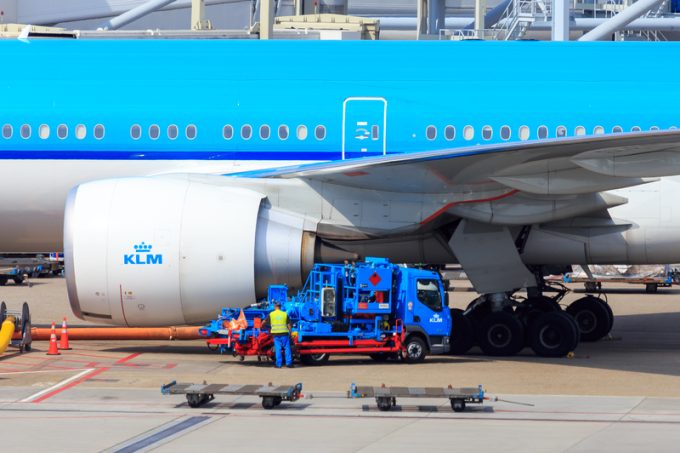
EU transport ministers met today to assess the impact of the Middle East crisis on the bloc’s transport sector, with jet fuel costs and availability high on the agenda – although no immediate statement has been issued at the time of publication.
The talks come amid growing concern that the market is shifting from a price shock to a potential supply issue, as disruption in the region continues to affect fuel flows and flight routings. Last week, Lufthansa CityLine shuttered operations owing to uneconomic routes.
Air France-KLM Martinair Cargo said it was “closely monitoring the dynamic situation in the Middle East”, adding that airspace restrictions and longer routings were increasing fuel burn, although its network remained “highly resilient”.
The carrier said it was “continuously optimising the balance across [its] fleet” to maintain efficiency, with demand “remaining steady”, despite wider volatility.
Airlines are being forced to absorb higher fuel consumption even as they seek to avoid more visible capacity cuts. Older widebody freighters, such as the B747, are particularly exposed to rising fuel prices, given their higher burn compared with newer-generation aircraft.
Martinair, part of the Air France-KLM group, operates four 747 freighters, while Magma Aviation, which operates three, said this week it was stepping up efforts to reduce fuel consumption through “operational optimisation”, having cut usage by more than 250,000kg last year.
On the passenger side, however, pressure is already feeding through into schedules.
KLM is set to cut around 80 return flights from its European network at Schiphol next month, citing soaring fuel costs that are making some short- and medium-haul routes uneconomic. While these cuts represent less than 1% of its European schedule, they highlight the growing pressure on carriers to protect yields as costs rise.
At the same time, industry groups are warning that the issue may extend beyond pricing. In a letter to Dutch policymakers, Air Cargo Netherlands (ACN) said the security of jet fuel supply had become “a major concern”, citing the sector’s structural dependence on imports from the Middle East, and calling for contingency planning to safeguard logistics flows.
The group also warned that Dutch aviation policy risked compounding these pressures. Proposed capacity limits at Schiphol, uncertainty over slot availability, and potential restrictions on night operations are already squeezing cargo operators, it said, leading to a displacement of traffic to competing hubs such as Liège, Frankfurt, and Brussels.
ACN added that without clearer policy support, cargo could be structurally pushed out of Schiphol over the long term, undermining both network connectivity and the wider economy.
It urged the government to “explicitly recognise” air freight as a strategic sector, protect night capacity critical to express operators, and ensure fuel supply resilience is built into national and European contingency planning.
The concerns reflect a broader tension emerging across Europe, where airlines are juggling rising fuel costs, operational disruption, and regulatory constraints, even as demand remains relatively stable.
While EU officials have so far insisted there is no immediate fuel shortage, the focus has shifted toward contingency planning and coordination measures. Energy commissioner Dan Jørgensen warned that “the situation will become quite serious”, as the bloc moves from concerns over fuel price to its availability.
Among the measures under discussion are a potential EU-wide jet fuel-sharing mechanism to avoid regional imbalances, as well as the possible coordinated release of fuel stocks if disruption persists.
The commission has also urged member states to prepare for a “potentially prolonged disruption” and to maximise refinery output, while avoiding national measures that could fragment supply across the bloc.
Inside the industry’s AI shift
Complete The Loadstar’s ‘State of AI in the Supply Chain’ survey — and receive the full report and data before release.

For uninterrupted access, sign in or sign up to The Daily News, Premium or The Loadstar Enterprise Plan.

Comment on this article