Air freight rates stay high, despite recovering capacity and easing fuel costs
Air freight rates remain stubbornly high, despite a steady recovery in capacity as airlines, forwarders, ...


CHRW: DEAL TIMEDHL: GO GREENDSV: BULLISH DSV: NOTE TO INVESTORSKO: TAX FIGHTDSV: STILL 'OVERWEIGHT'WTC: HAMMEREDWTC: MOUNTING TROUBLEWTC: ANOTHER DIFFICULT WEEK CHRW: NEW PRODUCT LAUNCHDSV: LEADING THE DROP
CHRW: DEAL TIMEDHL: GO GREENDSV: BULLISH DSV: NOTE TO INVESTORSKO: TAX FIGHTDSV: STILL 'OVERWEIGHT'WTC: HAMMEREDWTC: MOUNTING TROUBLEWTC: ANOTHER DIFFICULT WEEK CHRW: NEW PRODUCT LAUNCHDSV: LEADING THE DROP
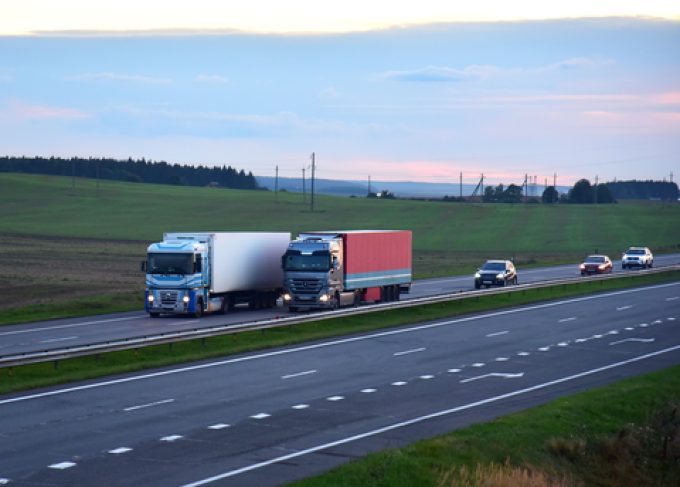
European players are set to enjoy an ecommerce-driven volume boost in the run-up to Black Friday and Cyber Monday, but haulage operators won’t reap the same benefit.
Maersk noted in its November update that Black Friday – a merchandising event now embracing the whole of November rather than just one day – offers retailers across Europe “one of the most intense and opportunity rich” periods of the year.
Indeed, according to Sendcloud shipping data, parcel volumes are set to surge by up to 72% across the continent during Black Friday week, before reaching their highest point on Cyber Monday.
“Many consumers traditionally wait for this to purchase electronics, fashion, and seasonal goods, putting an enormous pressure on last-mile networks,” warned Maersk.
“Peak season is a moment of truth for ecommerce.”
According to recent data from TAC Index, global air freight rates “surged again” last week, up 4.6%, as the market headed into the “height of the peak season period”.
Rates from ecommerce hubs China and Vietnam to Europe both up, and according to Rotate’s Live Capacity data base, air freight capacity from China to Europe was up 8% in the last 24h compared with the same period last week.
But Shruti Sasidharan, research analyst at Transport Intelligence (Ti) told The Loadstar that this boost won’t benefit European haulage companies in the same way other sectors might enjoy.
“In terms of demand, European cross-border ecommerce has been strong. But unlike other markets such as express and parcels and last mile which are seeing repeated strong growth rates thanks to ecommerce growth, there is no such boom for road freight,” she said.
Rather, Ms Sasidharan explained that the European road freight market growth relies largely on the speed of European economic growth, which “is always going to be in the low single digits”.
Indeed, in August 2025 the EU calendar adjusted retail sales index increased by a modest 1.1% year on year, and the Ti, Upply and IRU Q3 European road freight benchmark data indicated only a slight uptick in freight rates, reflecting the delicate balance between demand and capacity.
There is no official Eurostat breakdown of road freight by sales channel, so the amount of ecommerce carrier by hauliers is opaque. However, using EU tonne-kilometre data and market estimates for parcel and ecommerce logistics, ecommerce likely generates only a mid-single-digit share of total truck tonne-kilometres in Europe at around 3–7%.
“While ecommerce and international demand might support European road freight to some degree, the impact seems moderate. We believe that rates will not rise significantly, as spare capacity, rising costs, and regulatory pressures continue to limit upward pressure; however, this could change if supply tightens,” Ms Sasidharan continued.
“So, while overall retail volumes aren’t surging, there’s still some underlying activity-particularly in food and affordable fashion-that’s supporting freight volumes into Europe.
“Some of the apparent rise in logistics demand may also reflect frontloading ahead of the Black Friday and holiday season rather than a broad-based increase in consumer spending.”
Listen to the recent News in Brief podcast to catch up with all the recent supply-chain news!

For uninterrupted access, sign in or sign up to The Daily News, Premium or The Loadstar Enterprise Plan.

Comment on this article