A wave of container spot rate rises amid peak season and tight capacity
Peak season is now fully under way, after a week in which spot rates on ...


KNX: TIME TO SAY GOODBYEODFL: SET THE BAR HIGHBA: PIPELINEBA: SUPPLY CHAIN TESTAMZN: AI WAVESDHL: THE FRENCH CONNECTIONJBHT: MIND THE SPREADMAERSK: GAUGE THE UPSIDE DSV: UP AND DOWNCHRW: FIRST OF ITS KINDMFT: TAKING PROFIT
KNX: TIME TO SAY GOODBYEODFL: SET THE BAR HIGHBA: PIPELINEBA: SUPPLY CHAIN TESTAMZN: AI WAVESDHL: THE FRENCH CONNECTIONJBHT: MIND THE SPREADMAERSK: GAUGE THE UPSIDE DSV: UP AND DOWNCHRW: FIRST OF ITS KINDMFT: TAKING PROFIT
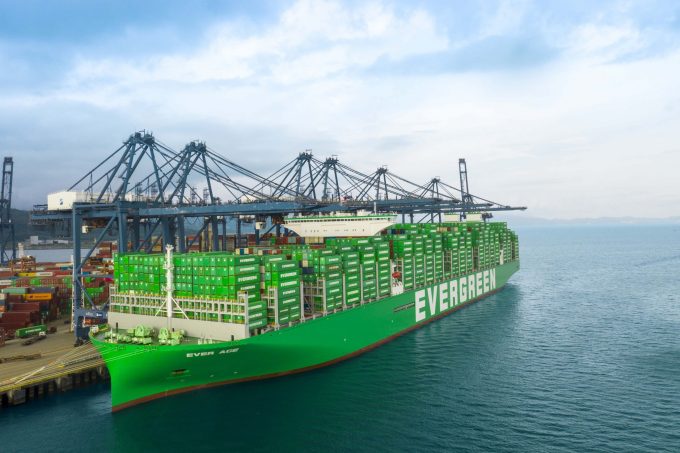
Evergreen is confident that growth in emerging markets like South America and intra-Asia will offset the disappointing peak season in the transpacific and Asia-Europe trades.
General manager Wu Kuang Hui said yesterday that although management was “cautiously optimistic”, there was little visibility into the outlook for 2026.
In the first half this year, Evergreen’s net profit was down 20% year on year, to $1.34bn, and he said: “We’re optimistic about market demand in South America and intra-Asia near-sea routes. Freight forwarding rights in these regions have been gradually reclaimed for internal operations, and investment in these regions has also been increased.
“After the national day holiday in China, cargo volume is expected to gradually recover, and market demand in the fourth quarter will not be too bad. As for market changes next year, it is still unclear,” he added.
Amid US-China trade tensions, global cargo volumes are shifting, Mr Wu pointed out.
“The ordering speed of US importers slowed, resulting in a decline in shipping volumes and freight rates between China and the US.
So far, the US economy has not shown any significant risk of a downturn – US demand for cargo is simply shifting, regardless of where manufacturers ship from, and containerships are not restricted to a single route, he noted.
“Shipping companies will provide services wherever there is demand,” he said, although he also accepted numerous factors were disrupting the shipping market.
“So far, geopolitical tensions in the Middle East have remained unchanged, and the continued detour of large global vessels around the Cape is unlikely to be avoided in the short term. Port congestion continues to disrupt market supply. In the Mediterranean and Europe, it continues to plague these regions.
“Shipping times from Shanghai and Ningbo to major European ports have lengthened, with waiting times approaching three days for entry from Shanghai. Many European ports are also experiencing congestion, primarily due to the increasing size of vessels and the inability of many terminal facilities to keep pace. This congestion is similar to last year’s.
“Furthermore, the global charter market remains quite active, currently at a historical high. Shipping companies are willing to charter vessels based on profitability, and their willingness to do so despite high rates indicates a profitable market,” he explained.

For uninterrupted access, sign in or sign up to The Daily News, Premium or The Loadstar Enterprise Plan.
Comment on this article