Maersk fined $1.9m for unfair D&D fees, with more carriers in the firing line
It has been a busy fortnight for the US Federal Maritime Commission (FMC), having slapped ...


WMT: VERTICAL INTEGRATION IN LOGISTICSJBHT: HERE WE GOPG: STEADYEXPD: NEW RECORD BA: DELIVERIESMAERSK: BEAR CAMP MUSINGSCHRW: HIGHER HIGHS ON THE RADARWTC: 'ONE RECORD'HLAG: EARNINGS GUIDANCE UPGRADE AAPL: GLOBAL SMARTPHONE SHIPMENTS VW: THE IMPACT VW: MASSIVE JOB CUTS CONFIRMEDEXPD: BULLISH
WMT: VERTICAL INTEGRATION IN LOGISTICSJBHT: HERE WE GOPG: STEADYEXPD: NEW RECORD BA: DELIVERIESMAERSK: BEAR CAMP MUSINGSCHRW: HIGHER HIGHS ON THE RADARWTC: 'ONE RECORD'HLAG: EARNINGS GUIDANCE UPGRADE AAPL: GLOBAL SMARTPHONE SHIPMENTS VW: THE IMPACT VW: MASSIVE JOB CUTS CONFIRMEDEXPD: BULLISH
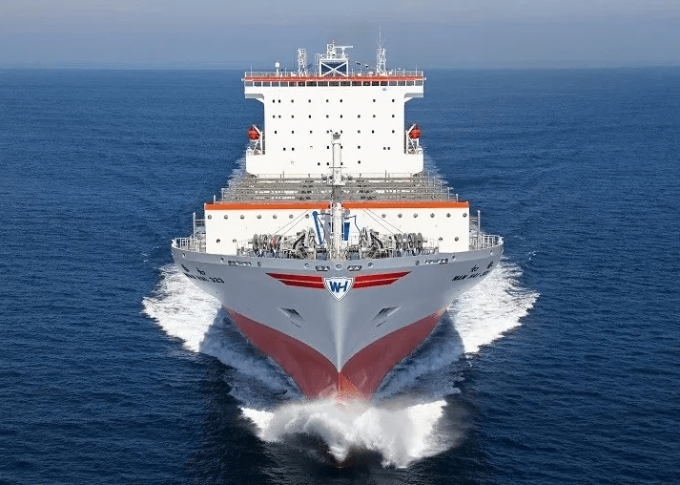
Wan Hai Lines is acquiring Terminal C9 in Japan’s Osaka port for $87m, aiming to consolidate its market share in the Japan-Taiwan routes.
Intra-Asia routes are the Taiwanese shipping line’s primary focus, and Wan Hai is said to be the largest container carrier on Japan-Taiwan routes, starting in the 1960s by transporting logs between Japan, Taiwan and Southeast Asia, before pivoting to container shipping in the 1970s.
The company’s market share in intra-Asia shipping is estimated at 15%.
Wan Hai operates seven services connecting Osaka to Taiwan, and believes its competitiveness will be boosted with a terminal asset in the western Japanese port.
In a Taiwan Stock Exchange filing on Thursday, Wan Hai said the acquisition of usage rights to the C9 container terminal and related facilities, from Kobe-Osaka International Ports, covered a land area of 129,959 sq metres. The terminal has a length of 350 metres and depth of 13m, capable of handling large containerships.
Osaka port authorities offer incentives for using the terminal, including a 50% reduction in entry fees for ocean-going containerships making multiple calls, and additional discounts for environment-friendly vessels.
It is only Wan Hai’s second terminal acquisition in Japan, coming nearly 23 years after the Taiwanese line began operating the Ohi Container Terminal 5 in Tokyo. These complement Wan Hai’s terminals in Taiwan’s Kaohsiung and Taichung ports.
Flush with cash after years of profits following Covid and the Red Sea crisis, shipping lines have been investing in terminal assets to guarantee operational efficiency, secure berthing space, and manage operating costs
Wan Hai, which operates 28 intra-Asia routes, said: “Establishing our own berths and storage areas at key transhipment points allows us to obtain better operating rates and ensure the stability of shipping schedules.”
For uninterrupted access, sign in or sign up to The Daily News, Premium or The Loadstar Enterprise Plan.

Comment on this article