UP CEO Vena blasts rivals: mega-merger 'is enhancement of competition'
45 minutes to fill? No problem…

JBHT: STRONG TRADING UPDATE JBHT: CEO REMARKS WMT: VERTICAL INTEGRATION IN LOGISTICSJBHT: HERE WE GOPG: STEADYEXPD: NEW RECORD BA: DELIVERIESMAERSK: BEAR CAMP MUSINGSCHRW: HIGHER HIGHS ON THE RADARWTC: 'ONE RECORD'HLAG: EARNINGS GUIDANCE UPGRADE AAPL: GLOBAL SMARTPHONE SHIPMENTS VW: THE IMPACT
JBHT: STRONG TRADING UPDATE JBHT: CEO REMARKS WMT: VERTICAL INTEGRATION IN LOGISTICSJBHT: HERE WE GOPG: STEADYEXPD: NEW RECORD BA: DELIVERIESMAERSK: BEAR CAMP MUSINGSCHRW: HIGHER HIGHS ON THE RADARWTC: 'ONE RECORD'HLAG: EARNINGS GUIDANCE UPGRADE AAPL: GLOBAL SMARTPHONE SHIPMENTS VW: THE IMPACT
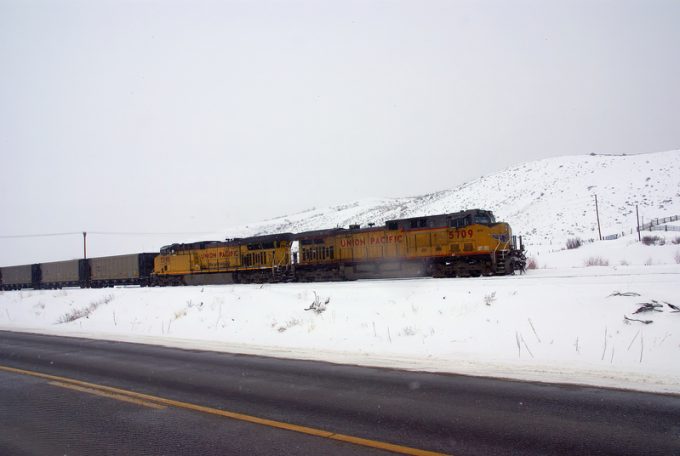
After US unions and politicians, now the competition is getting attacks in against the looming Union Pacific-Norfolk Southern railway merger.
BNSF, Canadian Pacific Kansas City (CPKC), Canadian National (CN), and CSX claim the merger filing has serious omissions.
In separate, but broadly aligned, filings with the US Surface Transportation Board (STB), the Class 1 operators urge rejection of the merger on the basis the filing was incomplete – CPKC’s letter points to four areas with insufficient supporting data.
“First, they have not supplied the STB or interested parties with data that allegedly support the core set of claims upon which the entire application is predicated: that the merger ‘will convert more than 2m truckloads of traffic from long-haul trucking to rail’,” wrote CPKC.
It noted UP’s truck diversion claim relied on data from Transearch and DAT Freight & Analytics, neither of which was supplied, despite STB rules requiring data be made available with the application so analysis can be “appropriately” tested.
Further to which, CPKC asserts, the merger agreement “brazenly” withheld “two key pages” on the conditions of the tie-up, suggesting that these included the applicants’ own “assessment of the scope of the anticompetitive harms their proposed merger would cause”.
Additionally, it claims UP negated the obligation to provide “any serious analysis of the downstream effects” of the merger and neglected to show all but a minimal assessment of the tie-up’s impact on the competition.
Offering their own assessment, lawyers for BNSF stated that the merger filing “only superficially grapples with the serious issues the proposed merger creates for shippers, American businesses, the rail industry, and the American economy”.
UP has been swift to reject the claims of its competitors, filing a response with the STB urging the board to “reject the efforts of a few parties” to delay and prolong the merger.
“The application demonstrates that the proposed transaction presents an unprecedented opportunity to drive growth, enhance competition, and create a more accessible, sustainable, and lower cost supply chain option to benefit American business and consumers,” it said.
What this latest intervention means for the deal remains to be seen, but it marks the latest kink in the tracks following opposition to the deal from Republican state attorneys general, warning it threatened “America First”, and a number of unions.
One person committed to seeing the merger over the line is President Trump, whose support is exemplified by his decision to remove Robert Primus from the STB after he expressed opposition to further railroad consolidation.
Should they pull it off, the NS-UP merger would be the largest in railroad history; certainly shareholders seen keen on the deal, with 99% backing the move to create the US’s first coast-to-coast transcontinental railroad – but any deal is not expected to close until at least 2027.
For uninterrupted access, sign in or sign up to The Daily News, Premium or The Loadstar Enterprise Plan.

Comment on this article