Ocean capacity is rising, demand is cooling, and 'the market is starting to turn'
Container spot freight rates on the main east-west ocean trades showed their first decline since ...


JBHT: NEW HIGHS EVERYWHEREPLD: STRONG DELIVERYJBHT: FAIR-VALUE CONSENSUS ESTIMATE AT ALL-TIME HIGH KNIN: AI TECH ADVANTAGEPLD: TRADING UPDATE ON THE WAY KNIN: UPSIDEJBHT: STRONG TRADING UPDATE DSV: EVERY LITTLE HELPSJBHT: CEO REMARKS WMT: VERTICAL INTEGRATION IN LOGISTICS
JBHT: NEW HIGHS EVERYWHEREPLD: STRONG DELIVERYJBHT: FAIR-VALUE CONSENSUS ESTIMATE AT ALL-TIME HIGH KNIN: AI TECH ADVANTAGEPLD: TRADING UPDATE ON THE WAY KNIN: UPSIDEJBHT: STRONG TRADING UPDATE DSV: EVERY LITTLE HELPSJBHT: CEO REMARKS WMT: VERTICAL INTEGRATION IN LOGISTICS
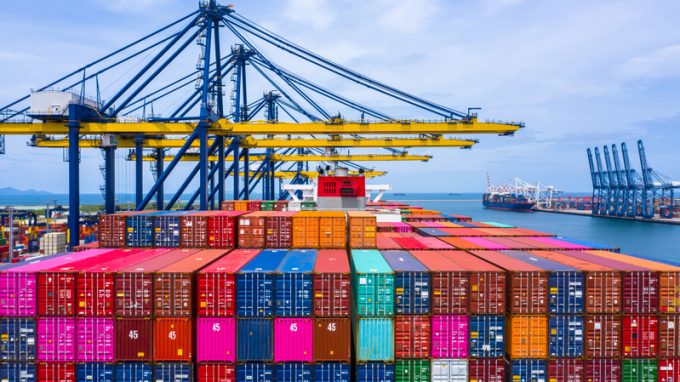
The growing wave of vessel-building at shipyards is setting the stage for a significant market correction in the years ahead, according to recent analysis from Braemar.
“If 2025 demonstrated how quickly supply can tighten, the period ahead will test how effectively the industry manages its inevitable reversal,” said Jonathan Roach, its container market analyst.
Braemar data indicate that the global cellular container fleet is projected to reach 32.5m teu by the end of this year, representing annual growth of around 7%, following the even stronger 10% expansion in 2024.
While scheduled deliveries are expected to slow temporarily in 2026, with just 1.6m teu due and easing net fleet growth to 3.5% to 4%, this is likely to be a short-lived lull.
“This represents a temporary slowdown before a substantial wave of newbuilding orders, placed during the recent ordering surge, begins to influence the market,” warned Braemar.
Between 2026 and 2028, it forecasts average annual net fleet growth of around 7.5%, peaking at 10.8% in 2028, marking “one of the most significant multi-year additions to global capacity in recent history”.
The analyst explained that ordering activity had remained strong throughout the year, particularly in the feeder, regional trader, and mid-size segments. A tight charter market and “intense competition” for second-hand vessels had also pushed operators toward newbuildings to securing more capacity.
But, at the same time, demolition activity has been virtually absent.
Only 11 box ships have been recycled this year, the fewest since the Covid-related anomaly of 2022, and, excluding that year, the slowest pace since 2005.
Mr Roach said scrapping historically responded quickly “to earning conditions”, ranging from 660,000 teu in the 2016 peak to just 3,000 teu in 2022.
And he forecast: “The beginnings of a demo reversal is expected in 2026.”
As freight rates and asset values fall back toward long-term averages, a large pool of aging vessels – particularly sub-panamax tonnage – will become “ample candidates” for recycling, believes the analyst.
Some 1,200 ships below 4,000 teu and more than 400 panamax and post-panamax vessels are already more than 20 years old, paving the way for a sharp rise in demolition that Braemar expects to peak in 2028.
It concluded that the early stages of a market correction must emerge next year, which will likely be a transitional one, marked by normalising vessel deployment, softer trade growth, and the initial uptick in scrapping.
But the most acute challenge lies in 2027 and 2028, it added, when the bulk of the newbuilding orders enter service.
Without active capacity management by carriers – slow-steaming, idling, demolition, or blank sailings – this fleet growth will be unsustainable, relative to expected demand.
Proactive capacity management, Mr Roach urged, would be “essential” in order to stabilise earnings and maintain market balance.
For uninterrupted access, sign in or sign up to The Daily News, Premium or The Loadstar Enterprise Plan.

Comment on this article