Transpacific the top earner as a strong Q2 boosts OOCL revenue
OOCL’s second-quarter trading update has reinforced signs of a stronger-than-expected container shipping market, the carrier ...

PLD: PROPOSAL DETAILSPLD: FINAL OFFERDSV: ROAD CEO MATTERSDSV: VOLUME PROGRESSION IN SEA FREIGHT DSV: TIME TO INCREASE THE VOLUMES IN SEA FREIGHTDSV: HEADCOUNT DISCREPANCIESDSV: TRASHEDDSV: IT IS A MATTER OF TRUSTDSV: FREE CASH FLOW QUESTIONEDDSV: QUESTION TIMEDSV: CEO ON SCHENKER INTEGRATIONDSV: CFO PREPARED REMARKSDSV: CEO PREPARED REMARKSDSV: CONF CALL FWRD: SHOOTING UPKNX: TRADING UPDATE ON THE WAY GM: TRADING UPDATE OUTUPS: REMEMBER THE TAILWINDS
PLD: PROPOSAL DETAILSPLD: FINAL OFFERDSV: ROAD CEO MATTERSDSV: VOLUME PROGRESSION IN SEA FREIGHT DSV: TIME TO INCREASE THE VOLUMES IN SEA FREIGHTDSV: HEADCOUNT DISCREPANCIESDSV: TRASHEDDSV: IT IS A MATTER OF TRUSTDSV: FREE CASH FLOW QUESTIONEDDSV: QUESTION TIMEDSV: CEO ON SCHENKER INTEGRATIONDSV: CFO PREPARED REMARKSDSV: CEO PREPARED REMARKSDSV: CONF CALL FWRD: SHOOTING UPKNX: TRADING UPDATE ON THE WAY GM: TRADING UPDATE OUTUPS: REMEMBER THE TAILWINDS
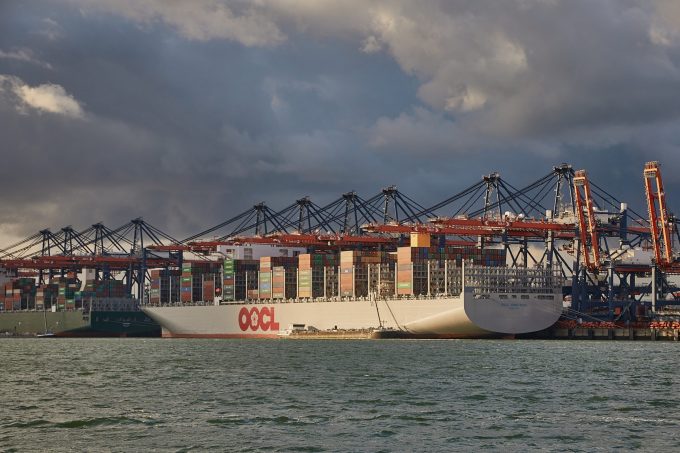
Elevated freight rates over the course of last year nearly doubled Hong Kong-based Cosco subsidiary OOCL profits, according to the firm’s financial results released today.
The carrier saw revenues grow some 25%, to $10.7bn, for the year, compared with the $8.3bn it earned in 2023, while operating profit came in at $2.6bn in 2024, compared with the $1.4bn profit the year before.
However, its volumes and capacity were pretty static year on year: it carried a total of 7.59m teu, a 3% increase on 2023, and half the rate of the global volume growth of circa-6%, suggesting the carrier lost market share over the year.
Meanwhile, its shipping capacity grew incrementally, from 965,000 teu to 986,000 teu, a rise of just 2%.
“In 2024, we took delivery of six 24,188 teu and one 16,828 teu self-owned new containerships. Furthermore, we chartered-in six 13,000 teu series brand new container vessels… the first ones will begin operating earliest in 2026.
“These ships have good navigational capabilities and can be flexibly deployed to different routes.
“At a time when the shipyard orders are so full, this charter can ensure OOCL’s fleet size will further grow, to seize development opportunities, and add flexibility to future capacity adjustments,” the company said.
And turning to the year ahead, the line said its “dual-brand strategy”, with parent Cosco, had left it “well prepared to embrace opportunities and respond to challenges with highly efficient vessel utilisation and excellent cost control”.
It added that the impact on container supply chains from the current alliance reshuffle had not been fully felt.
“These factors do not exist or function independently, they are interactively intertwined, adding to the complexity of the shipping market.
“The dynamics of the situation continue to evolve. There are signs of de-escalation of the situation in the Red Sea, where the potential resumption of passage through the Suez Canal will release capacity and lead to the rather normal levels in freight rates.
“The US administration unravels its new policies impacting the global economy and supply chain in the short and long run. These impacts may be different, but their effects should not be underestimated.
“The reshaping of the global supply chain will undoubtedly affect the container shipping market in the long term,” it said.
For uninterrupted access, sign in or sign up to The Daily News, Premium or The Loadstar Enterprise Plan.
Comment on this article