Tariff refund bandwagon rolls on, but SMEs struggling
US Customs officials have accepted more than 70% of the applications for refunds related to ...

PLD: TRADING UPDATE ON THE WAY KNIN: UPSIDEJBHT: STRONG TRADING UPDATE DSV: EVERY LITTLE HELPSJBHT: CEO REMARKS WMT: VERTICAL INTEGRATION IN LOGISTICSJBHT: HERE WE GOPG: STEADYEXPD: NEW RECORD BA: DELIVERIESMAERSK: BEAR CAMP MUSINGS
PLD: TRADING UPDATE ON THE WAY KNIN: UPSIDEJBHT: STRONG TRADING UPDATE DSV: EVERY LITTLE HELPSJBHT: CEO REMARKS WMT: VERTICAL INTEGRATION IN LOGISTICSJBHT: HERE WE GOPG: STEADYEXPD: NEW RECORD BA: DELIVERIESMAERSK: BEAR CAMP MUSINGS
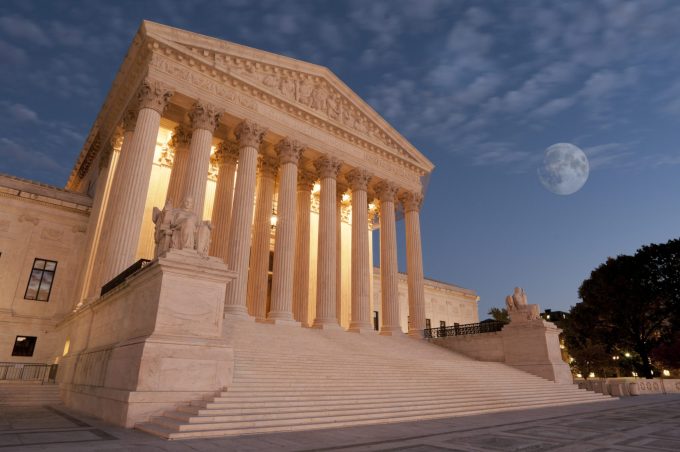
Some Christmas cheer for importers: the US Department of Justice (DOJ) has told the Court of International Trade (CIT) that the Trump administration will not stand in the way of tariff refunds should the Supreme Court rule the tariffs illegal.
Responding to an importer request for the CIT to impose a preliminary injunction on Customs and Border Protection’s (CBP) liquidation of tariffs on the basis it is seeking to rush through the process to avoid refunds, the DOJ said this was not the case.
“CBP, CBP commissioner Rodney Scott, and the US have repeatedly assured plaintiffs and the court they will not oppose or object to court authority to order re-liquidation of plaintiffs’ subject entries of merchandise,” it argued.
Further to which, the DOJ noted, the administration would not obstruct a decision from the court to order the “re-liquidation” of entries, “should the Supreme Court hold the IEEPA [International Emergency Economic Powers Act] duties at issue unlawful”.
Based on the declared value and applicable duty rates for each shipment at the time of entry, liquidation is a process CBP undertakes to finalise the duties, fees, and taxes owed on imported goods, a determination all but binding.
While the process typically takes around 10 months, it is possible for the CBP to reach its determination within weeks, with several cases having been brought before the CIT to impede the liquidation process.
Pete Mento, director of global trade advisory services at Baker Tilly, said: “Stated more plainly, the DOJ is signalling that if the Supreme Court strikes down the IEEPA tariffs, it will not object to the court ordering refunds through re-liquidation.
“This is consistent with representations DOJ has already made in the cases currently pending before the Supreme Court, where it has effectively conceded that a plaintiff victory would entitle those importers to refunds of the duties they paid.”
However, Mr Mento said, it was “equally important” to take note of what the DOJ’s position implied: those seeking refunds “may need to go to the CIT and affirmatively seek an order directing re-liquidation”.
“DOJ is carefully saying it would not object to the court’s authority to order re-liquidation, not that the administration intends to establish a broad, administrative refund programme on its own,” he continued.
“So, it’s looking more and more that you’re going to have to go both paths – litigation and administrative. More work, but better results. If the Supreme Court agrees with the lower courts.”
However, Mr Mento was keen to warn importers that even if the Supreme Court did rule against its use of IEEPA, the government had a range of mechanisms to impose tariffs, suggesting they could reach as high as $300bn in value.
Check out today’s News in Brief podcast, now on video and audio!
Week 50 2025 | Zim’s pressure, AI in air freight, pricing vs demand
For uninterrupted access, sign in or sign up to The Daily News, Premium or The Loadstar Enterprise Plan.
Comment on this article