End of de minimis could prove a boost for high-flyer Glasgow Prestwick
Having “huge” real estate has left Glasgow Prestwick Airport fortuitously positioned, following the EU termination ...


WTC: 'ONE RECORD'HLAG: EARNINGS GUIDANCE UPGRADE AAPL: GLOBAL SMARTPHONE SHIPMENTS VW: THE IMPACT VW: MASSIVE JOB CUTS CONFIRMEDEXPD: BULLISHCHRW: POSITIONING AHEAD OF EARNINGSAMZN: IN THE NUMBERSAMZN: PEOPLE MATTER UNTILVW: THE LAST CUT IS THE DEEPESTJBHT: GEARING UP VW: BUYING TIMER: BIG VOTE OF CONFIDENCEAAPL: BEARISH HEDGEYE
WTC: 'ONE RECORD'HLAG: EARNINGS GUIDANCE UPGRADE AAPL: GLOBAL SMARTPHONE SHIPMENTS VW: THE IMPACT VW: MASSIVE JOB CUTS CONFIRMEDEXPD: BULLISHCHRW: POSITIONING AHEAD OF EARNINGSAMZN: IN THE NUMBERSAMZN: PEOPLE MATTER UNTILVW: THE LAST CUT IS THE DEEPESTJBHT: GEARING UP VW: BUYING TIMER: BIG VOTE OF CONFIDENCEAAPL: BEARISH HEDGEYE
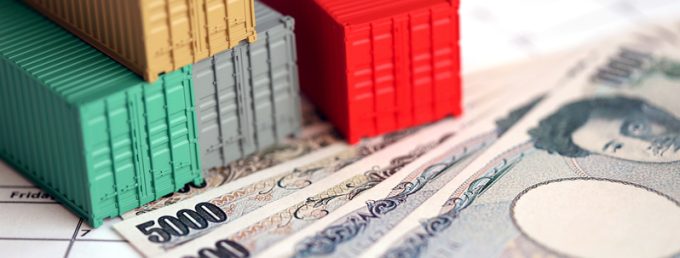
Japan has bucked a global trend, granting de minimis exemptions to seaborne South Korean imports, if these have a taxable value of JPY 10,000 ($68) or less.
Japan is South Korea’s largest export market for goods sold through ecommerce, and accounts for 30% of South Korea’s ecommerce overseas sales. South Korea exported $1.04bn of products via ecommerce to Japan in 2024, up from $796m in 2021.
Japan already had de minimis exemptions, but this applied only to air freight.
The development has been welcomed by South Korean exporters as it reduces seaborne logistics costs and will make their shipments more competitive. Last week, Japanese customs officer Tetsuya Yamanaka announced the policy decision to their South Korean counterparts. Also present at the briefing were South Korean 3PL companies CJ Logistics, LX Pantos, Sejung Shipping and eBay Japan.
The Korea Ocean Business Corporation’s Container Composite Index assesses the South Korea-Japan freight rate at $219 per teu, which has remained steady for the past month.
Korea Customs’ statistics show that cosmetics are the most highly exported products to Japan, followed by medical products, food items and electronics.
Korea Customs director Kim Jung said: “The briefing was a meaningful opportunity to enhance exporters’ understanding of the changes in Japan’s customs clearance and they can benefit from the changes.”
On the other hand, Japan’s finance ministry is reviewing the de minimis threshold for Chinese imports to protect local retailers. The Japanese government is concerned that Chinese ecommerce retailers like Shein and Temu are using de minimis exemptions to price out Japanese retailers, a concern felt by governments the world over.
In May, the ministry said it is considering removing the de minimis exemption on Chinese goods with a taxable value of $68 and less. Chinese ecommerce companies could also be obliged to register for Japanese value-added tax. These changes will be finalised as part of Japan’s 2026 tax reforms.
For uninterrupted access, sign in or sign up to The Daily News, Premium or The Loadstar Enterprise Plan.

Comment on this article