US tariff switch leaves importers puzzled in a complex new trade landscape
The US today replaced its temporary Section 122 import surcharge with a new Section 301 ...

UPS: EARNINGS BEATWTC: REGAINING PRIDE TFII: EARNINGS BEATCHRW: PUMMELED DSV: LACK OF TRUST WEIGHSDHL: NEW HIGH DHL: E-COMM DEAL SIGNEDF: NEW PROFIT STREAMCHRW: HEALTHY CORRECTIONDSV: TIME TO BUY INWTC: NO LUCKCHRW: 'NUCLEAR VERDICT'
UPS: EARNINGS BEATWTC: REGAINING PRIDE TFII: EARNINGS BEATCHRW: PUMMELED DSV: LACK OF TRUST WEIGHSDHL: NEW HIGH DHL: E-COMM DEAL SIGNEDF: NEW PROFIT STREAMCHRW: HEALTHY CORRECTIONDSV: TIME TO BUY INWTC: NO LUCKCHRW: 'NUCLEAR VERDICT'
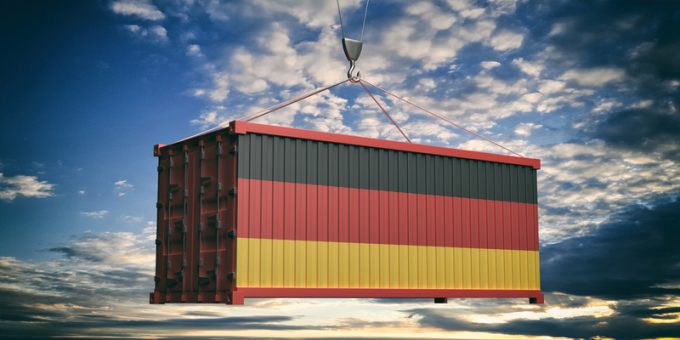
Economic stagnation in Germany – Europe’s industrial and manufacturing powerhouse – and the prospect of a shallow recession continuing in 2024 is reflected in the largely subdued mood in the country’s freight transport and logistics sector.
An indication of the current unrest, the past week or so has seen protests by German road haulage firms and farmers over a government decision to cut subsidies and tax breaks on diesel for trucks and agricultural vehicles.
A survey of around 80 freight transport and logistics firms by management consultancy SCI Verkehr found business sentiment to be a mixture of “uncertainty and ambivalence”.
While a slight majority of respondents (55%) expect business activity to be more favourable, or at least stable, this year, the remaining 45% expect it to deteriorate.
Further hikes in operating costs are anticipated this year, with 55% of companies surveyed looking to respond by pushing through rate increases. However, 36% do not see any possibility of this in 2024. And while rate reductions are not expected in the coming quarter, 9% of respondents say they cannot rule out taking such a move during the course of the year.
Subdued economic expectations, anticipated cost increases and a generally challenging market environment are also reflected in companies’ HR policies: over half of the firms surveyed (56%) expect their company’s workforce to shrink this year.
Only around one in ten anticipate they will be able to increase their payroll, while 33% expect employment levels to be unchanged.
“However, these figures are not only the result of the general economic conditions, they also reflect the worsening shortage of skilled labour, a lack of suitable applicants and staff migration to other sectors,” SCI Verkehr underlined.
“Since the invasion of Ukraine in 2022, the logistics industry has been under manifold, sustained pressure and has therefore been unable to build on the comparatively positive mood that business leaders had regained after the first pandemic crisis,” it added.

For uninterrupted access, sign in or sign up to The Daily News, Premium or The Loadstar Enterprise Plan.
Comment on this article