DCSA unveils unified API for real-time container VGM data exchange
Many players across the container supply chain “intend to move quickly” to adopt the Digital ...

WTC: NO LUCKCHRW: 'NUCLEAR VERDICT'DSV: DEEP CUTKNIN: UPGRADEDKNIN: AI BENEFITSKNIN: NOT WORTH ITPLD: DEAL TIMEKNIN: CONF CALL CLOSING KNIN: PRICING POWER KNIN: MARKET SHARE GAINS IN ROAD KNIN: AI-RELATED COST INFLATION OUTLOOKKNIN: APEX LOGISTICS IPO UPDATEKNIN: QUESTION TIMEKNIN: 'COST REDUCTION PROGRAMME IS ON TRACK'KNIN: CFO REMARKSKNIN: MONETARY IMPACT FROM AI KNIN: AI UPSIDEKNIN: STRONG ROAD UNIT DELIVERY KNIN: AIR LOGISTICS SHINES
WTC: NO LUCKCHRW: 'NUCLEAR VERDICT'DSV: DEEP CUTKNIN: UPGRADEDKNIN: AI BENEFITSKNIN: NOT WORTH ITPLD: DEAL TIMEKNIN: CONF CALL CLOSING KNIN: PRICING POWER KNIN: MARKET SHARE GAINS IN ROAD KNIN: AI-RELATED COST INFLATION OUTLOOKKNIN: APEX LOGISTICS IPO UPDATEKNIN: QUESTION TIMEKNIN: 'COST REDUCTION PROGRAMME IS ON TRACK'KNIN: CFO REMARKSKNIN: MONETARY IMPACT FROM AI KNIN: AI UPSIDEKNIN: STRONG ROAD UNIT DELIVERY KNIN: AIR LOGISTICS SHINES
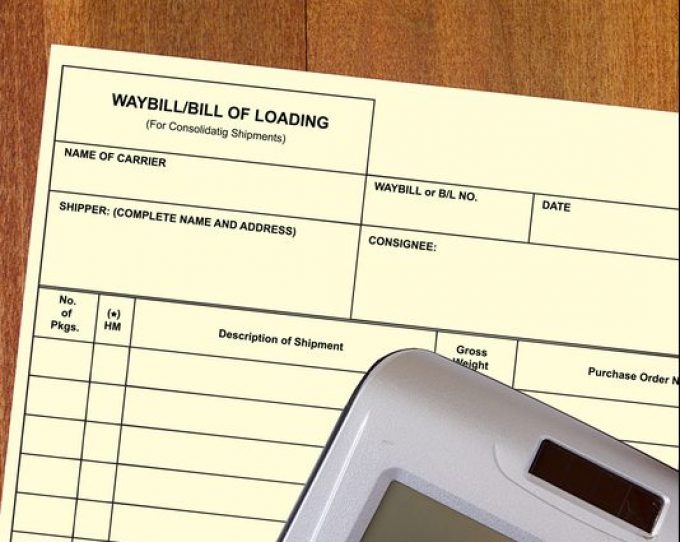
DCSA has garnered another win in its quest to standardise adoption of electronic bills of lading (eBLs), with the news that HMM is launching a new pilot study using its Booking and Bill of Lading standards – but will need yet more critical-mass before eBLs can be adopted across shipping.
Research by McKinsey suggests that some $6bn in stranded value, as much as $40bn in trade growth, and a significant reduction in carbon emissions could be unlocked if the industry could settle on a standardised eBL.
The Digital Container Shipping Association (DCSA) has worked to define a standardised digital document capable of pleasing all parties. HMM marked the first successful eBL transaction in May of this year, a milestone for DCSA, which provided the standardised framework forming the basis of HMM’s eBLs.
South Korea has been proactive in the adoption of eBLs, with the Korea Trade Network (KTNET), the Korean government’s national paperless trade platform, entering into partnership with DCSA last month. Global shipping business network (GSBN), the Hong Kong-based platform, also made the decision, in February, to incorporate the DCSA standards.
HMM said that the technology has helped to streamline operations, improving speed, accuracy and reliability of bookings and updates to documentation. During the pilot, the stakeholders were able to smooth inconsistencies in carrier messages and definitions, and delays in shared updates such as time of arrival.
“The DCSA Conformance system proved valuable in verifying that carrier-developed APIs functioned correctly,” said John Kim, senior manager of Digital at HMM. “From this, HMM recognised that collaboration beyond conformance was essential. Conducting pilots between parties that had passed the conformance test became a practical way to advance toward a standardised digital environment.”
But The Loadstar hears that a lack of standardisation and interoperability is still hampering eBL adoption throughout the industry. DCSA, a carrier-aligned nonprofit, aims to avoid a ‘platform lock-in’ situation in which supply chain stakeholders are forced to use – and pay for — a specific software platform in order to trade goods.
As is often the case, however, other organisations and jurisdictions have devised others, including CargoX, essDOCS, and edoxOnline, widely adopted in Latin America. These cultivate varying degrees of interoperability with DCSA’s standards.
“HMM’s pilots are a clear demonstration of why standardisation matters,” said Mariana Bock-Losada, chief growth officer DCSA. “By adopting DCSA-conformant Booking and Bill of Lading APIs, HMM has shown that once a carrier implements the standard, any counterpart that has done the same can connect directly, without the need for custom integrations. This is how standardisation turns digital collaboration from a costly one-to-one exercise into a scalable, industry-wide capability.”
For uninterrupted access, sign in or sign up to The Daily News, Premium or The Loadstar Enterprise Plan.
Comment on this article