A new era for shippers, with blanked sailings now a fact of life
Container shipping has entered a new era of structurally constrained capacity, as carriers routinely withdraw ...

GM: TRADING UPDATE OUTUPS: REMEMBER THE TAILWINDS PLD: NEW RELEASEPLD: OUCHVW: NEW PARTNERS SOUGHTEXPD: AIRCRAFT ON GROUND SERVICESTSLA: JUST AS VW STRUGGLESBA: NEW BIG ORDERBA: THE ORDERBOOK GROWSPLD: PUSHING FOR A DEAL PLD: TIME TO DEALEXPD: ANOTHER ALL-TIME HIGH CHRW: NEW RECORD DSV: AHEAD OF EARNINGS RELEASE JBHT: NEW HIGHS EVERYWHERE
GM: TRADING UPDATE OUTUPS: REMEMBER THE TAILWINDS PLD: NEW RELEASEPLD: OUCHVW: NEW PARTNERS SOUGHTEXPD: AIRCRAFT ON GROUND SERVICESTSLA: JUST AS VW STRUGGLESBA: NEW BIG ORDERBA: THE ORDERBOOK GROWSPLD: PUSHING FOR A DEAL PLD: TIME TO DEALEXPD: ANOTHER ALL-TIME HIGH CHRW: NEW RECORD DSV: AHEAD OF EARNINGS RELEASE JBHT: NEW HIGHS EVERYWHERE
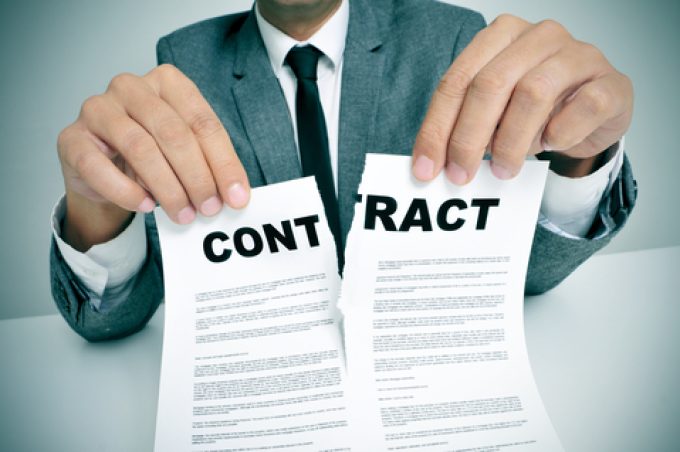
Shippers should be alert to the potential misuse of force majeure clauses by carriers they believe may be seeking to abandon cargo or reduce service obligations during the latest Middle East disruption.
James Hookham, director of the Global Shippers’ Forum, told The Loadstar cargo owners needed to pay close attention to how carriers invoked such contractual provisions.
“Shippers should be on the lookout for misuse of force majeure clauses by shipping lines to abandon cargo or service levels,” he warned, adding that the risk of military escalation in the region had been widely discussed.
“Military action in the region has been publicly talked about for at least six weeks,” he said.
Meanwhile, freight forwarders are already reporting that some transport providers have moved to suspend contractual guarantees. According to a Flexport update yesterday, “multiple major airlines” have invoked force majeure following the closure of regional airspace, and the escalation of security risks.
“Standard SLAs and transit time guarantees are currently suspended,” it said.
However, some legal experts argue that applying force majeure clauses to the disruption may not be as straightforward as some operators suggest.
Alison Cusack, founder and principal lawyer at Cusack & Co, told The Loadstar the term had recently been used “rather liberally” across the logistics sector.
“The force majeure clause has been thrown around more liberally than confetti at Times Square on New Year’s Eve,” she said.
“The contractual definition of force majeure has some key elements, namely unforeseen circumstances,” she said, and argued that the geopolitical instability affecting key maritime routes had been developing for well over a year.
“War-like behaviour between the countries and the retaliatory closing – effect, legal or otherwise – of the Strait of Hormuz is utterly predictable. The fact that it is predictable renders it foreseeable, therefore not unforeseeable,” she said.
“Since November 2023, Houthi forces have carried out over 190 attacks on commercial shipping in the Red Sea and Gulf of Aden, and the situation has only deepened since,” she noted.
“Here’s the problem with calling any of this force majeure: it’s been going on for well over a year. Force majeure is meant to cover ‘sudden, temporary, unforeseeable’ disruption, not a structural reordering of global trade routes.”
Indeed, she noted. the Cape of Good Hope diversion – once viewed as an emergency workaround – had now become embedded in commercial planning.
“When your ‘emergency workaround’ is written into standard contracts, it’s no longer an emergency. It’s the new normal, and these disruptions are being priced,” she said, pointing to the surge in spot rates and the widespread use of risk surcharges.
According to Ms Cusack, the industry’s operational adaptability may also undermine arguments for force majeure.
“You can’t simultaneously demonstrate operational adaptability – rerouting fleets, adjusting schedules, levying surcharges – and claim the situation was so overwhelming it excused your contractual obligations,” she said.
She noted that carriers already possessed other contractual tools that allowed them to alter voyages or discharge cargo at alternative ports without relying on force majeure provisions.
Ms Cusack advised: “For those looking to pull the trigger on force majeure clauses in their contracts, get legal advice.
“Pulling a trigger you don’t have can end up being a breach of contract, plain and simple. And suddenly you’re the one holding the bill for damages,” she warned.
For uninterrupted access, sign in or sign up to The Daily News, Premium or The Loadstar Enterprise Plan.
Comment on this article