Monsoon storms bring added disruption to India's west coast ports
Monsoon storms along India’s west coast have exacerbated supply chain disruption for containerised freight moving ...

WTC: 'ONE RECORD'HLAG: EARNINGS GUIDANCE UPGRADE AAPL: GLOBAL SMARTPHONE SHIPMENTS VW: THE IMPACT VW: MASSIVE JOB CUTS CONFIRMEDEXPD: BULLISHCHRW: POSITIONING AHEAD OF EARNINGSAMZN: IN THE NUMBERSAMZN: PEOPLE MATTER UNTILVW: THE LAST CUT IS THE DEEPESTJBHT: GEARING UP VW: BUYING TIMER: BIG VOTE OF CONFIDENCEAAPL: BEARISH HEDGEYE AAPL: THE BEAR CASE
WTC: 'ONE RECORD'HLAG: EARNINGS GUIDANCE UPGRADE AAPL: GLOBAL SMARTPHONE SHIPMENTS VW: THE IMPACT VW: MASSIVE JOB CUTS CONFIRMEDEXPD: BULLISHCHRW: POSITIONING AHEAD OF EARNINGSAMZN: IN THE NUMBERSAMZN: PEOPLE MATTER UNTILVW: THE LAST CUT IS THE DEEPESTJBHT: GEARING UP VW: BUYING TIMER: BIG VOTE OF CONFIDENCEAAPL: BEARISH HEDGEYE AAPL: THE BEAR CASE
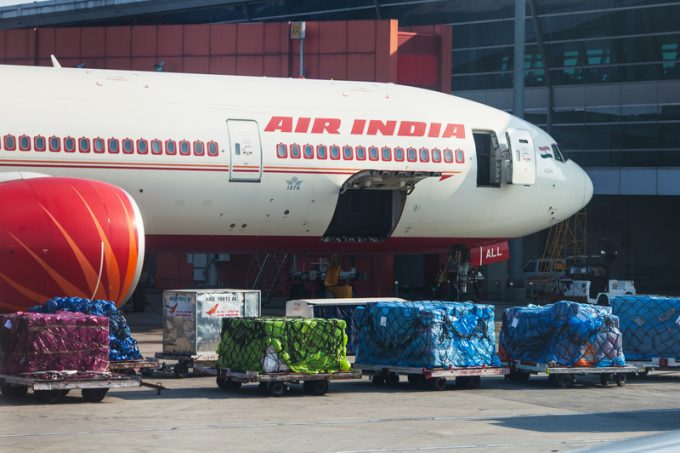
Air cargo capacity out of India is expected to tighten, possibly leading to rate increases, following the tragic Air India crash and resulting cut in services.
Tata Group-owned Air India is navigating significant operational pressures following tighter technical inspections and also abrupt schedule cancellations linked to airspace closures due to Middle East tensions.
In the aftermath of the 12 June 787 Dreamliner crash at Ahmedabad that killed all on board but one, the Directorate General of Civil Aviation (DGCA), India’s aviation regulator, directed Air India to tighten safety inspections and other mandatory checks, impacting its flight schedules.
As pressure on capacity intensifies, the carrier has now announced it would cut long-haul widebody international services by 15% until at least the middle of July.
“Given the compounding circumstances that Air India is facing, to ensure stability of our operations, better efficiency and to minimise inconvenience to passengers, Air India has decided to reduce its international services,” the airline said.
“This effectively adds to our reserve aircraft availability to take care of any unplanned disruptions.”
The lion’s share of Air India’s widebody fleet is used for connections to Europe, the US and Australia. And available data suggest the proposed cutback plan will, in large part, impact the India-Europe sector, given the scale of schedules.
And it could trickle down to India’s air freight trade, according to industry sources.
“Cargo will experience longer transit times,” one industry analyst told The Loadstar. “We can also expect a rise in freight rates,” the source added.
Jitendra Srivastava, CEO of Mumbai-based logistics service provider Triton Logistics & Maritime, also said Air India’s capacity disruption would be a setback for the industry, necessitating contingency planning.
“Air India’s decision to cut wide‑body flights will tighten belly cargo capacity on key international lanes, just as global demand rebounds,” Mr Srivastava said.
“We’re already seeing freight rates edge upward and booking flexibility becoming a premium, prompting us to proactively realign routes and secure alternative lift with partner carriers.”
But Vineet Malhotra, co-founder and director at Mumbai-based Kale Logistics Solutions, believes the Air India-linked disruption will have a short-lived or moderate impact on the cargo industry.
“Although some constraints may emerge in the near term, operations are expected to return to normal within a few weeks,” Mr Malhotra told The Loadstar. “A logistics e-marketplace can play a pivotal role in helping airlines and freight agents in such circumstances.”
Since its privatisation in 2022 and subsequent modernisation push, Air India has made a raft of strategic efforts to ramp up its cargo share, with executives criss-crossing major global cities holding roadshows to woo shippers and other stakeholders with improved service offerings.
The carrier recently bagged Good Distribution Practice certification for 16 stations worldwide, a critical requirement for pharmaceuticals handling, and is thought to be the only Indian carrier to be compliant with the guidelines.
India’s growing pharmaceutical exports remain a key target for airlines looking to grow their cargo operations out of the country. According to available data, Air India handled some 4,000 tonnes of pharmaceutical goods globally in fiscal year 2024-25.
The airline anticipates a three-fold increase in belly capacity with the ongoing fleet upgrades, but has ruled out any immediate plans to acquire freighters.
You can contact the writer at [email protected].
For uninterrupted access, sign in or sign up to The Daily News, Premium or The Loadstar Enterprise Plan.

Comment on this article