AI cargo props up air cargo market amid warnings of an early peak
Booming AI-related shipments are offsetting weaker ecommerce demand in air cargo, with analysts warning geopolitical ...

BA: NEW BIG ORDERBA: THE ORDERBOOK GROWSPLD: PUSHING FOR A DEAL PLD: TIME TO DEALEXPD: ANOTHER ALL-TIME HIGH CHRW: NEW RECORD DSV: AHEAD OF EARNINGS RELEASE JBHT: NEW HIGHS EVERYWHEREPLD: STRONG DELIVERYJBHT: FAIR-VALUE CONSENSUS ESTIMATE AT ALL-TIME HIGH KNIN: AI TECH ADVANTAGEPLD: TRADING UPDATE ON THE WAY KNIN: UPSIDE
BA: NEW BIG ORDERBA: THE ORDERBOOK GROWSPLD: PUSHING FOR A DEAL PLD: TIME TO DEALEXPD: ANOTHER ALL-TIME HIGH CHRW: NEW RECORD DSV: AHEAD OF EARNINGS RELEASE JBHT: NEW HIGHS EVERYWHEREPLD: STRONG DELIVERYJBHT: FAIR-VALUE CONSENSUS ESTIMATE AT ALL-TIME HIGH KNIN: AI TECH ADVANTAGEPLD: TRADING UPDATE ON THE WAY KNIN: UPSIDE
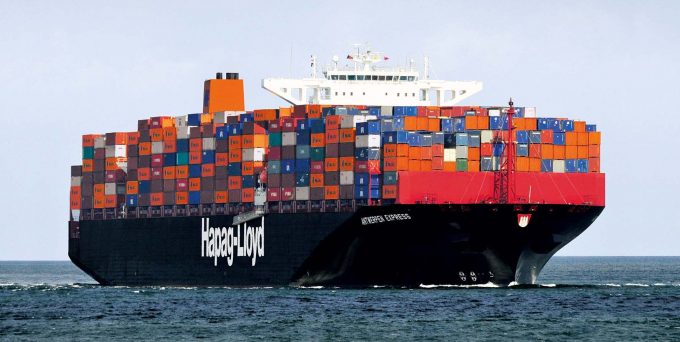
Fuel supply risks could determine how early and how sharply container shipping’s peak season hits this year, with Asia-Europe most exposed if the Strait of Hormuz disruption drags on, according to Freightos head of research Judah Levine.
He said shipping had so far avoided the severe fuel shortages feared at the start of the crisis, particularly in Singapore and other Far East bunkering hubs, but he warned that a prolonged closure could change that within months.
“The Far East is especially dependent on oil that would normally move through the Strait of Hormuz,” he said, adding that Europe was also exposed, with North America less vulnerable initially.
Although some vessels had made extra port calls to secure fuel, and there had been low levels of very-low-sulphur fuel oil in some locations, Mr Levine said supply chains had only adjusted to the initial shock, not eliminated the risk.
If shortages emerge, the effect on ocean freight would be more severe than the rate moves seen so far, because the disruption would hit effective vessel supply.
Carriers would likely respond by slow-steaming and blanking more sailings, reducing available capacity just as demand begins to rise.
On Asia-Europe, Mr Levine expects peak season to start early, potentially as soon as this month, because Red Sea diversions had extended transit times and narrowed the shipping window before early October’s Golden Week holiday.
That means European importers moving goods from Asia are likely to ship earlier to ensure inventory arrives in time, which could put upward pressure on rates even before a traditional peak season develops.
“We have longer transit times from Asia to Europe… And we’d expect that most shippers want to make sure they move. I think peak season will start early this year, maybe already some pressure this month even. But that has kind of been the norm since the Red Sea diversions started.”
Rolf Habben Jensen, CEO of Hapag-Lloyd, seemed optimistic during yesterday’s earnings call, noting: “If we look at forward bookings… I think there is an expectation that we will have a fairly normal peak season.
“I think the outlook for this year, despite all the uncertainty that there is, is not only bleak. We’ve seen spot rates go up a bit. We see now a bit more momentum going into May. But of course, the important moment will always be end of June and July when we head into peak season.
“Right now, I think the signs are that we will have a fairly normal peak season, but of course, that remains to be seen.”
However, Mr Levine added that this year’s peak may also be “muted”, compared with recent years, especially on the transpacific lane.
National Retail Federation projections for US ocean imports show a July peak, with volumes elevated in August before declining in September, but July volumes are expected to be 8% below last year and 6% below 2024.
Mr Habben Jensen noted that transpacific contract rates, excluding the fuel component, were “a bit down compared with the previous year”, but demand remained strong.
One downside risk for carriers is that higher energy prices could also weaken consumer demand.
Mr Levine noted that Maersk had flagged the same concern: if fuel costs raise inflation and subdue spending, peak-season freight demand could disappoint, while carriers still face elevated operating costs.
Mr Habben Jensen said: “At the moment, we also see a bit of recovery on the Atlantic, but it will be decided what is going to happen during the peak season because that’s where we’ll still need to have a further uptake on the rates, as the additional bunker costs still weigh very heavily on our P&L.”
Mr Levine concluded that without a major bunker shortage, he expected no extreme rate spike – “probably more of the same until peak season kicks in”, he said.
For uninterrupted access, sign in or sign up to The Daily News, Premium or The Loadstar Enterprise Plan.
Comment on this article