Ocean capacity is rising, demand is cooling, and 'the market is starting to turn'
Container spot freight rates on the main east-west ocean trades showed their first decline since ...

GM: TRADING UPDATE OUTUPS: REMEMBER THE TAILWINDS PLD: NEW RELEASEPLD: OUCHVW: NEW PARTNERS SOUGHTEXPD: AIRCRAFT ON GROUND SERVICESTSLA: JUST AS VW STRUGGLESBA: NEW BIG ORDERBA: THE ORDERBOOK GROWSPLD: PUSHING FOR A DEAL PLD: TIME TO DEALEXPD: ANOTHER ALL-TIME HIGH CHRW: NEW RECORD DSV: AHEAD OF EARNINGS RELEASE JBHT: NEW HIGHS EVERYWHERE
GM: TRADING UPDATE OUTUPS: REMEMBER THE TAILWINDS PLD: NEW RELEASEPLD: OUCHVW: NEW PARTNERS SOUGHTEXPD: AIRCRAFT ON GROUND SERVICESTSLA: JUST AS VW STRUGGLESBA: NEW BIG ORDERBA: THE ORDERBOOK GROWSPLD: PUSHING FOR A DEAL PLD: TIME TO DEALEXPD: ANOTHER ALL-TIME HIGH CHRW: NEW RECORD DSV: AHEAD OF EARNINGS RELEASE JBHT: NEW HIGHS EVERYWHERE
A declining sales-to-inventory ratio in the US has been one of the key reasons behind the recent volume surge and accompanying spot rate rally on the transpacific trades.
However, while new data from the US Census Bureau for May shows the gap continued to widen that month, analysts at Sea-Intelligence warned that while the ratio was decreasing, inventories are on the rise, and any drop-off in US consumer spending would reverse the situation, resulting in an inventory overhang.

Source: Sea-Intelligence Consulting
“This is not necessarily a stable situation. It is solely the relative inventories which are declining. The absolute size keeps growing,” Sea-Intelligence said.

Source: Sea-Intelligence Consulting
“This means it is the sales data which are important. The resilience of the US consumer is what is lowering the relative inventory sizes,” it added.
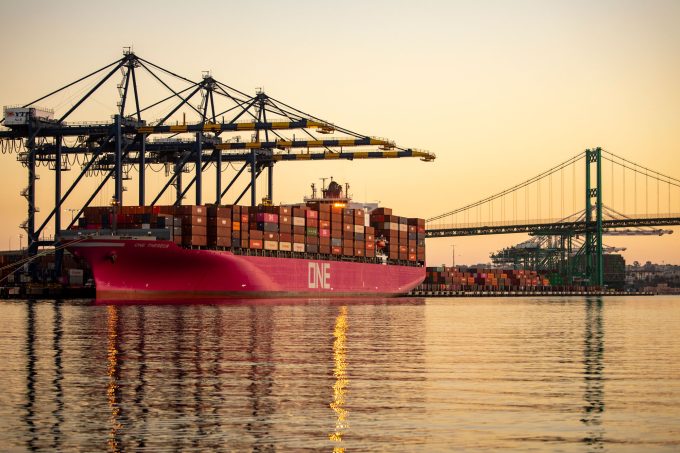
Surging sales in May, as well as the impending end of the universal 10% tariffs, clearly prompted US importers to ship more goods the following month, and the port of Los Angeles – often a bellwether for the country’s container supply chains – reported its busiest-ever June, handling 1.002m teu, only the third time it had handled more than a million teu in a single month.
“June cargo was 12% higher than a year ago, driven by strong import demand as retailers and manufacturers continued advancing shipments while navigating evolving trade policy, rising fuel costs, and global supply chain uncertainty,” the port authority said.
However, US forwarders are well aware that much of the recent transpacific demand has been influenced by President Trump’s tariff policies – and the huge cloud of uncertainty that looms over them – and is clearly correlated with the inventory-to-sales ratios.
“The next two weeks are likely to determine the direction of the transpacific market,” US west coast forwarder Freight Right said last week.
“If tariff uncertainty is resolved with lower or eliminated duties, import demand could quickly rebound, potentially creating an extended peak season through August and September, and pushing ocean rates higher again. However, if tariffs remain, or increase, market participants expect booking volumes to weaken further, putting additional downward pressure on freight rates.”
The forwarder added: “With many importers already front-loading inventory earlier, the industry may ultimately experience another year without a traditional peak season, instead seeing demand shift around trade policy developments rather than seasonal retail cycles.”
And if US consumers decide to stop spending it would put another dent in transpacific demand, colliding with a more benign tariff environment, Sea-Intelligence noted.
“Should sales begin to decline, the relative inventories will increase instantly, leading from low inventories to excess inventories. If this happens in the coming months, the swing will occur just as we see record amounts of containerised cargo delivered into the US.
“Should such a scenario unfold, this also means we will see the demand surge and associated full vessels and high freight rates rapidly replaced by overcapacity and dropping freight rates,” it added.
Worried about how El Nino will impact transpacific shipping? Watch our interview with a leading meteorologist:
For uninterrupted access, sign in or sign up to The Daily News, Premium or The Loadstar Enterprise Plan.
Comment on this article