Ocean spots and demand hold steady, but waves may be building
Container freight spot rates on the transpacific and Asia-Europe trades showed moderate gains this week, ...


WTC: 'ONE RECORD'HLAG: EARNINGS GUIDANCE UPGRADE AAPL: GLOBAL SMARTPHONE SHIPMENTS VW: THE IMPACT VW: MASSIVE JOB CUTS CONFIRMEDEXPD: BULLISHCHRW: POSITIONING AHEAD OF EARNINGSAMZN: IN THE NUMBERSAMZN: PEOPLE MATTER UNTILVW: THE LAST CUT IS THE DEEPESTJBHT: GEARING UP VW: BUYING TIMER: BIG VOTE OF CONFIDENCEAAPL: BEARISH HEDGEYE
WTC: 'ONE RECORD'HLAG: EARNINGS GUIDANCE UPGRADE AAPL: GLOBAL SMARTPHONE SHIPMENTS VW: THE IMPACT VW: MASSIVE JOB CUTS CONFIRMEDEXPD: BULLISHCHRW: POSITIONING AHEAD OF EARNINGSAMZN: IN THE NUMBERSAMZN: PEOPLE MATTER UNTILVW: THE LAST CUT IS THE DEEPESTJBHT: GEARING UP VW: BUYING TIMER: BIG VOTE OF CONFIDENCEAAPL: BEARISH HEDGEYE
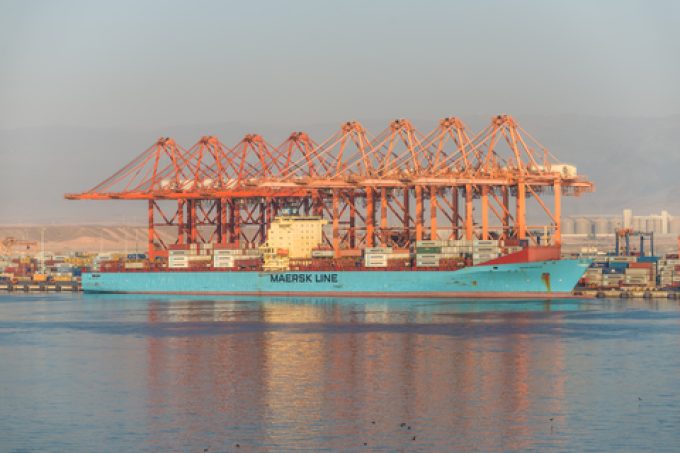
Maersk has announced that it is returning a third service to the Red Sea routing, its Mediterranean-West Africa WAF 6 service.
“We are pleased to inform you of immediate structural changes to our WAF6 service,” the carriers said in a statement yesterday.
“WAF6 is solely operated by Maersk and is a service that connects the Middle East, Mediterranean and West Africa.
“It will now transit via the Red Sea between Salalah and West Mediterranean.
“This change marks another step towards a gradual return to the trans-Suez corridor,” Maersk added.
It is the third Maersk-linked service to return to Suez in recent days, following its US-flagged US east coast-Middle East MECL services, and the Gemini Asia-Med Loop 2 string operated with Hapag-Lloyd.
Meanwhile, the recent history of the WAF6 service is a great example of how carriers have redesigned their networks in response to geopolitical developments.
An analysis of Xeneta’s eeSea liner database shows that until this March, the WAF6 had a relatively simple east Mediterranean-west Mediterranean-west Africa routing with a typical port rotation of Port Said-Algeciras-Tanger-Tena-Lagos, with west African-bound shipments from Asia, Europe and North America able to be transhipped either in Port Said or at Algeciras and Tanger.
In that structure it deployed five vessels with an average capacity of 4,600 teu
However, following the outbreak of the US-Israel-Iran conflict, Maersk dropped the east Mediterranean coverage and instead introduced a call at its Oman transhipment hub at Salalah, presumably to carry cargoes from Asia.
It offered a new port rotation of: Tanger-Algeciras-Tema-Apapa-Cape of Good Hope-Salalah but now had to deploy nine ships instead of five and effectively transformed the service into a Middle East-Europe string.
In May it added a tenth vessel to the service which led to marked improvement in the WAF 6’s schedule reliability, which according to Sea-Intelligence’s monthly schedule reliability report went from 0% of on-time vessel arrivals in February/March to 40% on time the following month.
By reverting to Red Sea routings Maersk ought to be able to remove two to three of the vessels from the string for redeployment elsewhere in its network, as well as being able to offer additional options for cargo from Asia by transhipping over Salalah.
However, much will also continue to hinge on the geopolitical situation – shortly after its WAF 6 announcement news broke that Saudia Arabia and Yemen’s Houthis had traded missile attacks, threatening the short-lived peace in the region.
“Maersk will continue to monitor the security situation in the Middle East region very closely. The safety of the crew, the vessels, and customers’ cargo remains the highest priority.
“Should the security situation change in the Red Sea, which may necessitate reverting individual sailings or the wider structural change of the service back to the Cape of Good Hope route, we have contingency plans in place,” the carrier said.
For uninterrupted access, sign in or sign up to The Daily News, Premium or The Loadstar Enterprise Plan.

Comment on this article