The Loadstar Leader: Fuel prices set to come down – just as BAFs are set to soar
If – and in this context, “if” is the biggest word in the English language ...


DSV: STOCK MARKET REACTION XOM: OIL INVENTORY WARNINGWTC: EBL DEAL DETAILSWTC: EBL DEALEXPD: 'READ MY LIPS' HON: DEALS ON THE MENUEXPD: NEW RECORD XPO: THE REBOUNDCAT: PAYOUT UPDHL: LIGHTHOUSEMAERSK: ANOTHER UPGRADEFWRD: HEALTHY CORRECTION R: RYDER CEO SAYS
DSV: STOCK MARKET REACTION XOM: OIL INVENTORY WARNINGWTC: EBL DEAL DETAILSWTC: EBL DEALEXPD: 'READ MY LIPS' HON: DEALS ON THE MENUEXPD: NEW RECORD XPO: THE REBOUNDCAT: PAYOUT UPDHL: LIGHTHOUSEMAERSK: ANOTHER UPGRADEFWRD: HEALTHY CORRECTION R: RYDER CEO SAYS
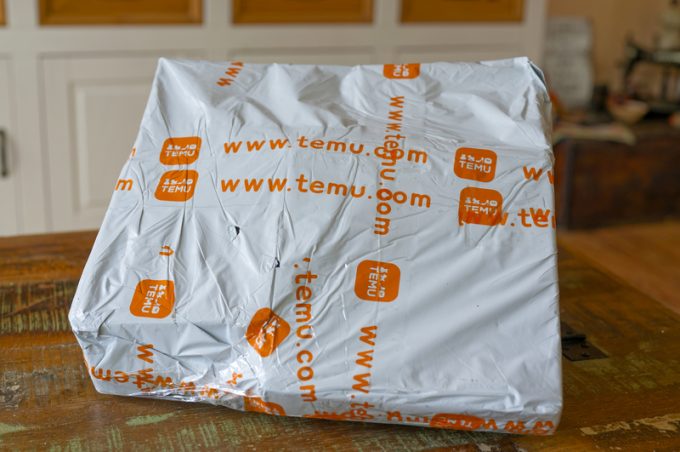
Ecommerce flows into Europe are expected to gain momentum, with stakeholders being advised to “plan well in advance” of peak season.
“What is clearly a fact is that [Shein and Temu] are pivoting towards Europe, because of US markets becoming less accessible,” Alain Guerin, chief commercial officer at CMA CGM Air Cargo, told the Caspian Air Cargo Summit.
“Back in May, China-US had a lot of ecommerce cargo… the abrupt end of the de minimis exemption and the introduction of the US tariffs basically killed that,” he explained
And Danish carrier Maersk noted the trend of ecommerce volumes filtering to Europe – largely caused by the stem in flow of low-value goods from China to the US post de minimis – had “continued to gain momentum”.
“As we approach peak ecommerce season in Europe, online retailers and carriers alike are making preparations in expectation of an increase in parcel volumes,” it said.
The carrier noted that shippers and forwarders were already planning ocean shipments “well in advance of peak season”, and advised them to approach last-mile deliveries and fulfilment services in the same way.
“We are seeing an increasing number of customers asking for last-mile rates for 2026, and having an indication of expected volumes in the coming year will, likewise, help determine costs and secure the needed capacity beyond peak season,” Maersk explained.
It revealed that, as a logistics provider, it was already looking to secure “additional lanes and delivery slots” with carriers across its network.
According to Maersk, ecommerce sellers from the Far East have taken up some 200,000 sq metres of warehouse space in the UK this year, close to matching the peak of 2021.
“Low-cost ecommerce players from Asia continue to work on strengthening their presence in Europe by expanding their warehousing and distribution footprint along the continent,” it said
The Danish carrier advised stakeholders that being close to end markets and final consumers would lower costs and speed delivery times, but recommended that companies unable to expand their footprint could make use of intra-Europe “expedited shipments” and “last-mile solutions”.
But Mr Guerin signalled that further regulatory changes could again “threaten to redefine” ecommerce flows.
“Europe is talking about a €2 customs fee introduction, and this could actually signal a potential reshaping of the cross-border ecommerce in the next few years. Those shifts bring opportunities, of course, but they also bring challenges,” he said.
“It’s prompting us to understand and respond to how ecommerce players will adapt. The future lies in managing risks, while at the same time delivering fast, compliant and profitable services to customers.
“Those challenges span the cargo and logistics ecosystem. Success will depend on enhanced industry cooperation, harmonised rules, an effective digital framework, and of course, a strong investment in our people.”
Listen to this clip of Michael Douglas, customs technology consultant at ALS, on the benefits of AI in customs processes:
For uninterrupted access, sign in or sign up to The Daily News, Premium or The Loadstar Enterprise Plan.
Comment on this article