Smart containers: can carriers get a return on the massive investment?
Hapag-Lloyd has “set the standard” for smart container usage, according to the Digital Container Shipping ...


KNX: TIME TO SAY GOODBYEODFL: SET THE BAR HIGHBA: PIPELINEBA: SUPPLY CHAIN TESTAMZN: AI WAVESDHL: THE FRENCH CONNECTIONJBHT: MIND THE SPREADMAERSK: GAUGE THE UPSIDE DSV: UP AND DOWNCHRW: FIRST OF ITS KINDMFT: TAKING PROFIT
KNX: TIME TO SAY GOODBYEODFL: SET THE BAR HIGHBA: PIPELINEBA: SUPPLY CHAIN TESTAMZN: AI WAVESDHL: THE FRENCH CONNECTIONJBHT: MIND THE SPREADMAERSK: GAUGE THE UPSIDE DSV: UP AND DOWNCHRW: FIRST OF ITS KINDMFT: TAKING PROFIT
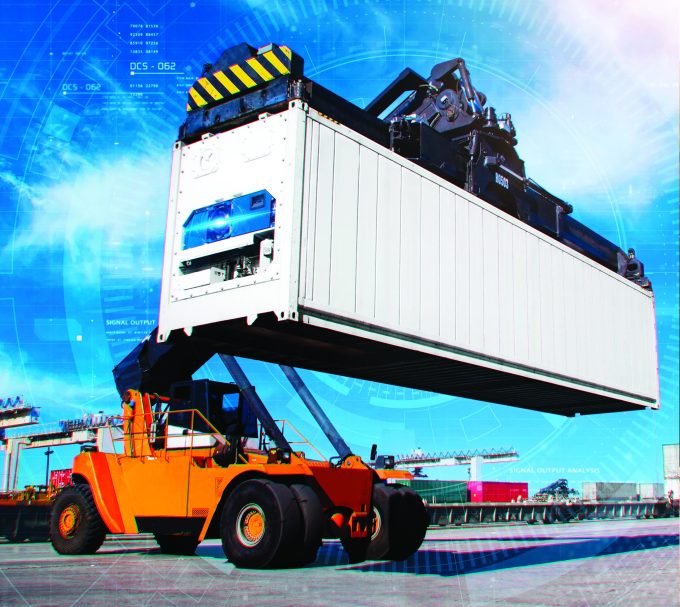
Shipping lines are under pressure. Rising operational costs, tighter environmental rules, and growing demand for end-to-end visibility are pushing reefer operations into the spotlight. Smart reefer container technology is no longer just about efficiency; it’s becoming essential.
With real-time data, automated alerts, and smarter maintenance, smart reefers offer measurable returns: fewer cargo losses, lower labour costs, and faster turnarounds. But beyond the numbers, there’s another driver – regulation. Governments are tightening standards around emissions, cold chain traceability, and digital reporting. Compliance won’t be optional for long.
As Lars H Jensen, ORBCOMM’s director of product management, Smart Reefers, puts it: “Regulations will force this shift. It’s not a question of if but when.”
For shipping lines, the time to invest in this technology is now.
Mr Jensen says: “With ORBCOMM’s alarm and off-power alerts, shipping lines don’t wait 8–12 hours to discover a container has critical issues or power loss. They know instantly, enabling data-driven action to protect cargo integrity.”
Relying on manual reefer checks every 8–12 hours leaves too much room for error and adds unnecessary risk. With smart reefers, shipping lines can move from reactive to real-time, cutting labour costs, improving safety, and reducing cargo spoilage.
ORBCOMM’s system provides alerts when there are temperature deviations, machinery faults, or power failures, enabling operators to act before an issue escalates. The result? Less spoilage, fewer claims, and more reliable shipments.
Shipping lines using ORBCOMM’s smart reefer container technology are seeing real operational gains, eliminating manual monitoring, significantly cutting labour costs across large fleets, and reducing cargo spoilage through faster, data-led intervention.
Manual PTIs are time-consuming and energy-intensive. Smart reefer technology flips the process: manual PTIs can be reduced with a remote, data-driven process that constantly analyses each container’s historical and real-time performance to confirm the container’s health status.
“With a data-driven PTI process, you are essentially performing a PTI on a live operating reefer every hour instead of the traditional PTI performed on an empty container on average every 3 – 4 months,” explains Mr Jensen.
Instead of plugging in every reefer and running standard self-diagnostic tests, operators can zero in on the units that show signs of potential issues critical to the cargo. The result is cleaner and optimised operations with lower costs, reduced handling, and fewer CO2 emissions.
The returns are clear: it cuts manual labour and electricity use, limits unnecessary plug-ins, reduces handling emissions and speeds up container readiness. Using historical performance data instead of blanket inspections also improves fault detection.
Mr Jensen notes how customers and shipping lines would be “surprised how many reefers get unplugged at terminals, and no one notices. If it isn’t caught quickly, you could lose the whole shipment.”
If a reefer loses power without notice this can spoil an entire shipment before anyone realises it.
ORBCOMM provides instant off-power alerts, allowing teams to take immediate action when a container is unplugged. That kind of visibility protects cargo, cuts claims, and ensures operators only pay for actual plugged-in time.
The core ROI comes from preventing spoilage caused by unnoticed power loss and enabling faster intervention when high-value or sensitive cargo is at risk.
It’s not just about efficiency but about readiness; governments and regulators are tightening the rules. From carbon reporting requirements in Europe to U.S. traceability rules, regulations are changing fast, and reefer operations are directly affected.
Shipping lines need to show they can monitor, log, and report in real time. Manual processes won’t cut it. Smart reefer technology is quickly becoming the only viable way to stay ahead of changing rules without piling on cost and complexity.
But the bigger story is what’s coming next: more regulation, more customer demand for visibility, and tighter sustainability targets. Lines that move now won’t just unlock efficiency, they will be future-proofing their fleets.
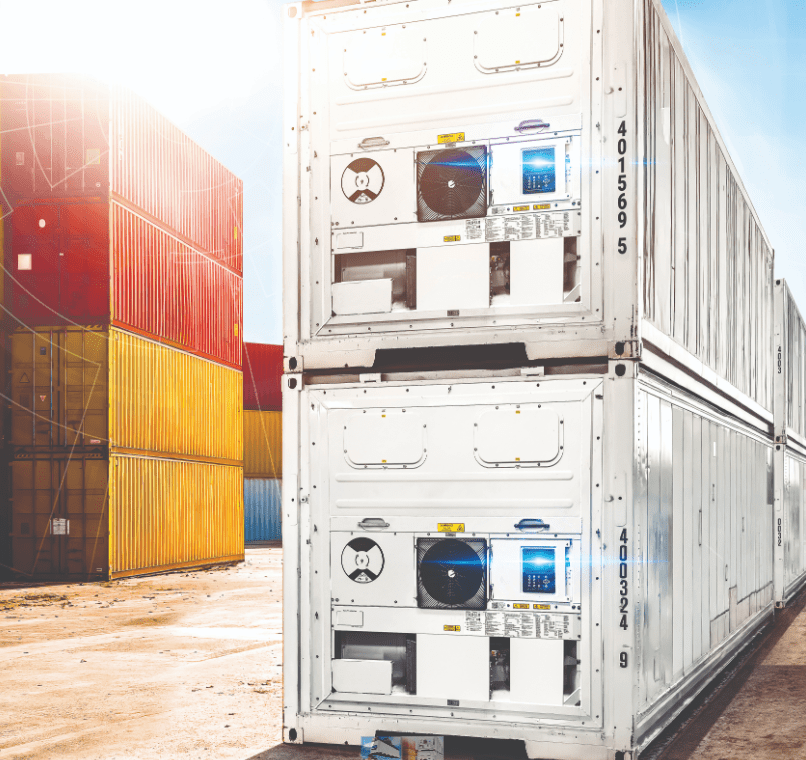
This article is sponsored by ORBCOMM – connecting the world’s assets

For uninterrupted access, sign in or sign up to The Daily News, Premium or The Loadstar Enterprise Plan.
Comment on this article