Forwarders face margin squeeze as growth cools and disruption persists
The global freight forwarding market is still growing, but the industry’s easy gains appear to ...

WTC: 'ONE RECORD'HLAG: EARNINGS GUIDANCE UPGRADE AAPL: GLOBAL SMARTPHONE SHIPMENTS VW: THE IMPACT VW: MASSIVE JOB CUTS CONFIRMEDEXPD: BULLISHCHRW: POSITIONING AHEAD OF EARNINGSAMZN: IN THE NUMBERSAMZN: PEOPLE MATTER UNTILVW: THE LAST CUT IS THE DEEPESTJBHT: GEARING UP VW: BUYING TIMER: BIG VOTE OF CONFIDENCEAAPL: BEARISH HEDGEYE
WTC: 'ONE RECORD'HLAG: EARNINGS GUIDANCE UPGRADE AAPL: GLOBAL SMARTPHONE SHIPMENTS VW: THE IMPACT VW: MASSIVE JOB CUTS CONFIRMEDEXPD: BULLISHCHRW: POSITIONING AHEAD OF EARNINGSAMZN: IN THE NUMBERSAMZN: PEOPLE MATTER UNTILVW: THE LAST CUT IS THE DEEPESTJBHT: GEARING UP VW: BUYING TIMER: BIG VOTE OF CONFIDENCEAAPL: BEARISH HEDGEYE
There is an urgent need for the global freight forwarding community to invest in and strengthen its education pipeline amid a breakdown in the global trading order.
Recent weeks have seen mixed messages on the future of globalisation, with, on one side the US taking a hatchet to the established order, on the other the likes of the UK have sought to strengthen bilateral ties with partners.
John Manners-Bell, CEO of Transport Intelligence, told The Loadstar: “We are all operating in a moment of volatility and uncertainty, but this is the new normal.
“Forwarders need to be considering – individually and as part of the industry – that we have moved from a flat world to one full of challenges, and need to consider what is going to be required to operate in such conditions.”
Alongside deals with India and the US, the UK has also made recent gains in thawing post-Brexit relations with the European Union.
For Mr Manners-Bell, the nine-year period since the UK referendum on EU membership offers sage advice on how forwarders should be dealing with the move away from globalisation.
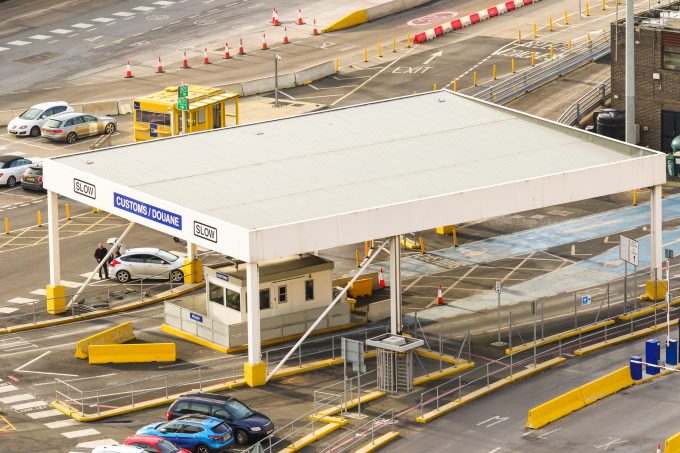
“Look at what happened, forwarders undertook a huge wave of hiring in customs brokerage so they were sorted for flows on the UK’s south coast,” he said.
That, however, came with significant challenges – not least that the availability of fully qualified brokers in the UK had diminished significantly, in no small part as a consequence of EU membership creating a lack of need for them.
At the time, industry leaders were slamming government for failing to support efforts to grow a pool of local talent.
While not as pronounced on a global level, Mr Manners-Bell suggested that there would be a need to rapidly increase the level of training on offer if the industry was now to equip itself sufficiently to meet the demands of the changing times.
He added: “What is now needed is global improvement in education for forwarders as trading become more complex, with the level of required expertise increasing.”
Pointing to the recent trade deal between India and the UK – with tariffs significantly reduced but not removed – Mr Manners-Bell said customs brokerage was “certainly an area in which we need to see improved training”, echoing forwarders’ sentiments.
If the failure of government and industry to marry up as the UK extricated itself from the EU marked how not to do things, this agreement offered a chance to redo it.
One forwarder suggested that, with the agreement between Delhi and Whitehall being much slower moving, with a long time-frame, it would “take years to see anything of significance happening”.
They told The Loadstar: “It has set the foundations for future growth. But we won’t experience a spike. Hopefully, rather what will happen is a gradual stimulation of growth as trade between the two increases and other adjustments to free trade are brought in, with future deals added.”
Get up to speed on all things supply chain!
For uninterrupted access, sign in or sign up to The Daily News, Premium or The Loadstar Enterprise Plan.

Comment on this article