Monsoon storms bring added disruption to India's west coast ports
Monsoon storms along India’s west coast have exacerbated supply chain disruption for containerised freight moving ...

JBHT: NEW HIGHS EVERYWHEREPLD: STRONG DELIVERYJBHT: FAIR-VALUE CONSENSUS ESTIMATE AT ALL-TIME HIGH KNIN: AI TECH ADVANTAGEPLD: TRADING UPDATE ON THE WAY KNIN: UPSIDEJBHT: STRONG TRADING UPDATE DSV: EVERY LITTLE HELPSJBHT: CEO REMARKS WMT: VERTICAL INTEGRATION IN LOGISTICS
JBHT: NEW HIGHS EVERYWHEREPLD: STRONG DELIVERYJBHT: FAIR-VALUE CONSENSUS ESTIMATE AT ALL-TIME HIGH KNIN: AI TECH ADVANTAGEPLD: TRADING UPDATE ON THE WAY KNIN: UPSIDEJBHT: STRONG TRADING UPDATE DSV: EVERY LITTLE HELPSJBHT: CEO REMARKS WMT: VERTICAL INTEGRATION IN LOGISTICS
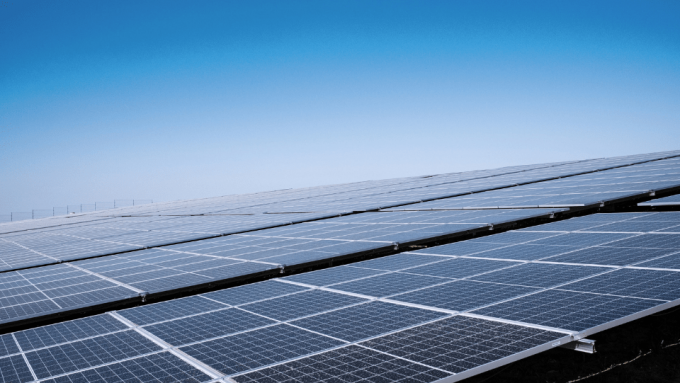
One ‘high-stakes’ Indian industrial vertical facing the onslaught of US tariff and regulatory shocks is the nascent manufacturing sector for solar equipment.
Indian solar module exports to the US had seen impressive traction in the past few years, the tradelane accounting for as much as 99% of overall volumes.
This trade was worth some $2bn in fiscal year 2023-24, with available indicators suggesting significant further expansion into 2024-25.
Those gains came as US importers had widely diversified their traditional sourcing out of China for more reliable supply chains, a trend refuelled by Covid disruption, sources believe.
But the newfound market edge for Indian manufacturers/exporters is now rapidly fading with high tariffs coming into play. Additionally, Indian solar module exports were already under some scrutiny by US authorities over anti-dumping and countervailing duty claim complaints, filed by the Alliance for American Solar Manufacturing and Trade (AASMT).
“Solar trade exports were steadily coming down over the last month, but the unprecedented tariffs have now accelerated that slowdown,” one container line executive told The Loadstar.
Container carriers serving India-US trades had been aggressively competing for market share in India’s promising energy-related exports.
Solar PV (photovoltaic cells) exports out of Mundra and Chennai — the two dominant gateways for such cargo moving to the US — have come to a halt, according to industry sources.
And one freight forwarder said: “One last lot of 400 containers from Chennai has been planned for shipment this week.”
This market disruption has dealt a heavy blow to India’s manufacturing dreams – its long-term pursuit to emerge as an alternative sourcing destination to China – after tasting tangible success. Adani Solar, Waaree Energies, Vikram Solar, and Premier Energies are among the known frontline Indian companies that had regular supplies to the US market.
Carriers’ volume pressures linked to the tariff fiasco are not just limited to the Indian solar sector. Liners have growing fears over booking demand from textiles/ready-made garments and seafood shippers.
The US traditionally accounted for nearly half of India’s $7bn of shrimp exports, largely out of the southern Andhra Pradesh region, while some 33% of its worldwide garment exports were to the US last year.
Various Indian industry groups, representing the exporting community, have already reached out to government leaders seeking immediate fiscal and other policy support to cope with the challenges.
“Textiles and apparel manufacturers in Tirupur, Noida, and Surat have halted production amid worsening cost competitiveness,” said the Federation of Indian Export Organisations (FIEO).
“While for the seafood, especially shrimps – as the US market absorbs nearly 40% of Indian seafood exports – the tariff increase risks stockpile losses, disrupted supply chains, and farmer distress,” FIEO warned.
Stakeholders representing the apparel industry also voiced concerns as they believe the high tariff level could slam US market doors to Indian exports.
“Our industry is already experiencing the effects of the tariff hike, with potential losses and order cancellations,” the Apparel Export Promotion Council noted.
“We are exploring alternative markets and strategies to mitigate the impact of the US tariffs,” it added.
For uninterrupted access, sign in or sign up to The Daily News, Premium or The Loadstar Enterprise Plan.

Comment on this article