Europe’s auto sector faces ‘perfect storm’ as exports slump and imports surge
European automakers and their logistics services providers are navigating a period of upheaval and structural ...

WTC: 'ONE RECORD'HLAG: EARNINGS GUIDANCE UPGRADE AAPL: GLOBAL SMARTPHONE SHIPMENTS VW: THE IMPACT VW: MASSIVE JOB CUTS CONFIRMEDEXPD: BULLISHCHRW: POSITIONING AHEAD OF EARNINGSAMZN: IN THE NUMBERSAMZN: PEOPLE MATTER UNTILVW: THE LAST CUT IS THE DEEPESTJBHT: GEARING UP VW: BUYING TIMER: BIG VOTE OF CONFIDENCEAAPL: BEARISH HEDGEYE
WTC: 'ONE RECORD'HLAG: EARNINGS GUIDANCE UPGRADE AAPL: GLOBAL SMARTPHONE SHIPMENTS VW: THE IMPACT VW: MASSIVE JOB CUTS CONFIRMEDEXPD: BULLISHCHRW: POSITIONING AHEAD OF EARNINGSAMZN: IN THE NUMBERSAMZN: PEOPLE MATTER UNTILVW: THE LAST CUT IS THE DEEPESTJBHT: GEARING UP VW: BUYING TIMER: BIG VOTE OF CONFIDENCEAAPL: BEARISH HEDGEYE
The Trump administration may well have ended uncertainty on the extent of US import tariffs on vehicles from the UK and the EU – 10% and 15%, respectively – but this has done little to boost market visibility for automotive manufacturers and logistics service providers (LSPs).
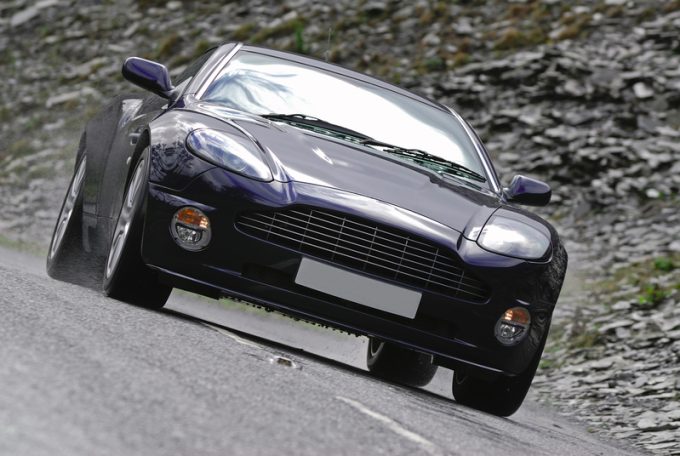
The impact of tariff turmoil swirling around the industry in recent months is well-illustrated by Aston Martin, the UK luxury brand which scrambled, with Its principal logistics partner, thought to be DHL Supply Chain, to deliver three months’ worth of cars to dealers in the US within 24 hours at the end of June, in time to benefit from duties then reduced from 27.5% to 10%.
And invoicing the whole of the second quarter’s deliveries on the same day allowed Aston Martin to avoid having to report a sales slump that could have set alarm bells ringing among investors.
The 10% duty on UK-made vehicles is limited to 100,000 units – roughly those exported to the US last year, the biggest seller being the Range Rover. Anything beyond this quota will be taxed at 27.5%. There is concern this could trigger a rush towards the end of the year as British automakers scramble to get vehicles included in the quota.
And there is no potential to raise production for the US market in the foreseeable future.
Meanwhile, the financial consequences of the tariffs are apparent in the first half-year results of Europe’s major automakers.
For example, Mercedes said it would incur costs for the year from US import duties of around €360m ($417m), while Porsche estimated it had taken a €400m hit.
Frank Schnelle, executive director of the Association of European Vehicle Logistics, told The Loadstar: “We do not take a position on the individual tariffs, as this is a matter for the OEMs. However, it appears that many details around these trade deals remain unresolved.
“What is important from our perspective is that clarity is established as soon as possible to allow supply chains to be adapted long-term to meet demand. This is crucial to ensure stable and reliable supply.”
ING’s senior sector economist, transport & logistics, Rico Luman, told The Loadstar the Q2 financial results from automakers showed the effects the tariffs are having.
And while there is perhaps some relief among EU players that the rate of 15% is half of that feared and “could provide some policy stability,” absorbing it will be difficult given the relatively low EBIT margins, he added.
“If they (automakers) hike prices accordingly, unit sales will likely suffer (except for Ferrari, perhaps). This means we can expect a mixed approach in practice. They are all looking into price, product offering and production adjustment opportunities. And there are many variants.”
Another option could be to spread price increases across the world and over time, while there is talk about production flexibility and potential regional shifts. And production in US facilities will likely be raised, Mr Luman added.
Get up to speed on all things supply chain!
For uninterrupted access, sign in or sign up to The Daily News, Premium or The Loadstar Enterprise Plan.

Comment on this article