Forwarders face margin squeeze as growth cools and disruption persists
The global freight forwarding market is still growing, but the industry’s easy gains appear to ...

PLD: PROPOSAL DETAILSPLD: FINAL OFFERDSV: ROAD CEO MATTERSDSV: VOLUME PROGRESSION IN SEA FREIGHT DSV: TIME TO INCREASE THE VOLUMES IN SEA FREIGHTDSV: HEADCOUNT DISCREPANCIESDSV: TRASHEDDSV: IT IS A MATTER OF TRUSTDSV: FREE CASH FLOW QUESTIONEDDSV: QUESTION TIMEDSV: CEO ON SCHENKER INTEGRATIONDSV: CFO PREPARED REMARKSDSV: CEO PREPARED REMARKSDSV: CONF CALL FWRD: SHOOTING UPKNX: TRADING UPDATE ON THE WAY GM: TRADING UPDATE OUTUPS: REMEMBER THE TAILWINDS
PLD: PROPOSAL DETAILSPLD: FINAL OFFERDSV: ROAD CEO MATTERSDSV: VOLUME PROGRESSION IN SEA FREIGHT DSV: TIME TO INCREASE THE VOLUMES IN SEA FREIGHTDSV: HEADCOUNT DISCREPANCIESDSV: TRASHEDDSV: IT IS A MATTER OF TRUSTDSV: FREE CASH FLOW QUESTIONEDDSV: QUESTION TIMEDSV: CEO ON SCHENKER INTEGRATIONDSV: CFO PREPARED REMARKSDSV: CEO PREPARED REMARKSDSV: CONF CALL FWRD: SHOOTING UPKNX: TRADING UPDATE ON THE WAY GM: TRADING UPDATE OUTUPS: REMEMBER THE TAILWINDS
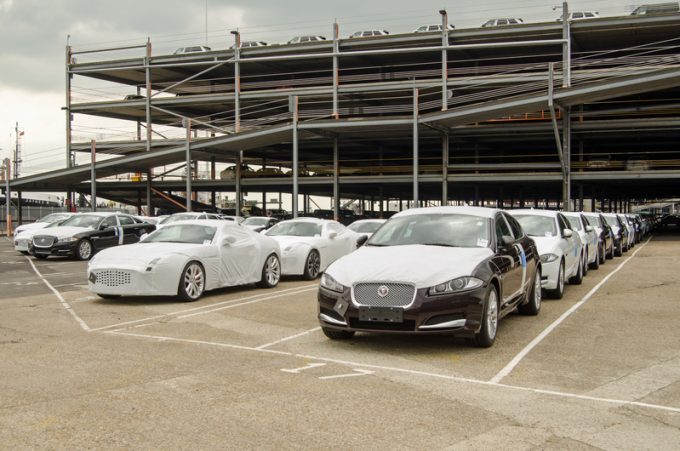
Automotive will be the biggest winner from last week’s UK-US trade deal, with Jaguar Land Rover in pole position to capitalise, but there are question marks over the deal’s ultimate benefits.
Under the deal, the US will cut tariffs on imported UK cars from 27.5% to 10%, but only for the first 100,000 each year, and reduce tariffs on UK steel exports, while the UK will remove its 20% tariff on US beef.
One forwarder said this morning there would be an immediate benefit for Jaguar Land Rover (JLR) and its 30,000 employees in the UK as reports had begun to circulate that the car maker was set to begin mass layoffs as a result of lost US trade.
“Jaguar will start shopping its cars again,” the forwarder told The Loadstar, although noting that this was largely ro-ro traffic.
JLR CEO Adrian Mardell welcomed the news, claiming it had helped retain some 250,000 jobs associated with the car maker.
Car buyers on both sides of the Atlantic had been facing huge increases in the price of vehicles, The Guardian estimating that the cheapest Range-Rover would have cost $12,500 (£9,400) more than before tariffs.
Nonetheless, the news means UK cars sold in the US will still cost 7.5% more than two months ago.
Transport Intelligence CEO John Manners-Bell told The Loadstar he believes the deal has some merit, but it would be “quite marginal, and would be on a sector by sector basis”, singling out automotive as an obvious beneficiary.
“But I am not entirely sure how material and relevant this trade deal will be in terms of trade volumes between the two countries,” Mr Manners-Bell added.
“Only time will tell. That said, I do think there is an importance in signing these sorts of agreements with the major economies around the world, even if the relevance of them to industry is not sweeping.”
Asked whether forwarders thought there would be a notable spike in volumes from the US trade deal, they said: “Demand won’t grow”.
One added: “I think what will happen is that demand may even soften as consumers in the US see prices rise. I do not think anything has really changed on the tariffs side. Ironically, time will be the judge of Trump’s overwhelming ‘shock and awe’ approach.”
Get up to speed on all things supply chain!
For uninterrupted access, sign in or sign up to The Daily News, Premium or The Loadstar Enterprise Plan.
Comment on this article