UP CEO Vena blasts rivals: mega-merger 'is enhancement of competition'
45 minutes to fill? No problem…

WTC: NO LUCKCHRW: 'NUCLEAR VERDICT'DSV: DEEP CUTKNIN: UPGRADEDKNIN: AI BENEFITSKNIN: NOT WORTH ITPLD: DEAL TIMEKNIN: CONF CALL CLOSING KNIN: PRICING POWER KNIN: MARKET SHARE GAINS IN ROAD KNIN: AI-RELATED COST INFLATION OUTLOOKKNIN: APEX LOGISTICS IPO UPDATEKNIN: QUESTION TIMEKNIN: 'COST REDUCTION PROGRAMME IS ON TRACK'KNIN: CFO REMARKSKNIN: MONETARY IMPACT FROM AI KNIN: AI UPSIDEKNIN: STRONG ROAD UNIT DELIVERY KNIN: AIR LOGISTICS SHINES
WTC: NO LUCKCHRW: 'NUCLEAR VERDICT'DSV: DEEP CUTKNIN: UPGRADEDKNIN: AI BENEFITSKNIN: NOT WORTH ITPLD: DEAL TIMEKNIN: CONF CALL CLOSING KNIN: PRICING POWER KNIN: MARKET SHARE GAINS IN ROAD KNIN: AI-RELATED COST INFLATION OUTLOOKKNIN: APEX LOGISTICS IPO UPDATEKNIN: QUESTION TIMEKNIN: 'COST REDUCTION PROGRAMME IS ON TRACK'KNIN: CFO REMARKSKNIN: MONETARY IMPACT FROM AI KNIN: AI UPSIDEKNIN: STRONG ROAD UNIT DELIVERY KNIN: AIR LOGISTICS SHINES
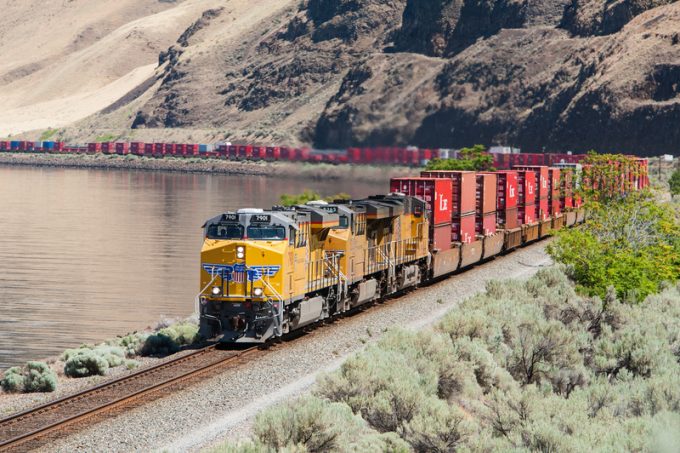
The US Surface Transportation Board (STB) is having another go at reciprocal switching, which would facilitate shipper access to rail carriers that do not serve their locations.
Set against the backdrop of the merger plan of Union Pacific (UP) and Norfolk Southern (NS), this time there appears to be less opposition.
The STB has issued a notice of proposed rulemaking on the issue, which proposes to repeal the existing regulatory framework. This would eliminate the need for shippers to demonstrate “anticompetitive conduct” in order to obtain competitive access relief, and would give the STB discretion to rule on shipper petitions in a case-by-case manner.
The regulator has the authority to grant shippers permission to select a different rail carrier and use one serving their location to move their cargo to an interchange point. But this has never happened, as the STB pointed out in its announcement. The existing rules put the onus on shippers to demonstrate “anti-competitive” behaviour by the carrier, or that its service has fallen below acceptable levels.
Moreover, the STB argues, the regulations, which date back to 1985, are outdated and do not reflect current conditions.
“This proposal would embrace market forces, enable meaningful choice for American businesses as provided under the statutes, and eliminate regulatory barriers unnecessarily stifling rail competition,” said STB chair Patrick Fuchs.
“By proposing to remove these regulations, the board would return to the text of statutes that advance excellence, entrepreneurship, and innovation to support economic growth and supply chain resilience.”
The STB refrained from pushing for ‘open access’ that would automatically entitle shippers to request reciprocal switching. The proposed rule would leave it to the regulator to assess applications on a case-by-case basis, and carriers have the right to object.
The previous regulatory proposal, which the STB established in April 2024, had been met with firm resistance from the rail carriers, which led to an appeals court hearing last July. That concluded that the regulator had overstepped its authority in an “arbitrary” and “capricious” manner.
Public comments on the proposed new rule are due by 10 March, and reply comments can be filed up to 14 days after that date.
Some shipper interest groups have welcomed the proposal. The National Industrial Transportation League (NITL) is in favour and the American Chemistry Council (ACC) commented that it could lower barriers for customers facing poor service levels or exorbitant pricing by their incumbent carrier. And it pointed out that no shipper had ever successfully appealed for reciprocal switching.
The ACC is one of several shipper organisations to voice opposition to the planned UP-NS merger, warning it would reduce options for customers and result in higher pricing.
The deal, which would create the first transcontinental US rail operator, is looming large over the access issue, as several commentators have pointed out. The White House appears inclined to give it the green light, having a track record of trying to interfere with regulators. President Trump fired Democrat STB chairman Robert Primus last August. He has sued the president over his dismissal – a step that tilted the political balance on the STB board.
The regulator should have its hands full dealing with the merger application, which was filed last month, so the timing of the rulemaking drive has raised some eyebrows.
The proposed rule to lower the hurdles to reciprocal access could be seen as a move to weaken opposition to the UP-NS merger. Whether or not shippers will find access to third-party rail carriers easier remains to be seen. As the NITL pointed out, repealing the old regulations is not enough. The outcome will depend on how the STB uses its authority, and how clearly it articulates standards and enforcement mechanisms, says the shipper organisation.
For uninterrupted access, sign in or sign up to The Daily News, Premium or The Loadstar Enterprise Plan.
Comment on this article