Projectile-hit HMM boxship set to leave Hormuz
HMM Namu, the box ship reportedly damaged in a projectile attack in the Strait of ...

GM: TRADING UPDATE OUTUPS: REMEMBER THE TAILWINDS PLD: NEW RELEASEPLD: OUCHVW: NEW PARTNERS SOUGHTEXPD: AIRCRAFT ON GROUND SERVICESTSLA: JUST AS VW STRUGGLESBA: NEW BIG ORDERBA: THE ORDERBOOK GROWSPLD: PUSHING FOR A DEAL PLD: TIME TO DEALEXPD: ANOTHER ALL-TIME HIGH CHRW: NEW RECORD DSV: AHEAD OF EARNINGS RELEASE JBHT: NEW HIGHS EVERYWHERE
GM: TRADING UPDATE OUTUPS: REMEMBER THE TAILWINDS PLD: NEW RELEASEPLD: OUCHVW: NEW PARTNERS SOUGHTEXPD: AIRCRAFT ON GROUND SERVICESTSLA: JUST AS VW STRUGGLESBA: NEW BIG ORDERBA: THE ORDERBOOK GROWSPLD: PUSHING FOR A DEAL PLD: TIME TO DEALEXPD: ANOTHER ALL-TIME HIGH CHRW: NEW RECORD DSV: AHEAD OF EARNINGS RELEASE JBHT: NEW HIGHS EVERYWHERE
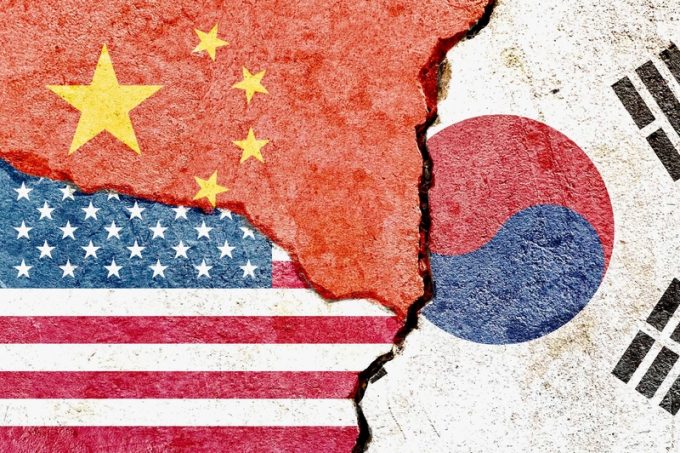
The South Korean government has asked the US Trade Representative not to impose its port call fees on vessels carrying its vehicle exports to the US.
From 14 October, non US-built car-carriers face fees of $150 per ceu at US ports, a move to revive the US shipbuilding industry – of around 1,500 car-carriers in service, only 39 are US-built.
The Ministry of Trade, Industry and Energy wrote to the USTR on Friday, expressing concerns that the policy would disadvantage its carmakers, particularly Hyundai and its subsidiary, Kia.
Hyundai has its own shipping company, Hyundai Glovis, whose 40 car-carriers were built in South Korea and China.
French manufacturer Renault also makes cars in South Korea through a joint-venture with China’s Geely Automobile and Samsung Card, while other South Korean carmakers include KG Mobility, which took over SsangYong operations.
MOTIE told the USTR: “The imposition of entry fees on car-carrier ships will, contrary to the intended purpose, place a significant burden on related industries in both countries and go against the mutually beneficial trade relationship between South Korea and the US.”
South Korea’s new trade minister, Yeo Han-koo, had met USTR Jamieson Greer in the US last Thursday, also seeking to eliminate US tariffs on South Korea’s vehicle and steel exports.
The letter added: “The South Korean government respectfully requests that the imposition of entry fees for car-carrier ships be clearly defined and limited to the originally targeted countries, consistent with the original purpose of the measure.”
The ministry also requested limiting the number of times the port fees can be imposed, as car-carriers often enter US ports several times a year.
Get up to speed on all things supply chain with our latest episode!
For uninterrupted access, sign in or sign up to The Daily News, Premium or The Loadstar Enterprise Plan.
Comment on this article