Regional trade boom could reshape container shipping for a ‘golden decade’
The gradual regionalisation of global supply chains is becoming one of the most important trends ...


KNIN: AI TECH ADVANTAGEPLD: TRADING UPDATE ON THE WAY KNIN: UPSIDEJBHT: STRONG TRADING UPDATE DSV: EVERY LITTLE HELPSJBHT: CEO REMARKS WMT: VERTICAL INTEGRATION IN LOGISTICSJBHT: HERE WE GOPG: STEADYEXPD: NEW RECORD BA: DELIVERIES
KNIN: AI TECH ADVANTAGEPLD: TRADING UPDATE ON THE WAY KNIN: UPSIDEJBHT: STRONG TRADING UPDATE DSV: EVERY LITTLE HELPSJBHT: CEO REMARKS WMT: VERTICAL INTEGRATION IN LOGISTICSJBHT: HERE WE GOPG: STEADYEXPD: NEW RECORD BA: DELIVERIES
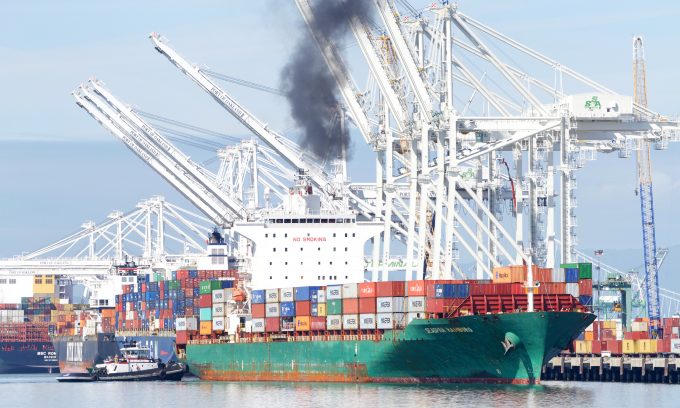
Pressure is mounting on the International Maritime Organization to come up with a deal that will see the industry reach net zero emissions by 2050, not least from the World Bank, which may perhaps be more concerned with the emerging banking crisis.
Discussions at the IMO’s intersessional group will inform the July Marine Environment Protection Committee, the body that decides the direction for maritime decarbonisation. An excellent article in The Guardian reveals that pressure from those outside of the industry, led by the World Bank, suggests a carbon levy could help less well-off nations limit the effects of climate change. While the World Bank’s view is not original it is an indication of how climate issues are now permeating through from individual industries to the mainstream population.
For uninterrupted access, sign in or sign up to The Daily News, Premium or The Loadstar Enterprise Plan.

Comment on this article