Cargo chaos in North Asian ports as Typhoon Bavi blows in
Typhoon Bavi created chaos in North Asian ports over the weekend, with nearly 2m teu ...

TSLA: JUST AS VW STRUGGLESBA: NEW BIG ORDERBA: THE ORDERBOOK GROWSPLD: PUSHING FOR A DEAL PLD: TIME TO DEALEXPD: ANOTHER ALL-TIME HIGH CHRW: NEW RECORD DSV: AHEAD OF EARNINGS RELEASE JBHT: NEW HIGHS EVERYWHEREPLD: STRONG DELIVERYJBHT: FAIR-VALUE CONSENSUS ESTIMATE AT ALL-TIME HIGH KNIN: AI TECH ADVANTAGEPLD: TRADING UPDATE ON THE WAY KNIN: UPSIDE
TSLA: JUST AS VW STRUGGLESBA: NEW BIG ORDERBA: THE ORDERBOOK GROWSPLD: PUSHING FOR A DEAL PLD: TIME TO DEALEXPD: ANOTHER ALL-TIME HIGH CHRW: NEW RECORD DSV: AHEAD OF EARNINGS RELEASE JBHT: NEW HIGHS EVERYWHEREPLD: STRONG DELIVERYJBHT: FAIR-VALUE CONSENSUS ESTIMATE AT ALL-TIME HIGH KNIN: AI TECH ADVANTAGEPLD: TRADING UPDATE ON THE WAY KNIN: UPSIDE
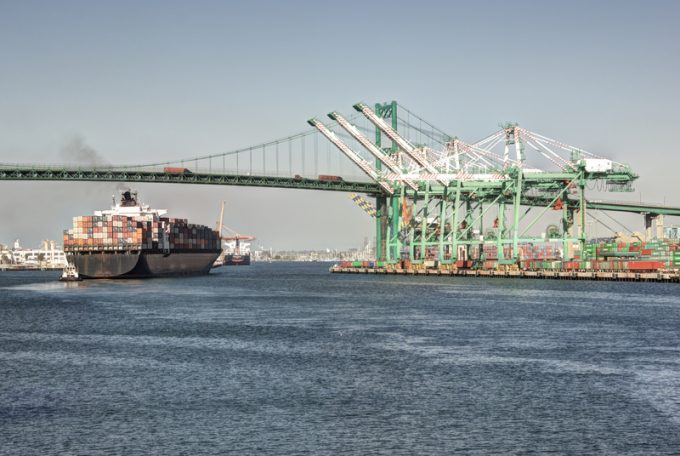
Within a month, liner operators have lost the gains they achieved on the transpacific.
While the Shanghai Containerised Freight Index on Friday showed Shanghai-US West Coast rates fell nearly 27% from the previous week to $4,120 per 40ft, the current actual rate is closer to $3,000 per 40ft, according to consultancy Linerlytica.
Linerlytica said: “Carriers are giving up most of the gains that they have made since the Sino-US tariff truce in mid-May. Cargo volumes were insufficient to support the rise in over capacity to the west coast which rose to a 10-month high of 389,000 teu in week 23.”
Sea-Intelligence said early this month that aggregated across June/July for Asia-US West Coast, then this month, the lines have increased capacity by nearly 13% compared with before the tariff pause, and in July, the capacity injection will increase to 17%, compared with the pre-pause situation.
Sea-Intelligence said the geopolitical turmoil of the last 18 months had provided plenty of opportunities for traditionally regional carriers to re-enter the transpacific market. These carriers entered the market when rates hit a historical high during Covid-19, only to exit when rates normalised.
These opportunistic players went from offering 7% of the weekly Asia-US West Coast capacity in January 2024 to 13% by May 2025.
Rates to the east coast are still holding up, with SCFI registering a smaller drop of just 3% to $6,745 per feu, but carriers have also started to slash rates to below $5,000 per feu.
Maersk Line has again, been singled out for aggressive rate-cutting.
Despite market uncertainty, Linerlytica pointed out that carriers are still holding to their tonnage even though plans to add more capacity to the US routes have been shelved, with very few post-panamax ships available for charter.
For uninterrupted access, sign in or sign up to The Daily News, Premium or The Loadstar Enterprise Plan.
Comment on this article