Carriers roll out hefty surcharges as demand rises in 'hot' Indian markets
Container lines serving Indian trades are taking advantage of massive capacity demand from local exporters. According ...

PLD: PROPOSAL DETAILSPLD: FINAL OFFERDSV: ROAD CEO MATTERSDSV: VOLUME PROGRESSION IN SEA FREIGHT DSV: TIME TO INCREASE THE VOLUMES IN SEA FREIGHTDSV: HEADCOUNT DISCREPANCIESDSV: TRASHEDDSV: IT IS A MATTER OF TRUSTDSV: FREE CASH FLOW QUESTIONEDDSV: QUESTION TIMEDSV: CEO ON SCHENKER INTEGRATIONDSV: CFO PREPARED REMARKSDSV: CEO PREPARED REMARKSDSV: CONF CALL FWRD: SHOOTING UPKNX: TRADING UPDATE ON THE WAY GM: TRADING UPDATE OUTUPS: REMEMBER THE TAILWINDS
PLD: PROPOSAL DETAILSPLD: FINAL OFFERDSV: ROAD CEO MATTERSDSV: VOLUME PROGRESSION IN SEA FREIGHT DSV: TIME TO INCREASE THE VOLUMES IN SEA FREIGHTDSV: HEADCOUNT DISCREPANCIESDSV: TRASHEDDSV: IT IS A MATTER OF TRUSTDSV: FREE CASH FLOW QUESTIONEDDSV: QUESTION TIMEDSV: CEO ON SCHENKER INTEGRATIONDSV: CFO PREPARED REMARKSDSV: CEO PREPARED REMARKSDSV: CONF CALL FWRD: SHOOTING UPKNX: TRADING UPDATE ON THE WAY GM: TRADING UPDATE OUTUPS: REMEMBER THE TAILWINDS
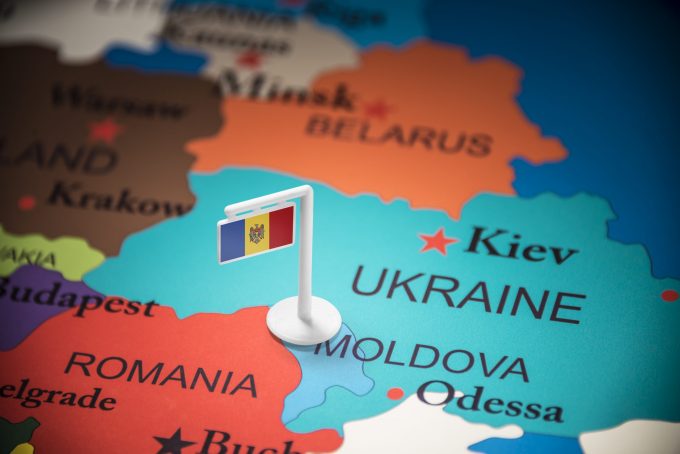
MSC is expanding its footprint in Ukraine’s logistics sector, with investments via subsidiaries, as Kiev ups efforts to attract business back, despite no signs of the war ending.
Medlog and HHLA, both subsidiaries of the world’s largest container line, announced they were pumping more funds into rail infrastructure projects, with HHLA taking a 60% stake in Eurobridge Intermodal Terminal in Batiovo, western Ukraine.
A spokesperson for the terminal operator told The Loadstar the region around Batiovo was “far from the active conflict zone”.
“This limits the immediate risk. Nevertheless, we are taking a proactive approach by implementing measures to adequately address potential emergency situations.”
Located near EU borders, at an intersection of several international railway corridors, HHLA said the terminal was an important hub for freight between Ukraine, Hungary, and Slovakia.
Operated in partnership with Ukrainian investment company Fortior Capital, the investment from HHLA will fund a major expansion, which it said would allow the terminal to handle some 100,000 teu annually, while leaving space for capacity to be expanded if needed.
A fortnight before HHLA’s news, MSC’s logistics unit, Medlog, announced several purchases, including a 25% stake in Mostyska, a container terminal on the border with Poland.
More interestingly, it also bought 50% of N’UNIT, an intermodal terminal operator with businesses in Dnipro, Kharkiv, and Kyiv, all of which are well within the sphere of conflict, and with Russia recently stepping up attacks against civilians and civilian infrastructure.
Asked if HHLA’s investment came on the back of the Ukrainian government’s search for external investment for its embattled logistics infrastructure, the spokesperson said: “No, the terminal is ideally located on the border between Ukraine, Hungary, and Slovakia, and we see great potential in this region and want to expand this logistics corridor, together with our local partner.”
But strengthening logistics capabilities between Ukraine and its European neighbours has gained increased importance. And sandwiched between the HHLA and Medlog investment news, Ukrainian officials met with European counterparts to focus on ways of improving logistics infrastructure around the Danube, seen as pivotal for the country’s future economic recovery.
Head of the Ukrainian Sea Ports Authority Oleksandr Semirga said: “The Danube ports have become Ukraine’s key logistical gateway to Europe. Therefore, it is important to develop and increase systematic, transparent and technological cooperation with Romanian and European partners now.”
And Mr Semirga noted that all sides appeared to be in agreement on improving Ukraine’s logistics capabilities.
That need, however, will prompt the need for substantial investment – some 400 port facilities alone have been damaged since the Russian invasion.
Ukraine’s deputy minister for communities and territories development, Andrii Kashuba, said last week: “Preliminary estimates show that restoring Ukraine’s port infrastructure will cost no less than €1bn. This figure forms the basis of our strategic recovery plan.”
Get up to speed on all things supply chain with our latest News in Brief!
For uninterrupted access, sign in or sign up to The Daily News, Premium or The Loadstar Enterprise Plan.
Comment on this article