Monopoly fears as MSC buys into Vizhinjam Port
Container transhipment momentum at India’s Vizhinjam Port is set to accelerate, with global liner leader ...


WTC: 'ONE RECORD'HLAG: EARNINGS GUIDANCE UPGRADE AAPL: GLOBAL SMARTPHONE SHIPMENTS VW: THE IMPACT VW: MASSIVE JOB CUTS CONFIRMEDEXPD: BULLISHCHRW: POSITIONING AHEAD OF EARNINGSAMZN: IN THE NUMBERSAMZN: PEOPLE MATTER UNTILVW: THE LAST CUT IS THE DEEPESTJBHT: GEARING UP VW: BUYING TIMER: BIG VOTE OF CONFIDENCEAAPL: BEARISH HEDGEYE
WTC: 'ONE RECORD'HLAG: EARNINGS GUIDANCE UPGRADE AAPL: GLOBAL SMARTPHONE SHIPMENTS VW: THE IMPACT VW: MASSIVE JOB CUTS CONFIRMEDEXPD: BULLISHCHRW: POSITIONING AHEAD OF EARNINGSAMZN: IN THE NUMBERSAMZN: PEOPLE MATTER UNTILVW: THE LAST CUT IS THE DEEPESTJBHT: GEARING UP VW: BUYING TIMER: BIG VOTE OF CONFIDENCEAAPL: BEARISH HEDGEYE
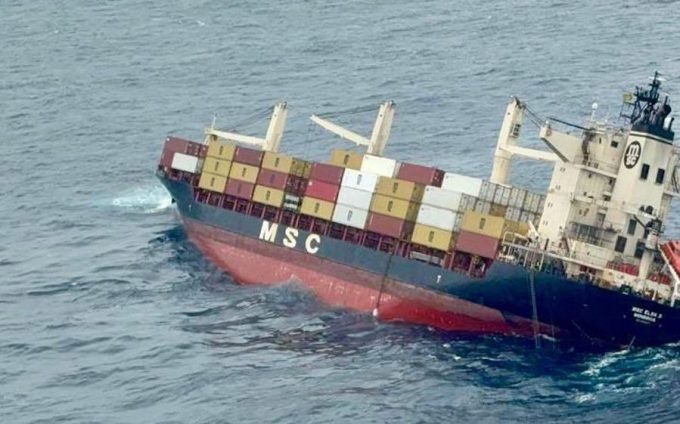
MSC has denied reports of any major environmental or pollution issues due to the recent sinking of the MSC Elsa 3 off Cochin along the Indian coastline on 25 May.
That claim was made by the Geneva-based carrier in response to litigation it is facing before the Kerala high court, according to industry sources.
MSC also claimed that all the 643 containers aboard the ship had been properly declared, with hazardous boxes – pegged at 244 – containing only legally permitted goods.
Additionally, the carrier ruled out any sort of navigational hazard for marine traffic, including fishing activities, due to the capsized ship.
One petition is seeking some $135m in damages for the alleged environmental impact, according to sources. Various lapses have been cited before the court by petitioners against the carrier, including cargo misdeclarations.
MSC is dealing with multiple lawsuits in the Kerala high court over the ship casualty. The repercussions are already haunting the carrier as it has had to make significant security deposits to release two sister ships ordered to be detained by the court at Vizhinjam port for recovery of claims raised by local traders, who had allegedly suffered heavy financial losses.
The MSC Manasa F was allowed to sail out of Vizhinjam after submitting a security deposit of about $700,000.
The 28 year-old MSC Elsa 3 was one among many feeder ships MSC had deployed out of the Vizhinjam for regional transhipment flow.
The carrier has significantly expanded container relays out of Vizhinjam as it deploys more ad-hoc vessels in its operations. Most ultra-large containerships in MSC’s modern fleet have already visited Vizhinjam — a call by the 23,756-teu MSC Gulsun on 22 June the most recent.
The MSC Gulsun reportedly became the 363rd MSC call at Vizhinjam, joining the likes of the MSC Irina, MSC Turkiyeand MSC Michel Cappellini since the port began commercial operations in December 2024.
According to new data, the Adani Group-managed deep-water terminal, touted as the first semi-automated facility in South Asia, has handled some 800,000 teu through the end of June, making it the busiest container gateway across India’s southern region.
In June, Vizhinjam saw 99,970 teu, data shows.
Meanwhile, MSC has reorganised the port rotation of its Himalaya Express (HEX) service between India and Europe/Mediterranean to include a direct call at Vizhinjam – a third stop for the service in India, in addition to Nhava Sheva and Mundra ports.
That brings the number of MSC’s regular mainline calls at Vizhinjam to three, including the Jade and Dragon services under its East/West network between Asia and Europe/Mediterranean.
You can contact the writer at [email protected].
For uninterrupted access, sign in or sign up to The Daily News, Premium or The Loadstar Enterprise Plan.

Comment on this article