Transpacific the top earner as a strong Q2 boosts OOCL revenue
OOCL’s second-quarter trading update has reinforced signs of a stronger-than-expected container shipping market, the carrier ...

WTC: 'ONE RECORD'HLAG: EARNINGS GUIDANCE UPGRADE AAPL: GLOBAL SMARTPHONE SHIPMENTS VW: THE IMPACT VW: MASSIVE JOB CUTS CONFIRMEDEXPD: BULLISHCHRW: POSITIONING AHEAD OF EARNINGSAMZN: IN THE NUMBERSAMZN: PEOPLE MATTER UNTILVW: THE LAST CUT IS THE DEEPESTJBHT: GEARING UP VW: BUYING TIMER: BIG VOTE OF CONFIDENCEAAPL: BEARISH HEDGEYE
WTC: 'ONE RECORD'HLAG: EARNINGS GUIDANCE UPGRADE AAPL: GLOBAL SMARTPHONE SHIPMENTS VW: THE IMPACT VW: MASSIVE JOB CUTS CONFIRMEDEXPD: BULLISHCHRW: POSITIONING AHEAD OF EARNINGSAMZN: IN THE NUMBERSAMZN: PEOPLE MATTER UNTILVW: THE LAST CUT IS THE DEEPESTJBHT: GEARING UP VW: BUYING TIMER: BIG VOTE OF CONFIDENCEAAPL: BEARISH HEDGEYE
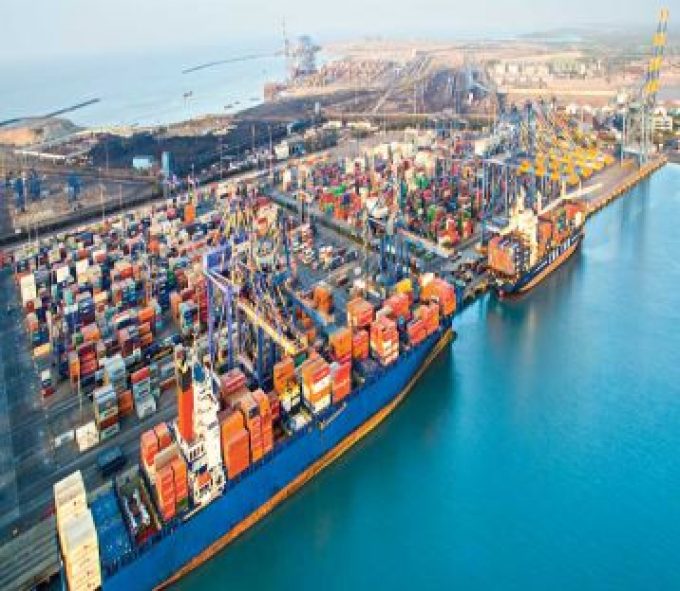
Terminal operators across major Indian ports have opportunistically increased their container handling charges (THCs), sparking another layer of pain for cargo owners facing the brunt of Middle East-related surcharges.
THCs are normally collected by carriers on behalf of their shippers, so revisions ultimately also become a profit bonanza for container lines with mark-up attempts.
For example, the fees levied by DP World-operated Mundra International Container Terminal (MICT) have already been raised substantially, effective on Friday, by 15% to 20%, according to industry sources.
A customer advisory from Emirates Shipping Line (ESL) said THCs on a 20ft dry container would be up to INR15,500 (approximately $163) from INR13,700, and for a 40ft dry box INR23,450 from INR20,750. And to almost $600 for a 40ft reefer.
There are indications that other terminals in Mundra will follow suit soon and sources have also reported THC increases at some of the terminals in Nhava Sheva (JNPA).
Singapore-based container line ONE recently published a revised scale of THC rates for exports/imports handled across JNPA terminals “applicable across all tradelanes and services and be valid till further notice”, the carrier told customers.
Carriers normally act in unison when it comes to announcing THC revisions. Hapag-Lloyd reportedly raised the THCs it collects from Indian customers on 1 April, with another round of changes likely soon, industry sources said.
Additionally, there is no uniformity among terminals, even within a port, on the level of charges applied.
Pro-shipper groups and policymakers have tried in vain to regulate THCs, meeting stiff resistance from carriers, across markets.
JNPA and Mundra account for the lion’s share of Indian containerised volumes. Both ports have seen a wave of ad-hoc vessel calls resulting from Middle East trade diversions, choking yards with transhipment containers.
Meanwhile, Indian exports in fiscal year 2025-26 were relatively flat year on year, due to the impact of geopolitical shocks. Total export trade by value edged up to around $442bn from $438bn, data shows.
Officials at the Federation of Indian Export Organisations (FIEO) claimed accelerated market diversification efforts were helpful in keeping export trade in a positive trajectory.
“With continued policy support and trade facilitation, India is well poised to enhance its share in global trade and move towards becoming a leading export powerhouse,” it said.
For uninterrupted access, sign in or sign up to The Daily News, Premium or The Loadstar Enterprise Plan.

Comment on this article