Incheon Port aims to boost container flows from Malaysia and India
South Korea’s Incheon port is seeking to open more container shipping links with Malaysia’s Port ...

GM: TRADING UPDATE OUTUPS: REMEMBER THE TAILWINDS PLD: NEW RELEASEPLD: OUCHVW: NEW PARTNERS SOUGHTEXPD: AIRCRAFT ON GROUND SERVICESTSLA: JUST AS VW STRUGGLESBA: NEW BIG ORDERBA: THE ORDERBOOK GROWSPLD: PUSHING FOR A DEAL PLD: TIME TO DEALEXPD: ANOTHER ALL-TIME HIGH CHRW: NEW RECORD DSV: AHEAD OF EARNINGS RELEASE JBHT: NEW HIGHS EVERYWHERE
GM: TRADING UPDATE OUTUPS: REMEMBER THE TAILWINDS PLD: NEW RELEASEPLD: OUCHVW: NEW PARTNERS SOUGHTEXPD: AIRCRAFT ON GROUND SERVICESTSLA: JUST AS VW STRUGGLESBA: NEW BIG ORDERBA: THE ORDERBOOK GROWSPLD: PUSHING FOR A DEAL PLD: TIME TO DEALEXPD: ANOTHER ALL-TIME HIGH CHRW: NEW RECORD DSV: AHEAD OF EARNINGS RELEASE JBHT: NEW HIGHS EVERYWHERE
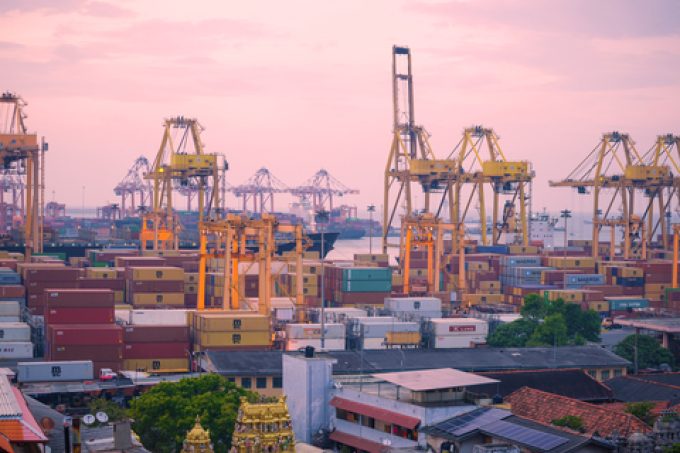
The recent India-Pakistan tension, which resulted in bilateral port and trade restrictions, seems to have become a major windfall for Sri Lanka’s Colombo port, which was seeing a steady slowdown in traffic.
Container volumes passing through Colombo terminals strongly rebounded in May, reaching a new high among recent months, according to local industry sources.
Combined volumes hit some 701,000 teu last month, soaring 12.5% month on month, and compares with March’s 647,053 teu.
“This is a sharp increase from the recent trendline, after the Red Sea-linked boost in the first half of 2024 flattened out,” a port source told The Loadstar. “We are extrapolating preliminary data to have a clear measure of the growth, including for transhipment and local cargo volumes.”
Historically, Colombo thrives on transhipment, which generally accounts for about 85% of its business.
Following the tit-for-tat trade ban imposed by India and Pakistan, in early May ocean carriers stopped calling at Pakistan ports on services from India, leaving them with no other option but to reroute Pakistan cargo over other hub ports in the region.
A flurry of shuttle services began, connecting Karachi/Port Qasim to Colombo to handle cargo meant for transhipment.
In addition to the Pakistan diversions, more volumes to and from Bangladesh are believed to have landed in Colombo, in the wake of more strained relations, this time between New Delhi and Dhaka.
Curbs hit Bangladesh trade last month, with Indian Customs cutting off the traditional land access for a range of incoming goods, notably Dhaka’s mainstay ready-made garment (RMG) exports. Instead, Bangladeshi goods are now only allowed to enter India through Kolkata and Nhava Sheva ports, making supply chains more expensive and challenging.
Colombo’s transhipment volumes had been under pressure, because of persistent volatile demand conditions: they were down 5.8% year on year in April, the fourth consecutive monthly decline, according to available data.
On top of that, the hub port recently added 1.5m teu capacity from Adani Group-developed Colombo West International Terminal (CWIT) amid growing port competition in the region, as MSC’s interest in southern India’s Vizhinjam port for container relays gained rapid momentum.
Adani remains bullish on the Colombo project, the fifth box facility in the harbour, as it strives to expand its global network reach beyond the Indian market field.
“[CWIT] is the first deepwater terminal in Colombo to be fully automated, designed to enhance cargo handling capabilities, improve vessel turnaround times, and elevate the port’s status as a key transhipment hub in South Asia,” said Adani.
But sources in Colombo tried to downplay the growth challenges building in the region from new projects. One industry source in Colombo said: “Vizhinjam is a competitor, but we don’t view it as a threat as of now.
“There is enough cargo for everyone to compete for and keep their terminals reasonably busy.”
You can reach the writer at [email protected]
For uninterrupted access, sign in or sign up to The Daily News, Premium or The Loadstar Enterprise Plan.
Comment on this article