Monsoon storms bring added disruption to India's west coast ports
Monsoon storms along India’s west coast have exacerbated supply chain disruption for containerised freight moving ...

GM: TRADING UPDATE OUTUPS: REMEMBER THE TAILWINDS PLD: NEW RELEASEPLD: OUCHVW: NEW PARTNERS SOUGHTEXPD: AIRCRAFT ON GROUND SERVICESTSLA: JUST AS VW STRUGGLESBA: NEW BIG ORDERBA: THE ORDERBOOK GROWSPLD: PUSHING FOR A DEAL PLD: TIME TO DEALEXPD: ANOTHER ALL-TIME HIGH CHRW: NEW RECORD DSV: AHEAD OF EARNINGS RELEASE JBHT: NEW HIGHS EVERYWHERE
GM: TRADING UPDATE OUTUPS: REMEMBER THE TAILWINDS PLD: NEW RELEASEPLD: OUCHVW: NEW PARTNERS SOUGHTEXPD: AIRCRAFT ON GROUND SERVICESTSLA: JUST AS VW STRUGGLESBA: NEW BIG ORDERBA: THE ORDERBOOK GROWSPLD: PUSHING FOR A DEAL PLD: TIME TO DEALEXPD: ANOTHER ALL-TIME HIGH CHRW: NEW RECORD DSV: AHEAD OF EARNINGS RELEASE JBHT: NEW HIGHS EVERYWHERE
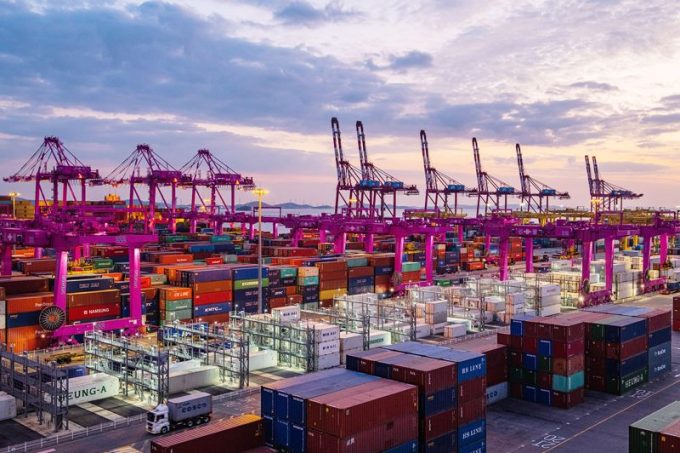
South Korea’s Incheon port is seeking to open more container shipping links with Malaysia’s Port Klang and India’s emerging market.
Incheon Port Authority (IPA) officials and representatives of South Korean liner operators HMM, KMTC Line, and Namsung Shipping visited Port Klang and India recently.
The geopolitical crisis in the Middle East has seen Port Klang-Incheon cargo flows drop 34% last year and another 13% in the first five months of this year.
Malaysia’s main container port is South-east Asia’s busiest, after Singapore, and by strengthening its relationship with Port Klang, Incheon, the gateway into the Seoul metropolitan area, can tap into the region’s vast network of feeder services and shipping routes, allowing it to offer shippers more destinations without needing to establish direct services to each.
Port Klang has successfully competed with nearby ports like Singapore by offering significantly lower transhipment costs, sometimes up to 30%-40% lower, and for shipping lines, this makes it a highly cost-effective option.
Port Klang is also seen as an alternative way to get South Korean exports, especially batteries, to South-east and South Asia and the Middle East, as Asian ports become more congested.
Despite the high volumes, Port Klang has shown its ability to manage congestion, through strategies like diverting ships between its two main terminals (Northport and Westport), and streamlining gate operations.
The South Korean delegates went on to Chennai. Container flows between Incheon and India grew 37% year on year between January and May, and IPA plans a new direct shipping service.
IPA VP (operations) Kim Sang-ki said: “We’re actively working to open up shipping routes for the smooth local export of promising South Korean exports like cosmetics, food, and fashion.”
Watch the latest episode of The Loadstar Podcast to understand El Nino and how it will impact shipping:
For uninterrupted access, sign in or sign up to The Daily News, Premium or The Loadstar Enterprise Plan.
Comment on this article