BAL re-enters liner trades with transpacific loader
Opportunistic Chinese shipowner BAL Container Line is making a selective comeback to the transpacific trade, ...

EXPD: AIRCRAFT ON GROUND SERVICESTSLA: JUST AS VW STRUGGLESBA: NEW BIG ORDERBA: THE ORDERBOOK GROWSPLD: PUSHING FOR A DEAL PLD: TIME TO DEALEXPD: ANOTHER ALL-TIME HIGH CHRW: NEW RECORD DSV: AHEAD OF EARNINGS RELEASE JBHT: NEW HIGHS EVERYWHEREPLD: STRONG DELIVERYJBHT: FAIR-VALUE CONSENSUS ESTIMATE AT ALL-TIME HIGH KNIN: AI TECH ADVANTAGEPLD: TRADING UPDATE ON THE WAY
EXPD: AIRCRAFT ON GROUND SERVICESTSLA: JUST AS VW STRUGGLESBA: NEW BIG ORDERBA: THE ORDERBOOK GROWSPLD: PUSHING FOR A DEAL PLD: TIME TO DEALEXPD: ANOTHER ALL-TIME HIGH CHRW: NEW RECORD DSV: AHEAD OF EARNINGS RELEASE JBHT: NEW HIGHS EVERYWHEREPLD: STRONG DELIVERYJBHT: FAIR-VALUE CONSENSUS ESTIMATE AT ALL-TIME HIGH KNIN: AI TECH ADVANTAGEPLD: TRADING UPDATE ON THE WAY
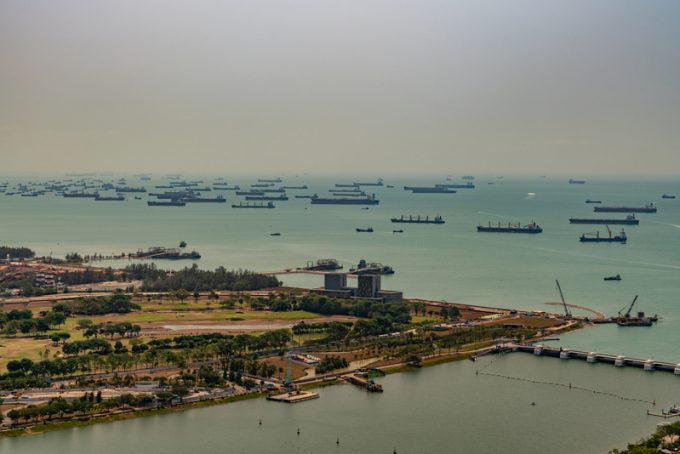
The end of the early peak season and a truncated US east coast port strike has led to a lull in active tonnage in the global liner fleet, with Alphaliner pointing to an increase in the number of idle vessels over the past fortnight, to a total 245,000 teu.
“Alphaliner’s latest fortnightly survey, on 21 October, tallied 71 ships with a total capacity of more than 245,000 teu as commercially idle,” this week’s research note says, adding that the idled fleet now “equals just 0.8% of the world’s 30m teu liner fleet”.
These tend to be the larger vessels – with the exception of those of 18,000 teu or more.
Meanwhile, vessels of 3,000 teu and below saw an increase in hiring activity, and “the last couple of weeks have seen a healthy volume of fixing” for these.
Shipowners are apparently taking an opportunity to get vessels booked in for repair, maintenance and retrofit, with the number in shipyards ticking up by 85,000 teu over the past two weeks.
Meanwhile, despite the increased number of idle vessels, the charter market remains “astonishing”, noted Alphaliner, “considering the various headwinds the sector is facing”.
Cape of Good Hope diversions continue to soak up the onslaught of new container tonnage. However, the Cape route is having a pronounced effect on CO2 pollution from ships, according to Xeneta data, with record high emissions recorded in Q3. Xeneta’s carbon emissions index (CEI) is up 12.2%, compared with last year.
CEI averages for the Far East to Mediterranean trade increased 60.1% year on year, compared with Q3 23, which, although unsurprising given the extra distance added, cannot be accounted for by voyage length alone – for, as well as travelling longer distances, vessels are also speeding up.
“Falling filling factors is also leading to higher emissions per tonne of cargo carried. This is largely due to a deteriorating trade balance, with exports from Europe and US to the Far East growing at a much slower rate, 0.3% in the first eight months, year on year, than volumes on the front haul, at 7.7% year on year.
“Reducing carbon emissions falls down the priority list at times of increasing congestion, tightening capacity and spiralling freight rates,” Xeneta analyst Emily Stausbøll writes.
For uninterrupted access, sign in or sign up to The Daily News, Premium or The Loadstar Enterprise Plan.
Comment on this article