'Time is right for me to step into retirement' – Brandon Fried to leave AfA at end of the year
Updated from version published 17/02/2026 to include Mr Fried’s comments to the AfA Airforwarders Association (AfA) ...

WMT: VERTICAL INTEGRATION IN LOGISTICSJBHT: HERE WE GOPG: STEADYEXPD: NEW RECORD BA: DELIVERIESMAERSK: BEAR CAMP MUSINGSCHRW: HIGHER HIGHS ON THE RADARWTC: 'ONE RECORD'HLAG: EARNINGS GUIDANCE UPGRADE AAPL: GLOBAL SMARTPHONE SHIPMENTS VW: THE IMPACT VW: MASSIVE JOB CUTS CONFIRMEDEXPD: BULLISH
WMT: VERTICAL INTEGRATION IN LOGISTICSJBHT: HERE WE GOPG: STEADYEXPD: NEW RECORD BA: DELIVERIESMAERSK: BEAR CAMP MUSINGSCHRW: HIGHER HIGHS ON THE RADARWTC: 'ONE RECORD'HLAG: EARNINGS GUIDANCE UPGRADE AAPL: GLOBAL SMARTPHONE SHIPMENTS VW: THE IMPACT VW: MASSIVE JOB CUTS CONFIRMEDEXPD: BULLISH
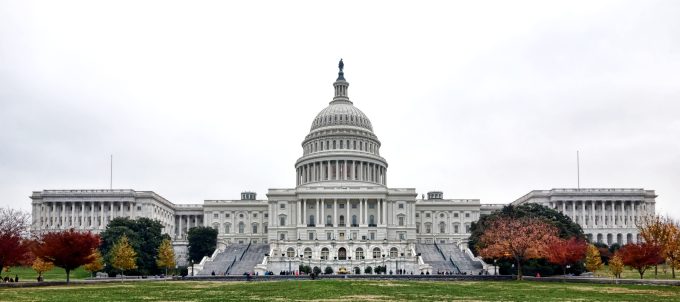
“It’s going to be a mess,” forwarders are telling The Loadstar as the impact of the first US government shutdown in seven years takes effect on supply chains.
And there are concerns things may get worse following administration claims that another wave of mass layoffs is coming.
Threats of government shutdowns have been ten a penny over recent decades, but not since President Trump’s first term has one actually been enacted.
Asked what this meant for not just trade with the US, but global trade, one forwarder told The Loadstar: “I believe this will be a mess. Global logistics is extremely vulnerable to a US government shutdown.
“With fewer inspectors and air traffic controllers, flight delays and bottlenecks at American airports quickly ripple through international cargo networks. The US is a central aviation hub, so any disruption there disrupts connections across Asia, Europe, and Latin America.”
Already, there has been an incident involving two aircraft at La Guardia and while the cause has not been levelled at air traffic controllers – required to work unpaid during shutdowns – the union representing them has warned that the situation has added stress to their role.
The National Air Traffic Controllers Association (NATCA)’s Nick Daniels said: “The increased stress and fatigue that comes from working long hours without pay cannot be overstated.” The controllers are required to work 10-hour shifts, six days a week during a shutdown.
Even without the shutdown, the US – which handles some 50,000 flights a day – was dealing with a significant shortfall in qualified air traffic controllers, with NATCA suggesting the country was some 3,800 short.
The Airforwarders Association said: “With air traffic control operations under pressure and federal aviation staff affected, there is a real risk of delays, disruptions, and added costs across the supply chain.
“Forwarders depend on safe, predictable, fully resourced aviation infrastructure to keep goods moving. We urge policymakers to resolve this impasse quickly. The safe, efficient flow of cargo is not optional — it underpins the economy across the US and the world.”
Warning of longer transit times, unpredictable schedules, and higher costs, one forwarder told The Loadstar shippers could expect these costs to appear “immediately”, pointing to fees for extra storage, rebooking, and contractual penalties.
Nor is the trouble limited to aviation, congestion at US ports will lead to vessel delays, reduced container availability, and higher freight rates on major trade routes, with automotive, pharma, and hi-tech sectors most exposed.
“Even agribusiness and e-commerce are affected as predictability vanishes and costs escalate,” the forwarder added. “This demonstrates how a political impasse in Washington can create global economic shocks.
“Each day of disruption magnifies costs and undermines competition.”
For uninterrupted access, sign in or sign up to The Daily News, Premium or The Loadstar Enterprise Plan.

Comment on this article