Analysis: The flip side of the $1.4bn CMA CGM-FedEx Supply Chain deal
Vertical push optics


AMZN: BIG DEBT FUNDING ON ITS WAYDHL: 'STELLAR EXPRESS'DHL: UPDATEDHL: STRONG PRELIMINARY UPDATE CHRW: STILL VERY BEARISH PLD: 'MOST PREFERRED'ZIM: DEAL OR NO DEALWTC: MOMENTUMDAC: PAYOUTMAERSK: RETURN TO SUEZCHRW: ANOTHER NOTE OF CAUTION MAERSK: EVERY BOOST HELPS
AMZN: BIG DEBT FUNDING ON ITS WAYDHL: 'STELLAR EXPRESS'DHL: UPDATEDHL: STRONG PRELIMINARY UPDATE CHRW: STILL VERY BEARISH PLD: 'MOST PREFERRED'ZIM: DEAL OR NO DEALWTC: MOMENTUMDAC: PAYOUTMAERSK: RETURN TO SUEZCHRW: ANOTHER NOTE OF CAUTION MAERSK: EVERY BOOST HELPS
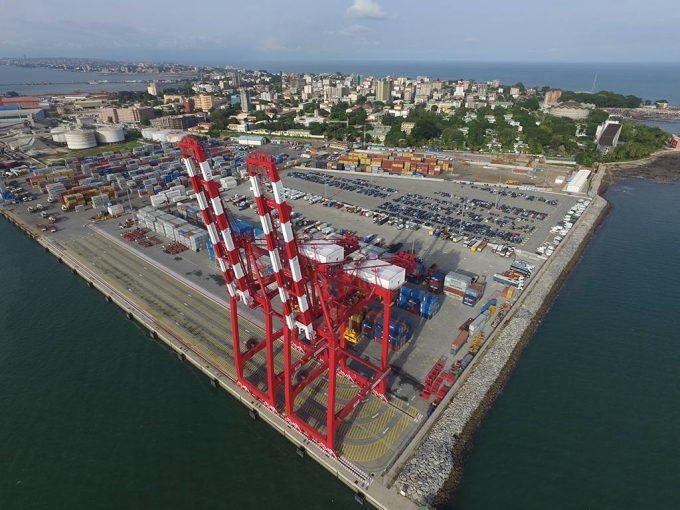
Carriers are beginning to impose congestion surcharges on shipments into African ports as the continent contends with fallout from the 12-day Israel-Iran war, which saw more services give up on Red Sea transits.
CMA CGM and MSC have announced surcharges on services between India, the Middle East ,and Africa in the past few days, with suggestions Hapag-Lloyd will follow suit.
Citing a peak season, the French carrier informed customers they would be paying $500 per teu on dry cargo from 1 August for some Indian shipments heading to a slew of West African ports, including those in Guinea, Ivory Coast, and Senegal.
MSC announced a $300 per teu surcharge on all cargo from India, Pakistan, and the Middle East heading to Guinea’s Conakry port.
The carrier said: “Due to congestion in Conakry, which creates difficult operating conditions and increases costs, MSC will apply a congestion surcharge for all cargo from 28 July (gate in date) until further notice.”
According to Kuehne + Nagel’s Seaexplorer tracking service, Conarky is “heavily disrupted”, with delays averaging four days, and is not alone.
“Heavily disrupted operations” are also cited at Ivory Coast’s Abidjan, which, while average waits have been three days, some carriers have reported delays of a week, as a consequence of “severe yard congestion impacting operational efficiency and resulting in berthing delays”.
And there are reported delays averaging between two and five days from Congo, Angola, South Africa, Tanzania, Algeria, and Morocco.
1Up Cargo’s general manager for South Africa, Cindy Luyt, said the recent conflict between Iran and Israel had worsened an already precarious situation. Southern African forwarders and port authorities believed the 12-day conflict had also ended efforts by carriers to switch back to the Red Sea, she added.
“In Southern African ports there have been a number of vessels stopping for repairs and bunkering due to the large number rerouting via Cape of Good Hope rather than transiting the troubled Red Sea, and avoiding the Suez Canal,” she told The Loadstar.
“Due to recent attacks by Houthis, we do not anticipate this situation changing in the near to mid-future.”
This article is © The Loadstar. Reproduction, rewriting, or derivative use requires a license. Contact [email protected] for licensing enquiries.

For uninterrupted access, sign in or sign up to The Daily News, Premium or The Loadstar Enterprise Plan.
Comment on this article