Inland waterway congestion grows as river levels fall and barge costs rise
North Europe’s inland transport sector could grind to a halt after water levels along the ...

TFII: EARNINGS BEATCHRW: PUMMELED DSV: LACK OF TRUST WEIGHSDHL: NEW HIGH DHL: E-COMM DEAL SIGNEDF: NEW PROFIT STREAMCHRW: HEALTHY CORRECTIONDSV: TIME TO BUY INWTC: NO LUCKCHRW: 'NUCLEAR VERDICT'DSV: DEEP CUTKNIN: UPGRADEDKNIN: AI BENEFITSKNIN: NOT WORTH IT
TFII: EARNINGS BEATCHRW: PUMMELED DSV: LACK OF TRUST WEIGHSDHL: NEW HIGH DHL: E-COMM DEAL SIGNEDF: NEW PROFIT STREAMCHRW: HEALTHY CORRECTIONDSV: TIME TO BUY INWTC: NO LUCKCHRW: 'NUCLEAR VERDICT'DSV: DEEP CUTKNIN: UPGRADEDKNIN: AI BENEFITSKNIN: NOT WORTH IT
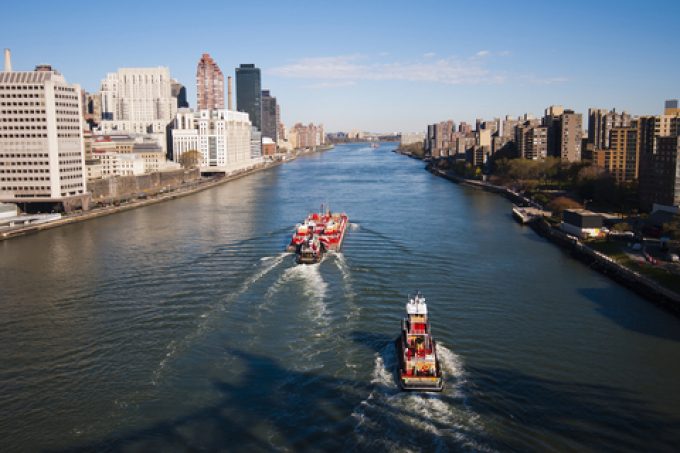
New York City is turning to its waterways in the hope of relieving congestion brought on by e-commerce orders.
On Friday, the NYC Economic Development Corp made a ‘request for proposals’ to “activate” various waterfront facilities for use as barge landings.
It read: “Increasing the capacity of NYCEDC-managed docks and piers for freight transit supports its objectives of improving transport in the city’s waterways, reducing emissions from truck-based transportation, and decreasing wear and tear on the city’s roads.
“NYCEDC seeks firms experienced in marine engineering to design infrastructure improvements on waterfront sites located in Manhattan, Brooklyn and the Bronx.”
The hope is that using these facilities will eliminate more than 6,000 short-haul truck journeys in the city.
Aa a rare example of modal shift from road to sea, the move could massively reduce carbon emissions by shifting cargo onto a much greener mode. For example, one study, A Modal Comparison of Domestic Freight Transportation Effects on the General Public: 2001–2019, found that barges emit some 15.1 tons of CO2 per million ton-miles travelled, versus 140.7 tons by trucks.
That many cities are spanned and criss-crossed by rivers is no accident, and barges have proved a historically efficient means of getting cargo close to where it is needed. New York is no exception to this, with barges having been in extensive use throughout the early 20th century.

For uninterrupted access, sign in or sign up to The Daily News, Premium or The Loadstar Enterprise Plan.
Comment on this article