News in Brief Podcast | Week 28 2026 | Hormuz, hub-and-spoke, and air forwarder advice
Escalating tensions around the Strait of Hormuz are again rippling through global supply chains, driving ...


VW: THE IMPACT VW: MASSIVE JOB CUTS CONFIRMEDEXPD: BULLISHCHRW: POSITIONING AHEAD OF EARNINGSAMZN: IN THE NUMBERSAMZN: PEOPLE MATTER UNTILVW: THE LAST CUT IS THE DEEPESTJBHT: GEARING UP VW: BUYING TIMER: BIG VOTE OF CONFIDENCEAAPL: BEARISH HEDGEYE AAPL: THE BEAR CASEFDX: LIFE SCIENCES ORG UNVEILEDWTC: UPS AND DOWNSWTC: ASX ANNOUNCEMENT REGARDING DSV PARTNERSHIP VW: D-DAY
VW: THE IMPACT VW: MASSIVE JOB CUTS CONFIRMEDEXPD: BULLISHCHRW: POSITIONING AHEAD OF EARNINGSAMZN: IN THE NUMBERSAMZN: PEOPLE MATTER UNTILVW: THE LAST CUT IS THE DEEPESTJBHT: GEARING UP VW: BUYING TIMER: BIG VOTE OF CONFIDENCEAAPL: BEARISH HEDGEYE AAPL: THE BEAR CASEFDX: LIFE SCIENCES ORG UNVEILEDWTC: UPS AND DOWNSWTC: ASX ANNOUNCEMENT REGARDING DSV PARTNERSHIP VW: D-DAY
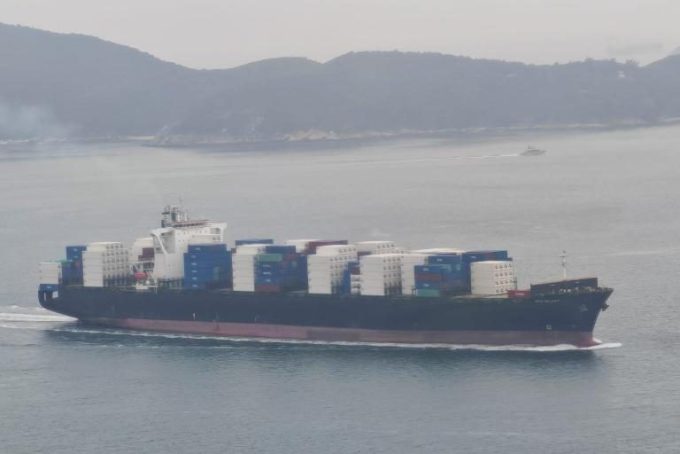
Gulf importers and their forwarders are once more turning to Middle East landbridge routes after renewed conflict between the US and Iran effectively closed the Gulf of Hormuz again.
An Iranian attack on the 7,000 teu GFS Galaxy, operated by AD Ports’ shipping subsidiary, Global Feeder Shipping, in the strait led to the vessel catching fire and forcing the 23-strong crew to abandon ship.
According to authorities, one seafarer, an Indian national, remains missing.
The US has again conducted large-scale attacks on Iran, which is again attacking facilities in Bahrain, Kuwait, Qatar, UAE, Oman, and Jordan, claiming Hormuz is again closed.
“Irrespective of what one might think politically about the conflict, it remains a fact that Iran still retains the ability, and willingness, to severely disrupt vessel traffic in the Strait of Hormuz,” said Sea-Intelligence.
“The question is whether we might have to contemplate a situation, where Iran might end up being successful in imposing a new governance regime for vessel traffic, including some element of fee payments for transits.”
A Sea-Intelligence analysis of the Middle East-related trades today shows how the conflict has resulted in very high freight rates, particularly on inbound shipments.

Source: Sea-Intelligence Consulting
“We see some very extreme changes, and they are all related to the MEISC region and are clearly the direct impact of the Hormuz crisis,” the analyst said.
“Global average rates increased 22%, whereas the MEISC to Far East and intra-MEISC rates skyrocketed more than 250%,” it added.
However, the 22% global growth figures was distorted by the Middle East situation, as only one trade outside the region – Far East-South America routes – sawrates rise above the global average.
But while the global spot rate market remains some way off the extreme seen during the pandemic – with the global average spot rate still 54% below Covid-era peaks – Sea-Intelligence said certain niche trades and backhaul routes into the Middle East had broken the ceiling set by the pandemic, potentially indicating the enormous transport costs landbridge options incur.
“Three trades directly impacted by the Hormuz crisis now are setting their own new records, with rates higher than even during the pandemic disruptions,” it commented.
“These are the trades from MEISC to Far East, Europe to MEISC, as well as intra-MEISC.
“This seems to imply that the major trades, which usually gets most of the attention, are actually not the strongest presently – some of these other trades are closer to the pandemic-level rates than the major trades,” it added.
For uninterrupted access, sign in or sign up to The Daily News, Premium or The Loadstar Enterprise Plan.

Comment on this article