Retailers should plan for trading in a post-de minimis landscape now
EU customs changes on 1 July present a “real margin issue” when it comes to ...


DHL: NEW CFO APPOINTMENTFDX: TRADING UPDATE ON THE WAY TSLA: ON THE MENDGM: TECH STARTUP LISTINGDSV: NEW HIGH TARGET CHRW: BOLT-ON DEAL TIMEDHL: GO GREENDSV: BULLISH DSV: NOTE TO INVESTORSKO: TAX FIGHTDSV: STILL 'OVERWEIGHT'WTC: HAMMEREDWTC: MOUNTING TROUBLEWTC: ANOTHER DIFFICULT WEEK
DHL: NEW CFO APPOINTMENTFDX: TRADING UPDATE ON THE WAY TSLA: ON THE MENDGM: TECH STARTUP LISTINGDSV: NEW HIGH TARGET CHRW: BOLT-ON DEAL TIMEDHL: GO GREENDSV: BULLISH DSV: NOTE TO INVESTORSKO: TAX FIGHTDSV: STILL 'OVERWEIGHT'WTC: HAMMEREDWTC: MOUNTING TROUBLEWTC: ANOTHER DIFFICULT WEEK
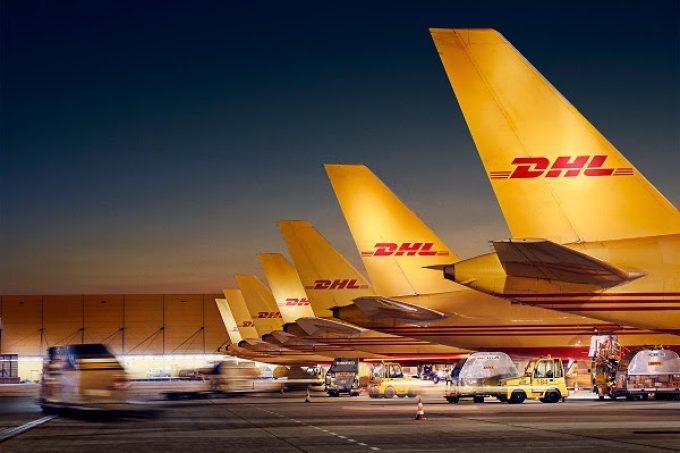
Opportunities for growing trade between South America and sub-Saharan Africa are not being given enough consideration, despite an obvious upturn in volumes, according to a DHL executive.
DHL Global Forwarding CEO for Middle East & Africa, Amadou Diallo, told The Loadstar that, where African businesses across the western side of the continent had focused mostly on Europe, this was increasingly no longer the case.
“If you go to Angola, wealthy Angolans are paying more and more attention to Brazil, and the same is true on the reverse, more Brazilian businesses are looking at upping their trade with West Africa,” Mr Diallo said.
Mr Diallo indicated shared “cultural commonalities”, including food and music, were partly responsible for the increased trade between the regions, stating that it was something of a “perfect match”.
He continued: “I think these cultural commonalities are why are seeing a lot of flows between South America and West Africa, a lot of flows are coming in, but nobody really seems to be talking about.”
Increasing South America-Africa trade has become something of a theme noticed and discussed by The Loadstar, with forwarding sources in Brazil, South Africa, and Senegal citing this tradelane as one of the more exciting ones this year.
Sources have told The Loadstar it made sense, given not only the young populations across the continents, but the increasing levels of education, the availability of raw materials, as well as pressure to innovate, a pointed echoed by Mr Diallo.
“If you ask why African trade opportunities are growing, I think you can point to the improving stability, but it’s also an obligation, because if there is less aid, it becomes more important to work,” he noted.
“You are seeing a lot of economies moving away from their dependency on simply exporting raw materials; for instance, the Ivory Coast had been a champion in cocoa exports. but now they are making their own chocolate.
“Elsewhere there is marked collaboration between countries – Guinea, Mauritania, Senegal, and Sierra Leone are working on producing their own aluminium, rather than exporting iron to be produced as aluminium elsewhere.”
Among the fastest-growing economies in the region, discounting South Africa as being “in a class of its own,” Mr Diallo said Angola was “growing extremely fast”, also pointing to Kenya, Mozambique, Rwanda, Senegal, and Tanzania as ones to watch.

For uninterrupted access, sign in or sign up to The Daily News, Premium or The Loadstar Enterprise Plan.
Comment on this article