Why Europe has the dream, but struggles to build freight-tech giants
Europe may have produced some of freight tech’s most ambitious start-ups, but building them into ...


CHRW: OVERVALUEDGM: NEW BIZFDX: GROWING CAUTIOUSDHL: DOUBLE UPGRADEDSV: STOCK MARKET REACTION XOM: OIL INVENTORY WARNINGWTC: EBL DEAL DETAILSWTC: EBL DEALEXPD: 'READ MY LIPS' HON: DEALS ON THE MENUEXPD: NEW RECORD XPO: THE REBOUNDCAT: PAYOUT UP
CHRW: OVERVALUEDGM: NEW BIZFDX: GROWING CAUTIOUSDHL: DOUBLE UPGRADEDSV: STOCK MARKET REACTION XOM: OIL INVENTORY WARNINGWTC: EBL DEAL DETAILSWTC: EBL DEALEXPD: 'READ MY LIPS' HON: DEALS ON THE MENUEXPD: NEW RECORD XPO: THE REBOUNDCAT: PAYOUT UP
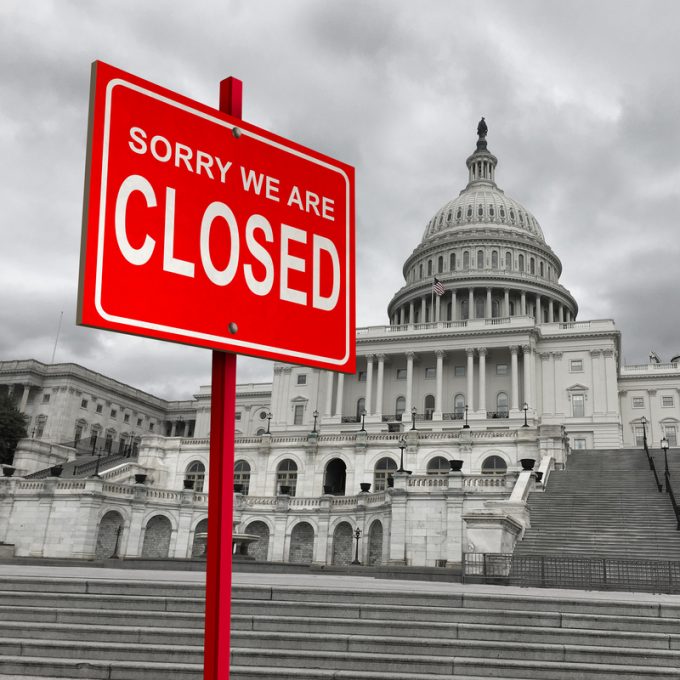
Freighters could be the answer to cargo delays caused by the US government shutdown as it enters its second week.
The hit to government funding, which began on 1 October, has so far showed no signs of ending. But according to the White House, the cost to US GDP could be up to $15bn a week, triggered by lower output, lower consumer spending and (even more) uncertainty.
So far there is no sign that shippers are seeking freighters, however, according to Rotate’s capacity database. But with China coming out of its Golden Week holiday, the data is mixed.
Currently, some 13,000 air traffic controllers are not being paid, leading to sick leave and delays at many US airports. The FAA, which is not responding to media queries, is expected to slow traffic when an airport doesn’t have sufficient capacity, triggering delays.
Chicago O’Hare is reportedly seeing average delays of more than 40 minutes, Nashville has seen two-hour delays, while Newark, Denver and others have been similarly affected. That has led to concerns over the impact on belly cargo in particular, with freighters able to opt for less-congested airports.
“This could all delay import shipments,” explained Bradon Fried, head of the US Airforwarders Association.
Ports remain operational, while the Customs & Border Protection (CBP) agency is also continuing, mostly, as normal.
But with most government agencies impacted, Expeditors has warned customers to plan ahead.
“If your shipments require clearance from agencies beyond CBP, anticipate possible delays and adjust timelines accordingly,” it said.
CPB has confirmed that refunds, including drawback and automated clearing house (ACH), will not be available during the shutdown. Almost all export licence applications, with the exception of emergencies, have been paused; at the Department of Commerce, system updates have been suspended. The Department of Transportation has outlined any changes to its operations here.
Expeditors noted that at the US International Trade Commission, most trade remedy investigations and technical assistance had been suspended; with only essential litigation and tariff schedule maintenance continuing. Sanctions licensing activities have ceased.
However, Expeditors noted USTR “remains fully operational due to supplemental appropriations; no staff furloughs; USMCA enforcement continues”.
It has already been a year of uncertainty for US business, but now more decisions are on hold: the Surface Transportation Board has, for example, suspended most of its functions, including regulatory filings and approvals.
The impact on the US economy will take some time to show up in the data, not least because the release of consumer inflation and other key economic indicators will be delayed. The Supreme Court seems to be operating – so no delays are expected to the final ruling on the legality of tariffs.
However, there appears to be no obvious route to ending the deadlock between the two parties involved, despite President Trump’s threat first to fire federal workers, and yesterday warning they may not get backpay – a move likely to lead to more ‘sick’ days.
Expeditors concluded: “As the shutdown continues, additional impacts may emerge across regulatory and operational domains.” It urged customers to stay informed.
The 2018/9 shutdown, also under Mr Trump, was the longest in history, at 35 days, and affected some 800,000 federal workers. However, the estimated loss to GDP was some $11bn, significantly lower than the current administration’s estimate of $15bn a week.
For uninterrupted access, sign in or sign up to The Daily News, Premium or The Loadstar Enterprise Plan.
Comment on this article