DP World enter US market with new box terminal at Corpus Christi
DP World looks set to finally break into the US market after entering into an ...


KNIN: BOND FINANCINGWTC: UP WE GODHL: NEW CFO APPOINTMENTFDX: TRADING UPDATE ON THE WAY TSLA: ON THE MENDGM: TECH STARTUP LISTINGDSV: NEW HIGH TARGET CHRW: BOLT-ON DEAL TIMEDHL: GO GREENDSV: BULLISH DSV: NOTE TO INVESTORSKO: TAX FIGHTDSV: STILL 'OVERWEIGHT'WTC: HAMMEREDWTC: MOUNTING TROUBLE
KNIN: BOND FINANCINGWTC: UP WE GODHL: NEW CFO APPOINTMENTFDX: TRADING UPDATE ON THE WAY TSLA: ON THE MENDGM: TECH STARTUP LISTINGDSV: NEW HIGH TARGET CHRW: BOLT-ON DEAL TIMEDHL: GO GREENDSV: BULLISH DSV: NOTE TO INVESTORSKO: TAX FIGHTDSV: STILL 'OVERWEIGHT'WTC: HAMMEREDWTC: MOUNTING TROUBLE
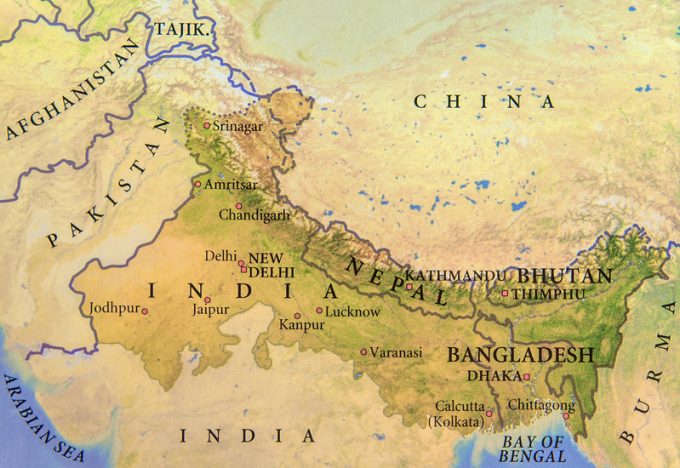
Pakistan is making a noteworthy effort in its ocean trade aspirations, amid the lingering challenges posed by regional trade restrictions recently imposed by India.
Pakistan authorities have announced a flat 50% cut in various tariffs that exporters incur at Port Qasim, the country’s second-busiest gateway after Karachi.
Port Qasim handles roughly half of Pakistan’s export/import trade and its container terminal is operated by DP World.
While port tariffs typically vary by size and type of cargo, a 20ft box containing rice or food products, for example, is known to have incurred some $37 in landing charges at Port Qasim, whereas for a 40ft laden container it was pegged at some $50, available data suggests.
“The government’s reform agenda in the maritime sector, including the charge reduction at Port Qasim, signals a strong commitment to supporting the business community, enhancing trade facilitation, and promoting economic development across coastal regions,” said Muhammad Junaid Anwar Chaudhry, Pakistan’s federal minister of maritime affairs.
“These efforts are part of a broader strategy to transform the maritime sector, boost exports, and contribute significantly to the country’s GDP.”
Pakistan’s major export trading commodities include apparel, rice, leather goods, and agricultural products, mainly fruits and vegetables, moving largely to the Middle East, US, China and Europe. Total exports by value stood at some $32.44bn last year, up 5% year on year, industry data indicates.
But the pace seems to have slowed in recent months – exports in May were down 6% year on year, available statistics show.
The decline could be linked to geopolitical tensions and supply chain disruption.
Last month, New Delhi enforced a ban on Pakistan cargo transiting its ports following strained bilateral relations, which met with a similar response from Islamabad in a tit-for-tat posture.
Those restrictions also left mainline carriers serving Pakistan ports in a quandary, forcing them to readjust their schedules for services calling both markets. Additionally, most mainline carriers have had to open new shuttle services to connect Pakistan cargo via hub ports like Colombo (Sri Lanka) and Salalah (Oman), instead of the traditional Indian access.
Consequent container relays also saw carriers hit Pakistani exporters/importers with a wave of emergency surcharges to recoup additional costs.
Maersk, MSC, CMA CGM and Hapag-Lloyd now have surcharges in the region of $500 to $800 per container on Pakistan exports to major global markets.
MSC told customers the surcharge was needed “to maintain the continuity, safety and reliability of its services in Pakistan due to the ongoing geopolitical challenges.”
The new government announcement of concessional port charges for exports seems to be a strategic step to incentivise carriers to price their freight charges more competitively, with no signs emerging from both countries on a potential near-term relaxation of the port restrictions in place.

For uninterrupted access, sign in or sign up to The Daily News, Premium or The Loadstar Enterprise Plan.

Comment on this article