Retailers should plan for trading in a post-de minimis landscape now
EU customs changes on 1 July present a “real margin issue” when it comes to ...


KNIN: BOND FINANCINGWTC: UP WE GODHL: NEW CFO APPOINTMENTFDX: TRADING UPDATE ON THE WAY TSLA: ON THE MENDGM: TECH STARTUP LISTINGDSV: NEW HIGH TARGET CHRW: BOLT-ON DEAL TIMEDHL: GO GREENDSV: BULLISH DSV: NOTE TO INVESTORSKO: TAX FIGHTDSV: STILL 'OVERWEIGHT'WTC: HAMMEREDWTC: MOUNTING TROUBLE
KNIN: BOND FINANCINGWTC: UP WE GODHL: NEW CFO APPOINTMENTFDX: TRADING UPDATE ON THE WAY TSLA: ON THE MENDGM: TECH STARTUP LISTINGDSV: NEW HIGH TARGET CHRW: BOLT-ON DEAL TIMEDHL: GO GREENDSV: BULLISH DSV: NOTE TO INVESTORSKO: TAX FIGHTDSV: STILL 'OVERWEIGHT'WTC: HAMMEREDWTC: MOUNTING TROUBLE
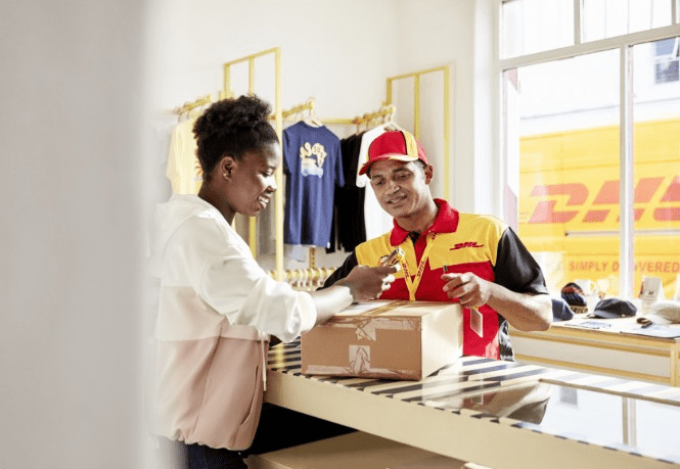
DHL, for one, appears optimistic about the possibility of the US ending the de minimis exemption.
US Customs & Border Protection has been tasked with finding a way to process all the incoming parcels without the exemption by 1 April – just two weeks away.
And while some airfreight players have concerns over what it might mean for ecommerce shipments and demand, other companies are more sanguine, including DHL.
After it announcing its results this month, noting it was cutting some 8,000 jobs in its German Post & Parcel division, DHL Express CEO John Pearson told media that, if the exemption was ruled out, DHL would need to boost its staff numbers in Asia by around 200.
He said: “If the [exemption suspension] came back, we would hire more people, not necessarily in our US gateways, but maybe in Malaysia.”
But he said if the exemption was simply reduced to below $800, it would have little effect, adding: “A lot of the Shein, Temu volumes are [worth] $75, $80, $90, so would just go straight through.”
DHL has also predicted that it would see an increase in demand for bulk shipments and fulfilment in the US. Mr Pearson admitted Shein was a customer – “in many senses a perfect and respected customer because they use all aspects of our supply chain capability”.
DHL said it had relatively little exposure to US de minimis rules.
Tobias Meyer, group CEO, told Bloomberg: “We have some in our express network, also in our border-settling network. But mainly, what we do in the space of ecommerce is domestic distribution in Europe, and in good partnership with the USPS in the US.”
While DHL sees opportunities, it did note the chaos for customers caused by the four-day February suspension of the exemption.
“There was quite some turmoil,” said Mr Meyer. “I think the biggest operational impact was the four-day pausing … [which] led to chaos at many US ports of entry. We had our challenges, but US Customs also had its challenges.
“It’s nearly doubling the number of entries required. Nobody was really prepared for it, because it wasn’t clear. The instructions came out after the effective date, and that is truly causing a lot of headaches for our customers, and is causing a lot of work in our operations to adjust to these ever-changing requirements, especially on such short notice.”
However, he did acknowledge that there were benefits for DHL.
“We are structurally well positioned because our market share in many US-related lanes isn’t that big. We are very strong in Asia, Middle East, Africa, so these are all real strongholds.
“It’s not really adding efficiency to our operations and not adding efficiency to our customer operations. So we gain new business, we do more customs filings, for instance, so it’s not necessarily bad for us, but I think overall these disruptions are not good for the economic development and the building of wealth with people.”
Elsewhere, shippers are eyeing tariffs warily. Toymaker MGA Entertainment, which supplies large retailers such as Walmart and Target, has said it was accelerating its shift out of China. It plans to move 40% of its manufacturing to India, Vietnam, and Indonesia within six months.
Whether these moves will mean it avoids tariffs is yet to be seen.
Observers predict the ‘Tijuana two-step’ – by which goods are sent to Mexico and repackaged as de minimis or as Mexican goods with lower tariffs – could start to happen in countries such as Vietnam.
However, it is unclear whether the CBP can end de minimis by 1 April. Oxford Economics estimated – before the new US administration came in – that CBP was nearly 5,000 officers short. Ending the de minimis exemption, said the Cato Institute, would necessitate hiring and training an additional 22,000 CBP officers.
“The additional paperwork burden would be immense – not to mention the additional wait times for consumers,” it said.
DHL may have to wait a little longer to see the benefits.

For uninterrupted access, sign in or sign up to The Daily News, Premium or The Loadstar Enterprise Plan.
Comment on this article