Europe’s auto sector faces ‘perfect storm’ as exports slump and imports surge
European automakers and their logistics services providers are navigating a period of upheaval and structural ...


HON: DEALS ON THE MENUEXPD: NEW RECORD XPO: THE REBOUNDCAT: PAYOUT UPDHL: LIGHTHOUSEMAERSK: ANOTHER UPGRADEFWRD: HEALTHY CORRECTION R: RYDER CEO SAYS R: AMAZON LTL ANNOUNCEMENTPLD: EV INFRASTRUCTURE PUSHDHL: RAMPING UP 'NEW ENERGY LOGISTICS' GXO: NEW WINAMZN: LTL SERVICE UPDATEGM: ENERGY PROVIDER MODEL
HON: DEALS ON THE MENUEXPD: NEW RECORD XPO: THE REBOUNDCAT: PAYOUT UPDHL: LIGHTHOUSEMAERSK: ANOTHER UPGRADEFWRD: HEALTHY CORRECTION R: RYDER CEO SAYS R: AMAZON LTL ANNOUNCEMENTPLD: EV INFRASTRUCTURE PUSHDHL: RAMPING UP 'NEW ENERGY LOGISTICS' GXO: NEW WINAMZN: LTL SERVICE UPDATEGM: ENERGY PROVIDER MODEL
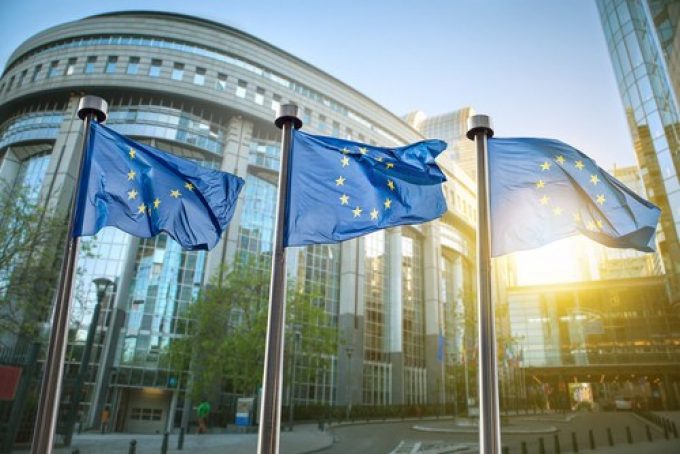
The EU has dropped targets from its Clean Industrial Deal (CID), including the pledge of a 90% reduction in emissions versus 1990 levels.
Unveiled today, the amended CID strategy is designed to push for development of domestic European supply chains for renewable energy, and reduce reliance on foreign resources, such as natural gas, lithium, and cobalt.
The legislation calls for 40% of renewable energy technology, such as solar panels and wind turbines, to be manufactured in the EU, with subsidies to drive development of a European renewable energy production chain.
But the CID has been amended to reflect the new geopolitical context, with the EU rolling back key supply chain provisions in pursuit of deregulation, a bid to improve the bloc’s competitiveness.
One of these is the Corporate Sustainability Due Diligence Directive (CSDDD), passed as recently as last May, which requires EU companies fix any “adverse human rights and environmental impacts” of their supply chains.
“Europe knows how to reform itself… without a chainsaw, but with competent men and women who listen to economic players,” said EU industry chief Stephane Sejourne, in a veiled reference to Argentina’s premier, Javier Milei.
“The reality is there is an increasingly tense geopolitical context and we cannot ask our companies to invest massively in reporting resources when they should be in a war economy, and are in the midst of decarbonising,” she added.
It is hoped that simplified permitting, and subsidies for, renewable energy will fend off competition from China and opposition to the concept of green energy stemming from the new US administration.
Replacing costly oil and gas imports with home-grown electrification and domestic renewable generation could save the EU some €130bn annually by 2030, an executive study has shown.
“(Renewable energy projects) entail a lot of investments,” EU energy commissioner Dan Jorgensen told Reuters. “But we have to remember that it’s also expensive not to do anything. So we save money by not buying fuel from outside.”
At the end of last month, the European Community Shipowners’ Association suggested that “dedicated supply requirements on fuel producers in European ports” would be critical to ensure a green transition.
“We urge policymakers to ensure and further leverage this competitive advantage by investing in clean fuels and innovative technologies for the energy transition,” said secretary general Sotiris Raptis. “We need all hands on deck to maintain industry’s competitiveness and to achieve net zero emissions by 2050.”
But critics said today the CID lacked provision for a revamp of green fuels for shipping.
In a LinkedIn post, Faïg Abbasov, shipping programme director at Transport & Environment, said EU frameworks as they stood incentivised a shift to biofuels rather than to e-fuels, green methanol, and green ammonia, which are generated from renewable energy.
“There is a risk that pushing shipping and aviation toward biofuels will have deleterious impacts on the climate. Research suggests that, should first-generation biofuels such as palm oil be rebranded and sold as ‘residual’ ‘waste’ biofuel – as common practice in the industry today – this could lead to more CO2 emissions than sticking with conventional fossil fuels.
“De-risking green hydrogen is a much-needed intervention and the commission’s text is clear on ensuring hydrogen does not end up where alternatives like electrification are available,” said Aurelia Leeuw, director of EU policy at Opportunity Green and the SASHA Coalition. “What is missing is the certainty that these financial support mechanisms to help decarbonise shipping will be paid for by the industry itself.
“The announced Bioeconomy Strategy is cause for concern, as it leaves the door open to marine biofuels. Biofuels cut fewer emissions than e-fuels, endanger biodiversity, jeopardise energy and food security, and are at risk of fraud. Their use would only undercut maritime e-fuel production. Not clean, and certainly not competitive.”
For uninterrupted access, sign in or sign up to The Daily News, Premium or The Loadstar Enterprise Plan.

Comment on this article