A calmer transatlantic as box carriers balance supply and demand
Following a turbulent 2025 and early 2026, marked by shrinking volumes and rates, the transatlantic ...


VW: THE LAST CUT IS THE DEEPESTJBHT: GEARING UP VW: BUYING TIMER: BIG VOTE OF CONFIDENCEAAPL: BEARISH HEDGEYE AAPL: THE BEAR CASEFDX: LIFE SCIENCES ORG UNVEILEDWTC: UPS AND DOWNSWTC: ASX ANNOUNCEMENT REGARDING DSV PARTNERSHIP VW: D-DAYPLD: KEEP PUSHINGDHL: NEW AIR SERVICEDHL: GUIDANCE UPGRADE REACTION
VW: THE LAST CUT IS THE DEEPESTJBHT: GEARING UP VW: BUYING TIMER: BIG VOTE OF CONFIDENCEAAPL: BEARISH HEDGEYE AAPL: THE BEAR CASEFDX: LIFE SCIENCES ORG UNVEILEDWTC: UPS AND DOWNSWTC: ASX ANNOUNCEMENT REGARDING DSV PARTNERSHIP VW: D-DAYPLD: KEEP PUSHINGDHL: NEW AIR SERVICEDHL: GUIDANCE UPGRADE REACTION
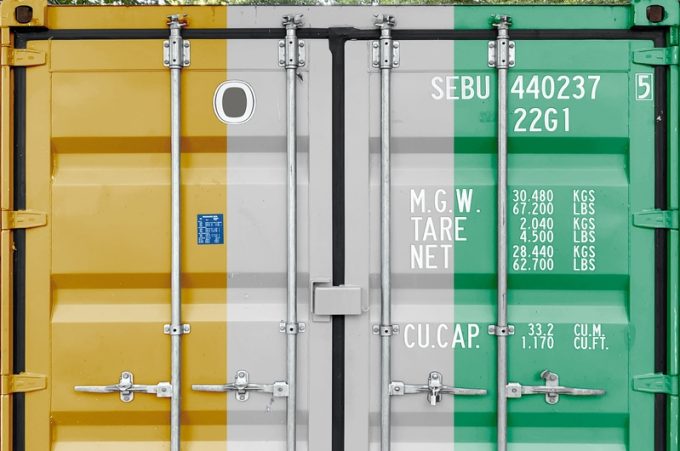
Efforts by Chinese shippers to improve their market penetration across Africa appear to be behind a significant uptick in volumes on the continent.
And forwarders are confident this push will mitigate any adverse effects from this year’s expected shorter and later peak season.
According to Container Trade Statistics’ (CTS) May data, volumes for Far East-Sub-Saharan Africa climbed 33.8% year on year in April, for a total of 410,200 teu, with rates broadly flat, reflecting the picture forwarders have seen over the first half of 2025.
Tamsir Traore, CEO of pan-African logistics provider Logidoo, told The Loadstar: “In contrast to what we have seen on Europe-Sub-Saharan Africa trades, we have seen strong growth in volumes from Asia.
“We’ve had strong volumes from China and Turkey to Senegal, Mali, and Ivory Coast. While we’re now expecting a shorter and later seasonal peak this year –likely between late July and early September – we believe the impact will be less visible on Asia-Africa trades.”
Electronics and telecoms shipments from China and Turkey have proved particularly strong, with an upturn in medical and pharmaceutical imports, “especially to landlocked countries,” added Mr Traore.
Asked why Asia appeared to be gaining African market share, he said that “even with moderate rate increases”, Asian shippers had provided more competitive costings, in comparison with their counterparts in Europe and the Americas.
He added: “We have also seen supplier diversification, with more coming from South-east Asia, notably Vietnam, Thailand, and India, alongside increased trust from African merchants in Asian sourcing channels, aided by improved digital logistics platforms.”
Both Mr Traore and 1Up Cargo’s general manager for South Africa, Cindy Luyt, said the Chinese had also been consciously focusing on Africa, particularly on Sub Sahara Africa, from an investment perspective.
Ms Luyt told The Loadstar: “We have noticed a large increase in Chinese-manufactured automotive, especially over the past year. Quality has also been perceived as being above-average and value for money.”
Added to which, China also remains a very strong market for Sub Saharan African minerals, steel, tobacco and scrap metal exports, while there is notable growth in Asian merchants sourcing agro-industrial products and, in some cases, electrical components from Africa.
That steady year-on-year growth in volumes has not produced an identical picture as far as the rates situation goes, however, with Shanghai to Abidjan ($5,521 feu) and Shanghai to Durban ($5,327) up just $200 compared with the end of Q1, according to Freightos Terminal data.
While Jacob van Rensburg, head of research and development at the Southern African Association of Freight Forwarders, said he had even noted strong week-on-week rate drops since the start of July.
For the week beginning 30 June, Mr van Rensburg told The Loadstar freight rates had fallen by 9%, largely due to a 16% drop on the transpacific, “even as global port throughput shows steady year-on-year growth”.
Even so, ahead of the ULCV MSC Nicola Mastro’s call at the port of Coega, he said: “There are encouraging developments for South Africa. Following two strong weeks of container throughput, optimism is building.
“The 24 000 teu vessel is a first for South Africa. This is notable given our terminals typically handle neo-panamax ships of up to 15,000 teu, due to depth and crane limits,” he added, before noting there was no indication of future calls by the vessel.
Contrasting with the at best mild rate growth seen on shipments moving into Abidjan and Durban from Shanghai, the situation for Shanghai-Dakar rates is markedly more impressive when contrasted with where things sat at the start of April.
According to Freightos Terminal data, it was possible to pay $4,636 per feu on 7 April for shipments, but by this morning, the terminal was quoting rates of $5,449 per feu.
Get up to speed on all things supply chain with our latest episode!

For uninterrupted access, sign in or sign up to The Daily News, Premium or The Loadstar Enterprise Plan.
Comment on this article