Russian plan to ban foreign carriers may be 'symbolic' gesture
Kremlin plans to prohibit non-Russian containerships calling at the country’s ports will add further stress ...

PLD: OUCHVW: NEW PARTNERS SOUGHTEXPD: AIRCRAFT ON GROUND SERVICESTSLA: JUST AS VW STRUGGLESBA: NEW BIG ORDERBA: THE ORDERBOOK GROWSPLD: PUSHING FOR A DEAL PLD: TIME TO DEALEXPD: ANOTHER ALL-TIME HIGH CHRW: NEW RECORD DSV: AHEAD OF EARNINGS RELEASE JBHT: NEW HIGHS EVERYWHEREPLD: STRONG DELIVERYJBHT: FAIR-VALUE CONSENSUS ESTIMATE AT ALL-TIME HIGH
PLD: OUCHVW: NEW PARTNERS SOUGHTEXPD: AIRCRAFT ON GROUND SERVICESTSLA: JUST AS VW STRUGGLESBA: NEW BIG ORDERBA: THE ORDERBOOK GROWSPLD: PUSHING FOR A DEAL PLD: TIME TO DEALEXPD: ANOTHER ALL-TIME HIGH CHRW: NEW RECORD DSV: AHEAD OF EARNINGS RELEASE JBHT: NEW HIGHS EVERYWHEREPLD: STRONG DELIVERYJBHT: FAIR-VALUE CONSENSUS ESTIMATE AT ALL-TIME HIGH
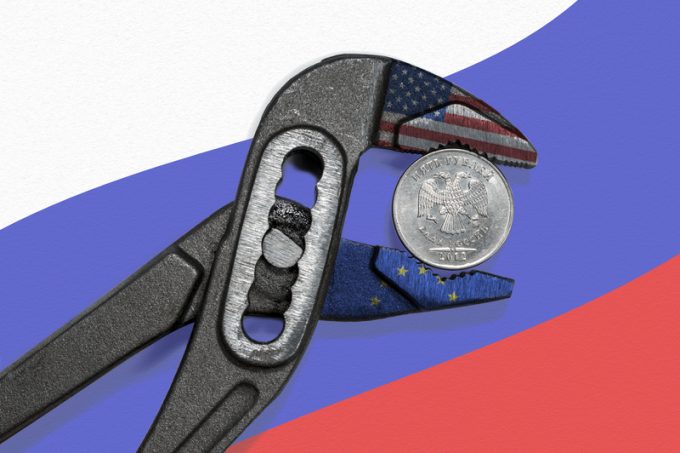
Forwarders say they are finding it increasingly difficult to keep up with changes in European and US sanctions policy.
Several have told The Loadstar it had become “a full-time position” monitoring updates to sanctions on Russia and on businesses doing business in the country.
“Has it?” one forwarder responded when told the Council of Europe had on Monday unveiled a new package of sanctions.
This, the 16th round of sanctions since Russia’s invasion of Ukraine three years ago this week, says carriers operating domestic services in Russia are prohibited from flying from, to, or over the European Union, extending a ban already active against Russian carriers.
It follows signals from Moscow that it may open domestic market access to foreign carriers in an effort to offset sanctions-inducted aircraft shortages.
Alongside this, the council will impose sanctions on any international company supplying aircraft or sanctioned goods to carriers that choose to operate in Russia’s domestic market.
One forwarder suggested the latest changes would likely prompt a rethink on how they do business, and possibly a review into suppliers and partners.
Others say they remain unfazed by the sanctions themselves, but were rather more vexed by the need, and the resources involved, to keep up to date with changes to them and the impact on their businesses.
Several forwarders told The Loadstar this was where multinationals really had an advantage over the smaller independent operators.
“Bigger forwarders have in-house attorneys and legal teams working to ensure they stay compliant in these moments of change, but smaller operators lack the necessary capital to cover such an expense,” they explained.
“And I think this is why you see more SMEs getting into situations where they have breached the sanctions regime.”
For uninterrupted access, sign in or sign up to The Daily News, Premium or The Loadstar Enterprise Plan.
Comment on this article