Low water restricts barge capacity, but the real problem is port congestion
Low water levels may be looming along Europe’s heavily trafficked inland waterways, but the real ...

EXPD: AIRCRAFT ON GROUND SERVICESTSLA: JUST AS VW STRUGGLESBA: NEW BIG ORDERBA: THE ORDERBOOK GROWSPLD: PUSHING FOR A DEAL PLD: TIME TO DEALEXPD: ANOTHER ALL-TIME HIGH CHRW: NEW RECORD DSV: AHEAD OF EARNINGS RELEASE JBHT: NEW HIGHS EVERYWHEREPLD: STRONG DELIVERYJBHT: FAIR-VALUE CONSENSUS ESTIMATE AT ALL-TIME HIGH KNIN: AI TECH ADVANTAGEPLD: TRADING UPDATE ON THE WAY
EXPD: AIRCRAFT ON GROUND SERVICESTSLA: JUST AS VW STRUGGLESBA: NEW BIG ORDERBA: THE ORDERBOOK GROWSPLD: PUSHING FOR A DEAL PLD: TIME TO DEALEXPD: ANOTHER ALL-TIME HIGH CHRW: NEW RECORD DSV: AHEAD OF EARNINGS RELEASE JBHT: NEW HIGHS EVERYWHEREPLD: STRONG DELIVERYJBHT: FAIR-VALUE CONSENSUS ESTIMATE AT ALL-TIME HIGH KNIN: AI TECH ADVANTAGEPLD: TRADING UPDATE ON THE WAY
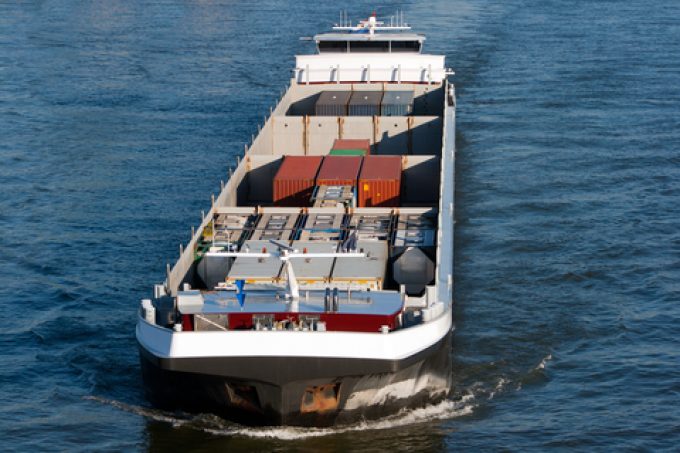
Northern Europe’s inland transport users need to prepare for worsening congestion and delays during the summer months, with droughts expected to worsen and this year’s issues compounded by rail blockages, leaving few transport alternatives.
Water level at the Kaub gauge on the Rhine is approaching the critical threshold of 80cm, and while rain is forecast, it is only expected to bring a negligible increase in depth over the next week; and further declines are due as temperatures continue to soar.
One inland transport expert told The Loadstar: “Inland vessels will have limited capacity and operators will begin levying low-water surcharges (LWSs). We are expecting water levels to fall even further, and operators to warn of delays due to this.”
According to Contargo, water levels this morning were at 101cm, with an LWS of €75 per teu and €90 per feu in place, with the Cologne and Duisburg-Ruhrot gauges subject to LWSs of €45/€70 and €55/€80 per teu and feu, respectively.
The inland transport expert had been told that certain operators were set to impose LWSs of €215 per teu the moment the Kaub gauge dropped to 80cm, rising to €300 if it dropped to 70cm, reflecting situations experienced in 2018 and 2022.
Contargo said: “According to the operator, if it falls below 81cm, the transport obligation will lapse and the agreed delivery times can no longer be met. The operator is offering rail transport as an alternative; however, available capacity is also limited.”
Construction, fires, and protests are all playing their part to make sourcing rail capacity across Europe difficult, construction works having closed track access to Hamburg Waltershof station over the past four days.
Kuehne + Nagel noted that the closure had left Hamburg’s CTA, CTB, and Eurogate terminals inaccessible by rail over the four-day period, and warned customers these conditions necessitated pre-booking rail freight, three weeks in advance.
It told customers: “Due to a lack of productivity in the terminals and rail construction, trains are usually delayed and not handled fully. This can result in additional trains being cancelled, shortened, and postponed, and capacities reduced.
“More recently, bushfires along the route into Hamburg are preventing the smooth flow of train traffic. Additionally, overhead line damage in several areas due to a storm this week is further affecting rail operations to/from Hamburg.”
Additionally, it warned that the decision of Hamburg Port Authority to introduce a ‘dispositive inflow control system’, responsible for managing the flow of trains irrespective of their planned slots, may result in additional delay.
According to HHLA, Hamburg Port Railway transported some 7,123 teu a day last year, indicating that a four-day shutdown could have caused a 30,000 container logjam awaiting train or truck collection.
Topping all this off for those seeking alternative routes to interrupted barge flows, rail has also been exposed to increasing protests across Europe over perceived support for Israel’s war on Gaza, with activists bringing rail operations to a standstill in late June.
Against this, sources suggest, there are legislative changes that could address the long-standing troubles with Europe’s inland transport system, and the German Infrastructure Plan 2030 is certainly moving in the right direction, they add.
“Low water on the Rhine is a long-standing problem; the 2030 plan provides for deepening of the Rhine over 50km, but it’s neither clear when it’ll be realised; and it is controversial because, according to critics, it increases the risk of flooding,” one source said.
“Without address, I believe it is safe to assume that it will be an annual cycle, and likely the periods will lengthen – ie, start sooner and end later, with climate factors playing into this. There is less rain, meaning lower water, and then there is snowmelt from the Alps.”
The meltwater brought about by spring thawing leads to higher discharge, but climate change has seemingly prompted a quickening of the melt, leading to shorter peaks and longer dry periods.
Expectations are that Germany’s industrial sector will begin to find itself more exposed to these issues, with the supply of raw materials likely to be impacted by congestion and delays in barge traffic.
The source added: “According to German waterway authorities, containerships can only carry 50% of their normal load capacity due to the low water levels. Production in some factories could be restricted as a result.”
For uninterrupted access, sign in or sign up to The Daily News, Premium or The Loadstar Enterprise Plan.
Comment on this article