Hyundai Glovis to develop finished vehicle hub in Amsterdam
Hyundai Motor’s logistics unit, Hyundai Glovis, is to build a vehicle import facility in the ...


DSV: STOCK MARKET REACTION XOM: OIL INVENTORY WARNINGWTC: EBL DEAL DETAILSWTC: EBL DEALEXPD: 'READ MY LIPS' HON: DEALS ON THE MENUEXPD: NEW RECORD XPO: THE REBOUNDCAT: PAYOUT UPDHL: LIGHTHOUSEMAERSK: ANOTHER UPGRADEFWRD: HEALTHY CORRECTION R: RYDER CEO SAYS
DSV: STOCK MARKET REACTION XOM: OIL INVENTORY WARNINGWTC: EBL DEAL DETAILSWTC: EBL DEALEXPD: 'READ MY LIPS' HON: DEALS ON THE MENUEXPD: NEW RECORD XPO: THE REBOUNDCAT: PAYOUT UPDHL: LIGHTHOUSEMAERSK: ANOTHER UPGRADEFWRD: HEALTHY CORRECTION R: RYDER CEO SAYS
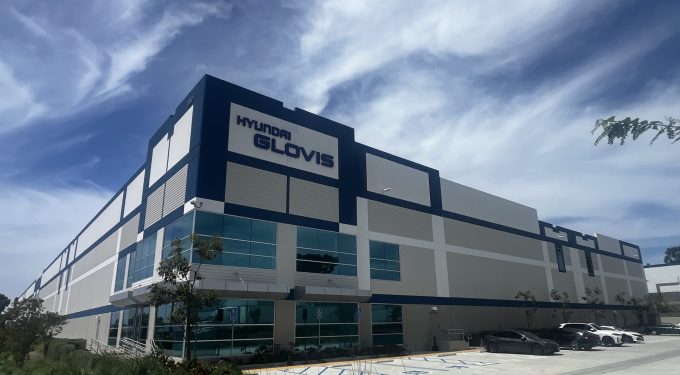
Hyundai Glovis, the South Korean carmaker’s shipping arm, has further expanded its 3PL business.
Glovis announced last week that it has opened logistics centres and warehouses in Los Angeles and Savannah, emulating compatriot peers CJ Logistics and LX Pantos in growing their US presence.
Glovis said the facilities were strategically positioned to handle cargo on the west and east coasts of the US.
The Los Angeles facility, LA Multimodal Logistics Centre, spans approximately 12,000 sq metres (about the size of two football fields) and is a 25-minute drive from the port and the airport, enabling multimodal transport operations.
Glovis plans to establish “a foundation for end-to-end logistics services, from storage to delivery,” through the construction of logistics infrastructure on the US west coast, and “enhance supply chain responsiveness” through integrated air and sea operations. The Los Angeles centre is expected to establish itself as a key hub overseeing integrated logistics in the western region.
While the LA centre specialises in handling transhipment and air cargo volumes, the Savannah Integrated Warehouse is a production-linked logistics hub designed to handle increased cargo volumes from Hyundai Motor’s Metaplant America, as well as third-party clients in Georgia.
The facility covers approximately 69,000 sq metres and will serve as a consolidation centre to centrally manage production and supply volumes.
Savannah is a key logistics hub in the south-east US, surrounded by increasing manufacturing and logistics infrastructure activities. Logistics demand is continuously increasing, ranging from the import of raw materials to the export of finished products. Furthermore, with its organically connected port and inland transportation networks, Savannah is considered a good location for future logistics expansion across North America.
Through these hubs, Glovis plans to integrate logistics services such as transhipment, air freight, warehousing and distribution, while strengthening its directly managed inland transportation capabilities.
Inside the industry’s AI shift
Complete The Loadstar’s ‘State of AI in the Supply Chain’ survey — and receive the full report and data before release.
For uninterrupted access, sign in or sign up to The Daily News, Premium or The Loadstar Enterprise Plan.
Comment on this article
Andrew C
April 21, 2026 at 4:07 pmWhat’s particularly fascinating is the timing. With the shift toward EVs and the complexity of managing battery logistics, having these large-scale, tech-heavy hubs closer to the final consumer is a huge competitive advantage. It’s not just about more warehouse space; it’s about having the infrastructure to handle pre-delivery inspections and specialized storage at scale.