Why Europe has the dream, but struggles to build freight-tech giants
Europe may have produced some of freight tech’s most ambitious start-ups, but building them into ...


GXO: NEW WINAMZN: LTL SERVICE UPDATEGM: ENERGY PROVIDER MODELEXPD: LAYOFFS CONFIRMED DHL: DOWNSIDE RISKDHL: OVERVIEWDHL: DATE CENTRE PUSH IN APACMAERSK: HAVE A LOOKTSLA: TAILWINDS FDX: PAYOUT ADJUSTMENT UPDATEKNIN: AIR FREIGHT NETWORK EXPANSION
GXO: NEW WINAMZN: LTL SERVICE UPDATEGM: ENERGY PROVIDER MODELEXPD: LAYOFFS CONFIRMED DHL: DOWNSIDE RISKDHL: OVERVIEWDHL: DATE CENTRE PUSH IN APACMAERSK: HAVE A LOOKTSLA: TAILWINDS FDX: PAYOUT ADJUSTMENT UPDATEKNIN: AIR FREIGHT NETWORK EXPANSION
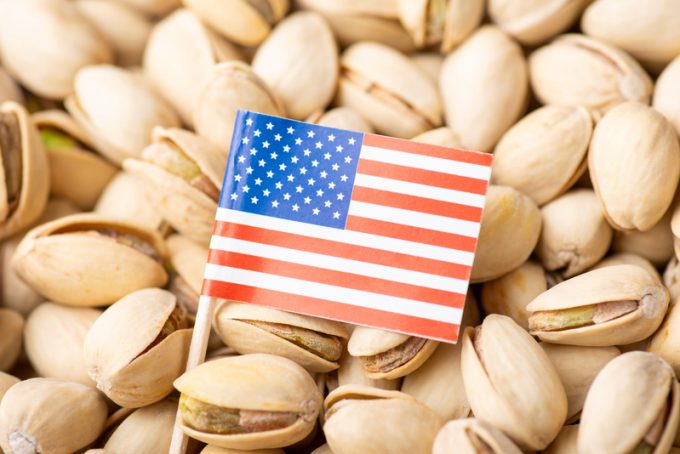
Even a one-cent increase in transport costs could push US agricultural exports out of global markets, shippers have warned, amid US proposals targeting Chinese-built ships and seeking to revive domestic shipbuilding.
Speaking at TPM in Long Beach, Agriculture Transportation Coalition (AgTC) executive director Peter Friedmann said policymakers often underestimated how sensitive commodity exporters were to even the smallest increases in logistics costs.
Using pistachios as an example, Mr Friedmann said the global price was about $1.17 per pound, leaving exporters little room to absorb higher shipping costs.
“In global commerce, one thing we know… we can’t be off the global price even a cent on our commodities going out,” he said. “If transportation builds up and puts us over, we’re out of the market.”
Mr Friedmann said proposals in Washington aimed at rebuilding US shipbuilding capacity and restricting the use of Chinese-built vessels could have unintended consequences for exporters reliant on globally competitive freight rates.
AgTC had analysed the potential impact of such measures on several commodities shipped by its members, including pistachios, hay, and forestry products.
“When we were talking to US trade representatives and people on Capitol Hill, they said a penny and a half – what difference does that make?” he said.
“It means you’re completely out of the market. These are commodities.”
Commodity exporters operate in markets where buyers can easily source equivalent products elsewhere, he added.
“There is nothing we produce in agriculture or forest products in the United States that cannot be sourced somewhere else in the world.”
As a result, exporters are highly sensitive to cost increases across the supply chain, particularly in ocean transport.
Mr Friedmann said AgTC had presented its analysis to lawmakers to demonstrate the potential impact of shipping policy on export competitiveness.
“The additional cost didn’t seem like very much – a couple of pennies here, a couple of pennies there,” he said. “But we are exporting commodities. You cannot be above the price in the commodity market.”
For uninterrupted access, sign in or sign up to The Daily News, Premium or The Loadstar Enterprise Plan.

Comment on this article