Maersk fined $1.9m for unfair D&D fees, with more carriers in the firing line
It has been a busy fortnight for the US Federal Maritime Commission (FMC), having slapped ...


HON: DEALS ON THE MENUEXPD: NEW RECORD XPO: THE REBOUNDCAT: PAYOUT UPDHL: LIGHTHOUSEMAERSK: ANOTHER UPGRADEFWRD: HEALTHY CORRECTION R: RYDER CEO SAYS R: AMAZON LTL ANNOUNCEMENTPLD: EV INFRASTRUCTURE PUSHDHL: RAMPING UP 'NEW ENERGY LOGISTICS' GXO: NEW WINAMZN: LTL SERVICE UPDATEGM: ENERGY PROVIDER MODEL
HON: DEALS ON THE MENUEXPD: NEW RECORD XPO: THE REBOUNDCAT: PAYOUT UPDHL: LIGHTHOUSEMAERSK: ANOTHER UPGRADEFWRD: HEALTHY CORRECTION R: RYDER CEO SAYS R: AMAZON LTL ANNOUNCEMENTPLD: EV INFRASTRUCTURE PUSHDHL: RAMPING UP 'NEW ENERGY LOGISTICS' GXO: NEW WINAMZN: LTL SERVICE UPDATEGM: ENERGY PROVIDER MODEL
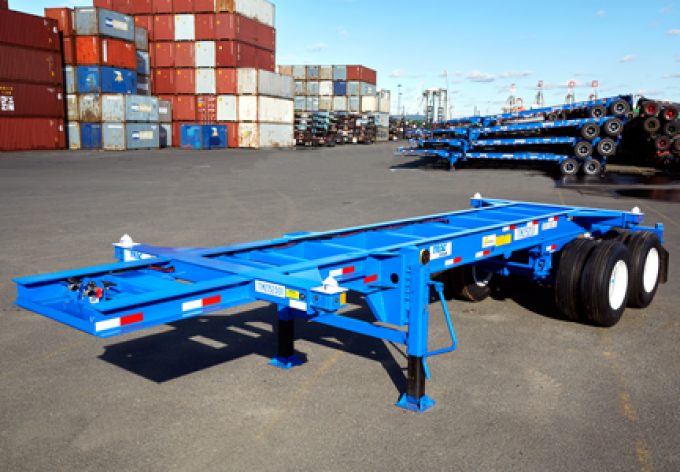
Fines and a rule change are likely after the US Federal Maritime Commission (FMC) launched an investigation into container line efforts to restrict hauliers and shippers from choosing their own chassis providers.
The regulator announced it would be assessing whether carriers had continued to “unjustly or unreasonably restrict” their customers’ ability to use a chosen chassis provider, following claims the lines were ignoring a 2024 FMC cease-and-desist order concerning such practices.
One regulatory source told The Loadstar: “The FMC basically had said ‘cease and desist this practice’ – and the carriers, being the carriers, of course, kept doing it.
“So now the FMC is saying, ‘okay, we’re opening an investigation into this, and want to see how endemic and systemic this all is, and take it beyond that one case and the scope of that one case – carriers don’t stop doing anything until they absolutely have to.”
Persistent reports suggest carrier willingness to ignore the cease-and-desist order is widespread, with the those The Loadstar spoke to believing that once this was shown to be the case during the investigation,a formal rule change would follow.
However, the regulatory source warned any such rule change would not be “an overnight fix” of the problem, with the investigation’s first stage – a “lengthy procedure” – likely to take two to three years.
“I wouldn’t be surprised if after the investigation they [FMC] found them [carriers] guilty and fined them, although that would h be a drop in the ocean, as they have billions of dollars,” added the source.
Noting that the FMC had authority to initiate this change without going through Congress, the source pointed out that there was a recent precedent of such rule-making efforts being upended in court.
Last year, the Court of Appeals handed back to carriers broad discretion on invoicing, by revoking a rule that limited their billing authority to just parties directly contracted with the carrier for ocean transport, or the consignee listed on the bill of lading.
“If the FMC is ambiguous or doesn’t do something properly – as was seen with last year’s decision – it will be overturned in court, until the commission is able to rework it to a point where it makes sense,” the regulatory source added.
While chassis are essential for US truckers moving containers between ports, rail yards, container depots, and for delivery, they are often in short supply, leaving them unable to collect boxes and generating high demurrage fees.
The FMC said: “The commission seeks to determine whether ocean common carriers are using practices that directly or indirectly deprive truckers and shippers from negotiating and dealing with chassis providers.”
It said it would be seeking “information from shippers, motor carriers, other transportation service providers, and the public, identifying restrictions, practices, or tactics of any kind imposed by ocean common carriers on chassis provider selections, or negotiations for chassis usage”.
For uninterrupted access, sign in or sign up to The Daily News, Premium or The Loadstar Enterprise Plan.

Comment on this article