JNPA grants ground rent relief as truck shortages clog box flows
Indian shippers using container terminals at Nhava Port (JNPA) have won some respite from penalties ...


HON: DEALS ON THE MENUEXPD: NEW RECORD XPO: THE REBOUNDCAT: PAYOUT UPDHL: LIGHTHOUSEMAERSK: ANOTHER UPGRADEFWRD: HEALTHY CORRECTION R: RYDER CEO SAYS R: AMAZON LTL ANNOUNCEMENTPLD: EV INFRASTRUCTURE PUSHDHL: RAMPING UP 'NEW ENERGY LOGISTICS' GXO: NEW WINAMZN: LTL SERVICE UPDATEGM: ENERGY PROVIDER MODEL
HON: DEALS ON THE MENUEXPD: NEW RECORD XPO: THE REBOUNDCAT: PAYOUT UPDHL: LIGHTHOUSEMAERSK: ANOTHER UPGRADEFWRD: HEALTHY CORRECTION R: RYDER CEO SAYS R: AMAZON LTL ANNOUNCEMENTPLD: EV INFRASTRUCTURE PUSHDHL: RAMPING UP 'NEW ENERGY LOGISTICS' GXO: NEW WINAMZN: LTL SERVICE UPDATEGM: ENERGY PROVIDER MODEL
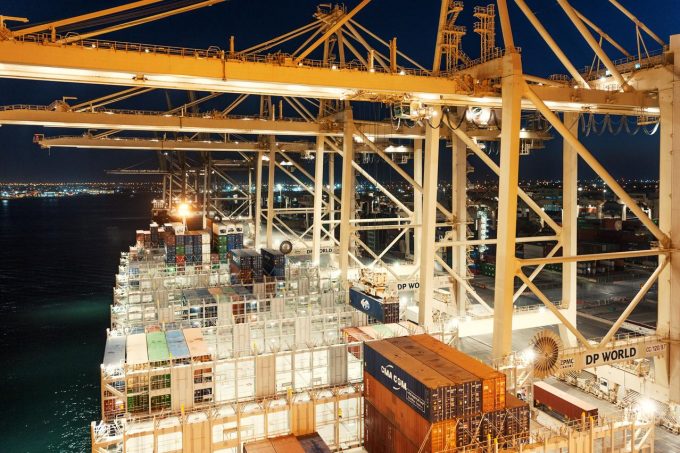
Ocean freight rates from India to Jebel Ali have weakened dramatically in the past few months amid growing overcapacity pressures, updates from industry sources show.
The regional tradelane has traditionally been dominated by NVOs, controlling about 50% of available space in the market.
With the trade heavily oversupplied, average booking rates from Nhava Sheva (JNPA) to Jebel Ali are now down to negative territory, with NVOs accepting cargo at rates as low as $5 per teu. For 40ft bookings, they are in the range of $30, according to sources.
While rate quotes from mainline carriers are slightly higher, these operators have been struggling to fill their space consistently.
“The rate mayhem is a combined effect of both overcapacity and a lack of corresponding trade expansion,” one industry source told The Loadstar.
“NVOs are recklessly dropping rates to pick up cargo,” the source added.
The yawning gap between supply and demand is evident, as the rapid downward rate correction comes despite India-Middle East cargo volumes remaining steady, updated trade data reveals.
To explain, Indian containerised exports to the Middle East in the first three quarters of this year were in the region of 1.4m teu, with a monthly average of between 150,000 teu and 160,000 teu. Volumes from India to the Middle East last month were some 164,000 teu, up from 162,000 teu, according to data.
There has been a wave of capacity injections into the trade from regional or feeder lines trying to exploit the Red Sea disruption, as mainliners opted to keep away because of the security risk.
Sources believe that, as rates for Indian loads to Jebel Ali tumble, other shipping incomes like terminal handling charges and multiple documentation fees remain a revenue lifeline for NVOs.
On the other hand, while willing to negotiate on a case-by-case basis, available date indicates that major lines have a higher “rate bar” for cargo from Nhava Sheva of $400teu and $500feu for Sohar; $700teu and $950feu for Umm Qasr; $750teu and $1,000feu for Jeddah and $325teu and $425feu for Dammam.
Feeder lines continue to crowd the India-Gulf market, the latest push coming from Sharjah-based Gulftainer. The regional carrier has announced the launch of a direct service linking West India, the UAE, Oman and Qatar at the end of the month.
The weekly India-Gulf Express (GIX) offers a port rotation of Mundra-Nhava Sheva-Sohar-Sharjah-Jebel Ali-Hamad-Mundra.
Gulftainer said: “This new service is designed to meet the growing demand for agile and dependable shipping solutions in the region, offering full visibility, operational reliability and competitive transit times.”
For uninterrupted access, sign in or sign up to The Daily News, Premium or The Loadstar Enterprise Plan.

Comment on this article
Frederik deCockBuning
November 11, 2025 at 3:25 pmStill surprised that NVO’s dominate control of cargo on specific tradelanes. the container belongs to the carrier and should be controlled by the Liner.