The STB decision keeps the UP-NS mega-merger alive, but barely breathing
STB accepts the UP-NS application, then immediately parks it – implications


MAERSK: NEARING ONE-YEAR HIGHFDX: FEDEX FREIGHT UPSIDEBA: TIME TO DELIVERFDX: EARNINGS RISKDSV: UPSIDEKNX: TIME TO SAY GOODBYEODFL: SET THE BAR HIGHBA: PIPELINEBA: SUPPLY CHAIN TESTAMZN: AI WAVESDHL: THE FRENCH CONNECTIONJBHT: MIND THE SPREADMAERSK: GAUGE THE UPSIDE
MAERSK: NEARING ONE-YEAR HIGHFDX: FEDEX FREIGHT UPSIDEBA: TIME TO DELIVERFDX: EARNINGS RISKDSV: UPSIDEKNX: TIME TO SAY GOODBYEODFL: SET THE BAR HIGHBA: PIPELINEBA: SUPPLY CHAIN TESTAMZN: AI WAVESDHL: THE FRENCH CONNECTIONJBHT: MIND THE SPREADMAERSK: GAUGE THE UPSIDE
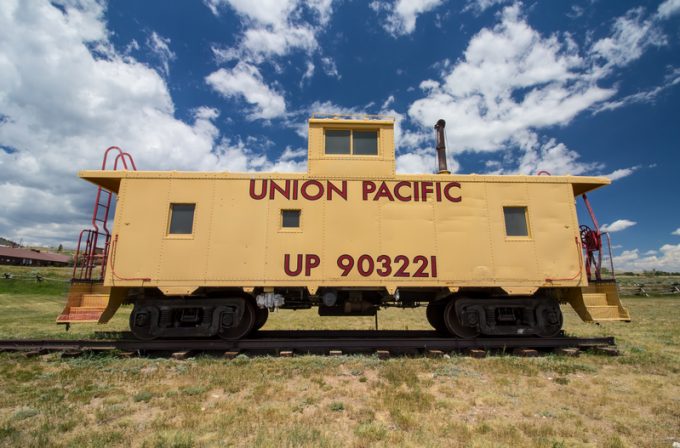
The proposed $72bn marriage of Union Pacific (UP) and Norfolk Southern (NS) is facing growing opposition that not only includes labour organisations and shipper groups, but also the other Class I carriers.
Among these, BNSF and Canadian Pacific Kansas City (CPKC) have been the most vocal opponents of the potential sea-change in the North American rail market.
Predictably, labour organisations have come out against the merger plan, emphasising concerns about safety in light of the industry’s track record, especially UP’s.
“Publicly available data from recent years reveals UP leads the industry in accidents, incidents, injuries and fatalities,” said the Sheet Metal, Air, Rail and Transportation (SMART) union. “This trend reflects a broader corporate culture that, in our view, prioritises aggressive operating ratios over worker and public safety.”
And the Transport Workers Union warned of ‘catastrophic consequences’, president John Samuelson claimed: “They [UP] are not to be trusted by railroad workers nationwide, and the TWU will fight any attempt to ram through a merger that Wall Street might like, but is bad for railroad workers and the safety of everyone.”
Beyond the safety aspect, SMART argued that the UP-NS merger would lead to a duopoly resulting in higher freight costs, fewer service options and less competition – an argument that chimes with shipper interest groups.
“Generally shippers oppose continued consolidation in the rail industry, based on past experiences resulting in increased rates, higher fees, and unreliable service,” said Nacy O’Liddy, executive director of the National Industrial Transportation League.
Scott Jensen, a spokesman for the American Chemistry Council, pointed out that the four largest rail carriers in the US already controlled over 90% of the nation’s rail traffic, and warned: “A merger between two of these railroads threatens to leave American manufacturers, farmers and energy producers with even fewer options to ship by rail.”
Meanwhile, the stance of the other Class I carriers has been surprisingly unanimous in scepticism, if not outright rejection, of mergers to create transcontinental rail giants. Their comments range from disinterest to concerns about disruptive repercussions from such hook-ups.
CPKC said on Tuesday it was not interested in a mega-merger – somewhat ironical, given that the company was created through the merger of Canadian Pacific and Kansas City Rail in 2023.
It argues that the establishment of a transcontinental behemoth would not deliver significant benefits to the market, as the existing network of the six large major railways can offer “near-seamless transportation services”.
Rather than pursue a merger, carriers can up their services through alliances and joint activities, CPKC management argued.
BNSF’s response came on Friday, when it announced a number of coast-to-coast intermodal services in tandem with CSX. It subsequently emerged that Warren Buffett, whose Berkshire Hathaway firm controls BNSF, had met in early August with CSX president and CEO Joseph Hinrichs and told him that he would not make a bid for the eastern rail carrier, as they could benefit more from some co-operation than from a merger.
Management of Canadian Rail has signalled that it would favour additional partnerships over mergers.
CPKC actually went so far as to warn of potential negative repercussions from ‘a wedding of giants’, a stance more associated with shippers.
“Any major rail merger poses unique and unprecedented risks to customers, rail employees and the broader supply chain,” it said.
CEO Keith Creel explained: “We believe a transcontinental merger would trigger permanent restructuring of the industry and result in a disproportionately large railway whose size and scope would require others to take action.
“This will likely result in an unnecessary wave of railway mergers that today is not the best way to support American businesses nor the public interest, and has the potential to create more issues than it solves.”
For uninterrupted access, sign in or sign up to The Daily News, Premium or The Loadstar Enterprise Plan.
Comment on this article