Base case: current Hapag-Zim deal falls at Golden Share hurdle
Israel holds the key


HLAG: EUROGATE DEALAAPL: SUPPLY CHAIN HURDLESVW: DECISION TIME VW: UPDATE XOM: EARNING GROWTHWTC: REBOUND ON WEAKNESSCHRW: BENCHMARKINGDHL: UPGRADEDEXPD: QUOTE OF THE WEEKVW: MASSIVE JOB CUTSFDXF: FIRST TRADING UPDATE EXPD: MORE BULLISH THAN BEARISHFWRD: HUNTING FOR VALUEFDX: CAPITAL STRUCTURE ADJUSTMENT
HLAG: EUROGATE DEALAAPL: SUPPLY CHAIN HURDLESVW: DECISION TIME VW: UPDATE XOM: EARNING GROWTHWTC: REBOUND ON WEAKNESSCHRW: BENCHMARKINGDHL: UPGRADEDEXPD: QUOTE OF THE WEEKVW: MASSIVE JOB CUTSFDXF: FIRST TRADING UPDATE EXPD: MORE BULLISH THAN BEARISHFWRD: HUNTING FOR VALUEFDX: CAPITAL STRUCTURE ADJUSTMENT
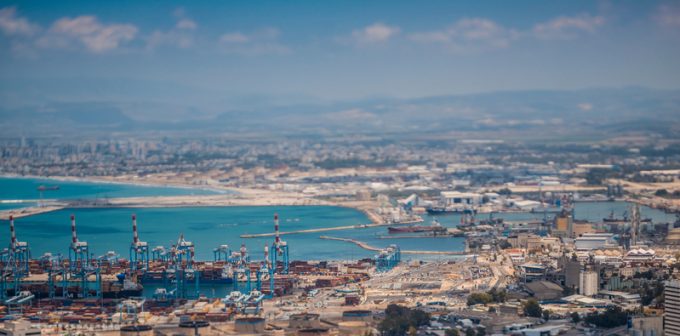
Yemen’s Iran-backed Houthi militia is attempting to impose a naval blockade of Israel’s port of Haifa in an apparent reorientation of its campaign against commercial shipping.
US president Donald Trump said this month the group had agreed to suspend its near 18-month assault on US ships transiting the Red Sea, along with speculation that further ground may be ceded to vessels not affiliated with Israel.
This morning, the Houthis stated: “A maritime navigation prohibition to and from the port of Haifa has been officially imposed.”
Any violation would result in carriers and their fleets being listed on the Houthi sanctions list, added the group, prohibited from transiting the Red Sea, Bab al-Mandeb Strait, Gulf of Aden, Arabian Sea, and Indian Ocean, rendering them targets for attack “anywhere”.
Claiming their actions were a response to Israel’s actions in Gaza, the Houthis said their aim was to “exert pressure on the usurping Israeli entity to cease its aggression”.
What remains unclear is the extent to which they are still targeting vessels in the Red Sea and Suez Canal, the Egyptian government particularly keen to see a resumption of transits through the canal and the associated toll fees. The canal authority has offered discounts for returning containerships.
The Loadstar has yet to receive requested information on whether the port blockade marks an end to Houthi attacks on vessels in the Red Sea.
Such a shift could upend carriers’ outlook for the year, with expectations that it would prompt a wave of capacity hitting the market with services no longer having to route around the Cape of Good Hope, reducing vessel numbers needed to meet global demand.
For Israeli carrier Zim, such a decision could prove catastrophic, as it would likely remain subject to Houthi sanctions, necessitating the continuation of Cape transits for its vessels.
As CEO Eli Glickman told The Loadstar yesterday, Zim would face a double hit to its earnings, competing against carriers using Suez transits, as well as the surging volume availability.
He said: “They can push rates down while our costs and time increase, and there will probably also be high supply with vessels going back to the market.”
With a shortage of detail on the effect of a blockade of Haifa means on Red Sea services, The Loadstar has struggled to get confirmation of companies on the Houthi sanctions list – the search function on the group’s web portal not working.
eeSea said the blockade of Israel’s primary maritime gateway would “further complicate” global shipping, adding: “Our inbound vessel data indicates Haifa is scheduled to receive no fewer than 85 vessels in the next 30 days. This development introduces additional complexity to an already precarious geopolitical environment.”
For uninterrupted access, sign in or sign up to The Daily News, Premium or The Loadstar Enterprise Plan.
Comment on this article